What we’re watching: Weekly disaster update, January 26
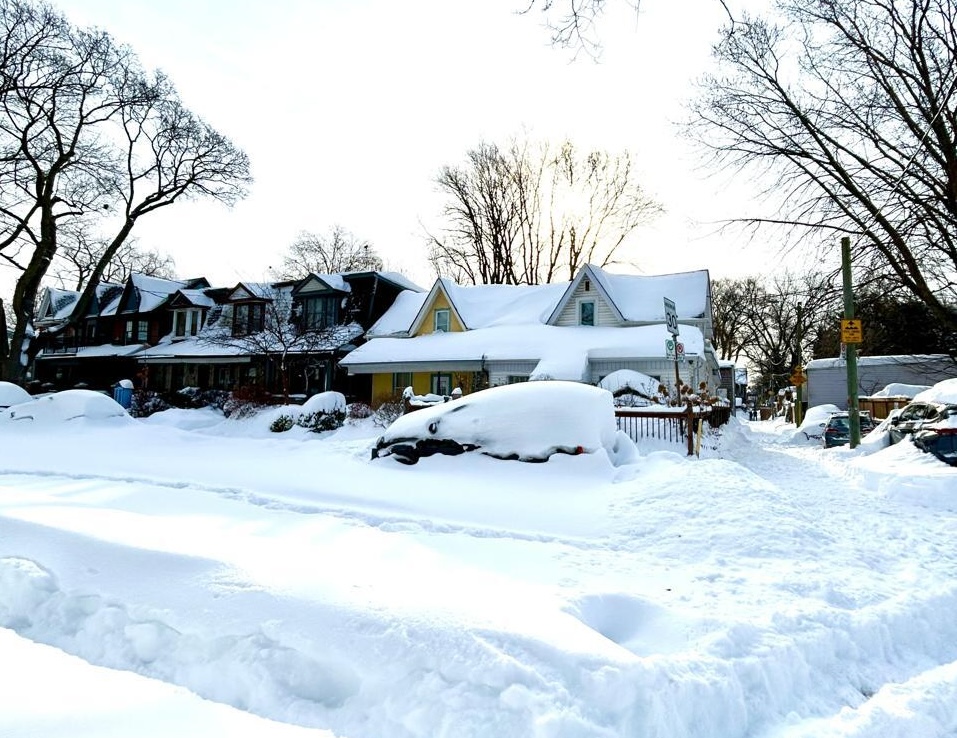
Here’s what we’re watching for the week of Jan. 26, 2026.
New or Emerging Disasters
Winter Storm Fern – United States: From Texas to Maine, 33 states were affected by Winter Storm Fern, an enormous, catastrophic storm system that left 860,000 people without power in below–freezing temperatures and caused at least 18 deaths between Jan. 22 and Jan. 25.
Parts of the Northeast recorded upwards of 24 inches of snow, while ice caused significant damage to states in the South. Schools all over the country canceled classes, and tens of thousands of flights were canceled.
Landslide – Indonesia: At least 25 people died, and 72 remain missing after a landslide buried a village in Java, Indonesia on Jan. 24. Rescuers are using farm tools, drones, K9 units and their bare hands to search for survivors because the ground is too unstable for heavy machinery, with mud piles rising as high as 16 feet.
In addition to prolonged rainfall, activists and officials in the region blame environmental degradation caused by years of land conversion for development in violation of land-use regulations.
Landslide – New Zealand: Heavy rainfall caused a massive landslide to engulf a popular beach campground at the foot of Mount Manganui in New Zealand, killing six people on Jan. 22. The landslide occurred after record–breaking rainfall caused the wettest 24-hour period in the region since 1910.
Previous/Ongoing Disasters
Wildfires – Chile: At least 20 people died, and more than 600 homes were destroyed during the recent outbreak of wildfires in Central and Southern Chile. The wildfire season is particularly severe this year in Chile due to years of severe drought and shifting winds, causing more land to burn with increased intensity. The blazes have burned 93,000 acres so far.
Flooding – Mozambique, Zimbabwe, South Africa: Flooding in southern Africa has caused over 100 deaths this past month, destroying thousands of homes and damaging bridges, roads and other infrastructure. Now, residents are being warned that rising rivers are causing a crocodile risk, as villages become inundated with water. At least three people have died from crocodiles drifting through floodwaters.
The floods have also exacerbated a larger humanitarian crisis in the region, affecting over 700,000 people and forcing at least 100,000 into temporary shelters. The risk of hunger and water-borne diseases such as cholera is high.
Complex Humanitarian Emergencies – Democratic Republic of Congo
Many places worldwide are experiencing conflict, climate change, drought, famine, economic challenges and other conditions which, when combined, create complex humanitarian emergencies (CHEs). CDP maintains complete profiles on several CHEs that are highlighted here weekly to build awareness and philanthropic response.
The Democratic Republic of the Congo enters 2026 as one of the world’s largest and most complex humanitarian crises, with tens of millions of people facing acute food insecurity, repeated displacement, disease outbreaks and severely underfunded basic services. Conflict in the east continues to drive both internal and cross-border displacement.
Key facts:
- Roughly 27 million people in DRC are in Crisis-level food insecurity (IPC Phase 3+) heading into 2026, including close to 4 million in Emergency (IPC Phase 4), the highest levels ever recorded in the country.
- A new report by UNICEF analyzing data from 2022-2025 shows a nationwide crisis of sexual violence against children in every province, regardless of conflict, with cases rising sharply year after year. The problem has become systemic and endemic. “In some provinces, every week we document new cases of children being violated on their way to school or when fetching water,” a protection monitor in eastern DRC told researchers in February 2025. “It never stops.”
- ACAPS reports that limited water, sanitation and hygiene (WASH) in congested transit and displacement sites, combined with inadequate health infrastructure and surveillance, are driving recurrent outbreaks of cholera and mpox.
- UNICEF’s three-month emergency response plan for eastern DRC required about 56.9 million USD but had secured only 17.9 million, leaving a shortfall of roughly 39 million USD.
What We’re Reading
- A Year of Harms: The Impact of US Foreign Aid Cuts on Women and Girls in Humanitarian Crises – Women’s Refuge Commission
- The world is in water bankruptcy, UN scientists report, here’s what that means – The Conversation
- Haiti in depth: As gang violence breeds hunger, Haitians seek local solutions – The New Humanitarian
A moment of hope… Esther Rose Louis, a Florida-based doula, has become a leader in preparing pregnant women for growing health risks linked to climate change. Through her pilot program, the Doula Climate Health Outreach Team or “Doula C-Hot,” she trains other doulas to recognize how extreme heat, hurricanes, flooding and power outages can endanger pregnant clients—risks that disproportionately affect Black and low-income communities.
The program teaches practical strategies such as creating cooling plans, identifying safe evacuation routes, assembling emergency kits and advocating for clients whose prenatal care may be disrupted by climate-driven events. Louis and other experts emphasize that climate-aware birth work is becoming essential as environmental hazards intensify.

Gina DeLuca
Content Development Associate