What we’re watching: Weekly disaster update, February 2
Here’s what we’re watching for the week of Feb. 02, 2026.
New or Emerging Disasters
Landslide – Sicily: Cyclone Harry made landfall on the coast of southern Italy and Sicily on Jan. 20, bringing dangerous storm surges of up to 27 feet, severe flooding and landslides. Beach resorts were washed away when roads and coastal defenses were destroyed in the storm.
A landslide in Niscemi, Sicily, forced the evacuation of 1,500 people due to the threat of land disintegration beneath the town amid continued rain and instability. The landslide has created a 2.5-mile-long fracture, and the chasm continues to widen, splitting the town. Officials fear the historic town could be cut off as the surrounding land collapses.
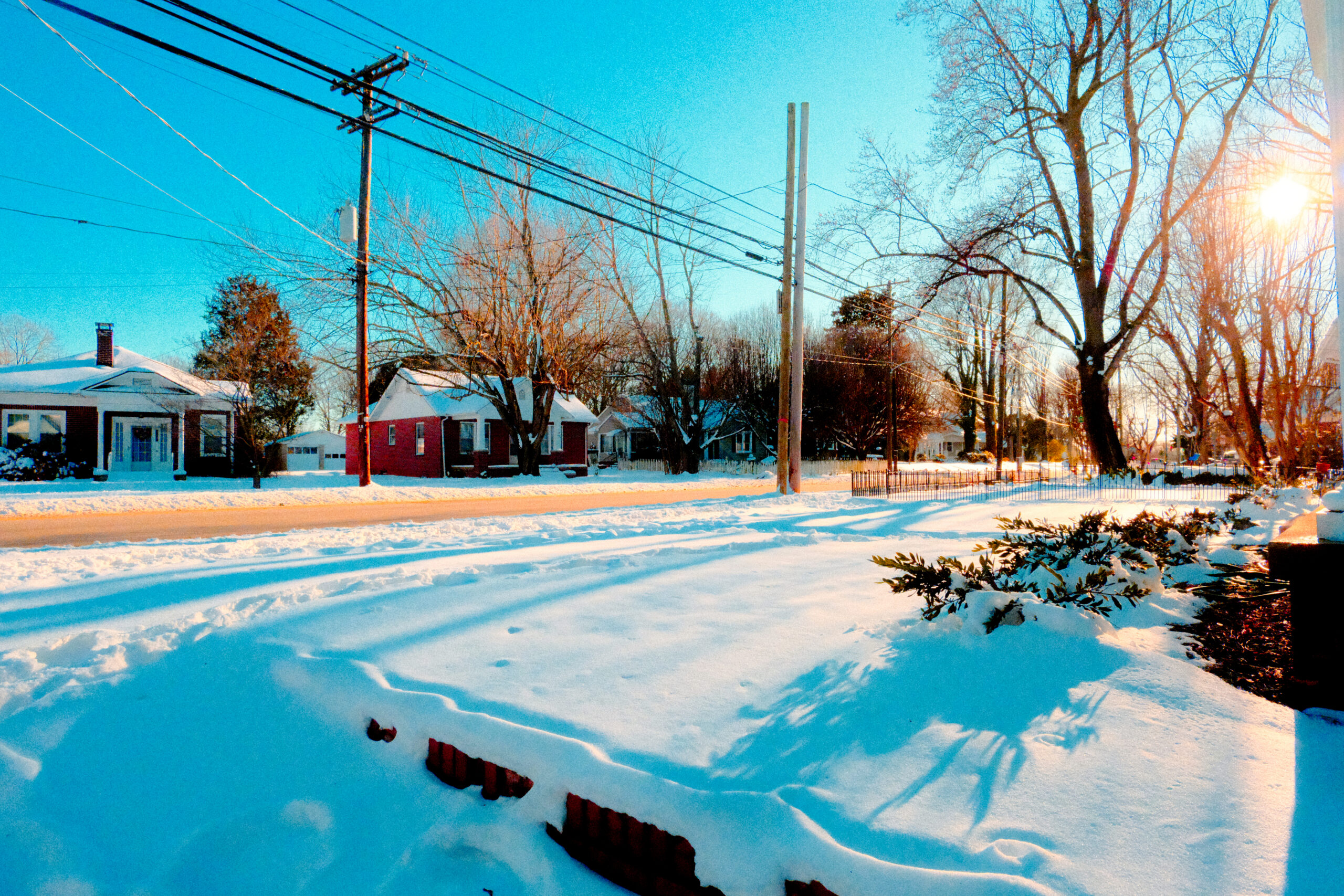
Bomb Cyclone – Southeastern U.S.: A rapid-intensifying winter storm brought subzero temperatures to several Southeastern states as well as snowfall totals between eight and 14 inches, breaking decades-long records in North Carolina.
Power outages affected more than 197,000 customers, and as many as 240 million people were placed under cold-weather advisories. Snow caused over 1,300 car accidents across the Southeast. At least three people died from the storm. The bomb cyclone came on the heels of Winter Storm Fern, which caused at least 100 fatalities across the U.S.
Previous/Ongoing Disasters
Landslide – Indonesia: A massive landslide on Jan. 24 in Java caused the deaths of at least 48 people, and more than 30 are still missing. About 2,100 rescue and recovery personnel are still working to recover bodies using farm tools, drones, K9 units and their bare hands because the ground is too unstable for heavy machinery, with mud piles rising as high as 16 feet.
Complex Humanitarian Emergencies – Haiti
Many places worldwide are experiencing conflict, climate change, drought, famine, economic challenges and other conditions which, when combined, create complex humanitarian emergencies (CHEs). CDP maintains complete profiles on several CHEs that are highlighted here weekly to build awareness and philanthropic response.
The humanitarian crisis in Haiti is characterized by ongoing gang violence, retaliatory violence by vigilante groups, mass displacement, climate shocks and scarce humanitarian aid. As of January 2026, gangs control 90% of Port-au-Prince.
- Across Haiti, only 10% of inpatient medical facilities remain operational after violent attacks and funding cuts.
- More than half the population (5.7 million people) face high levels of acute food insecurity due to the expansion of gang territory control and a disintegrating economy.
- An estimated 6.4 million people (about 54 percent of the population) are expected to need humanitarian assistance in 2026, up from around 6 million in 2025.
- In 2025, Haiti’s murder rate rose by 20% compared to 2024, with 8,100 murders recorded.
- By October 2025, situation reports recorded more than 1.4 million internally displaced people (IDPs), the highest figure ever tied to gang violence, representing roughly 12% of the population.
- Sexual violence, including collective rape, is used systematically as a weapon of war and social control during home invasions, checkpoints, and street attacks.
- UN Women reports that…”in makeshift camps, sexual violence – particularly rape – is used to control access to scarce humanitarian aid.”
- Gender based violence rose 34% in 2025 compared to the same period in 2024, with gangs identified as perpetrators in about 75% of reported cases.
- According to the UN, roughly 50% of gang members are minors, some as young as eight years old.
- More than 207,000 Haitians have been forcibly repatriated since January 2025.
The 2026 Humanitarian Response Plan requests $880 million USD to provide lifesaving humanitarian aid to 4.2 million people.
What We’re Reading
- Lack of snowfall threatens livestock and crop production in Afghanistan – AP News
- What Climate Change Means for Future of the Winter Olympics – TIME
- EPA’s new way of evaluating pollution rules hands deregulators a sledgehammer and license to ignore public health – The Conversation
A moment of hope… Canadian farmers in provinces like Manitoba and Saskatchewan are achieving record harvests of spring wheat and canola despite back-to-back seasons of flooding and drought.
Investments in sophisticated climate adaptation tools — including smart combines, high-tech seed drills and advanced drainage systems — have dramatically boosted crop yields compared with 30 years ago and are helping to keep grain prices affordable and supplies plentiful.

Gina DeLuca
Content Development Associate