Hurricanes, Typhoons and Cyclones
Tropical cyclones (also known as hurricanes and typhoons) pose significant global threats to life and property, bringing a variety of hazards, including storm surges, flooding, extreme winds and tornadoes. Funders can intervene to reduce harm to people and property, before, during and after storms.
What is a tropical cyclone?
- Hurricanes, typhoons and tropical cyclones are the same type of storm and are collectively known as “tropical cyclones.”*
- Increasing temperatures and large-scale droughts are causing stronger and more destructive tropical systems.**
- Improvement is needed in measuring storm strength.***
A tropical cyclone “is a rotating, organized system of clouds and thunderstorms that originates over tropical or subtropical waters and has a closed low-level circulation.”
Hurricanes, typhoons and cyclones are different names for the same hazard, which meteorologists worldwide officially recognize as “tropical cyclones.” These storm systems are called “cyclones” in the South Pacific and Indian Ocean, “typhoons” in the western North Pacific Ocean, and “hurricanes” in the Central and Eastern North Pacific as well as the Atlantic Ocean.
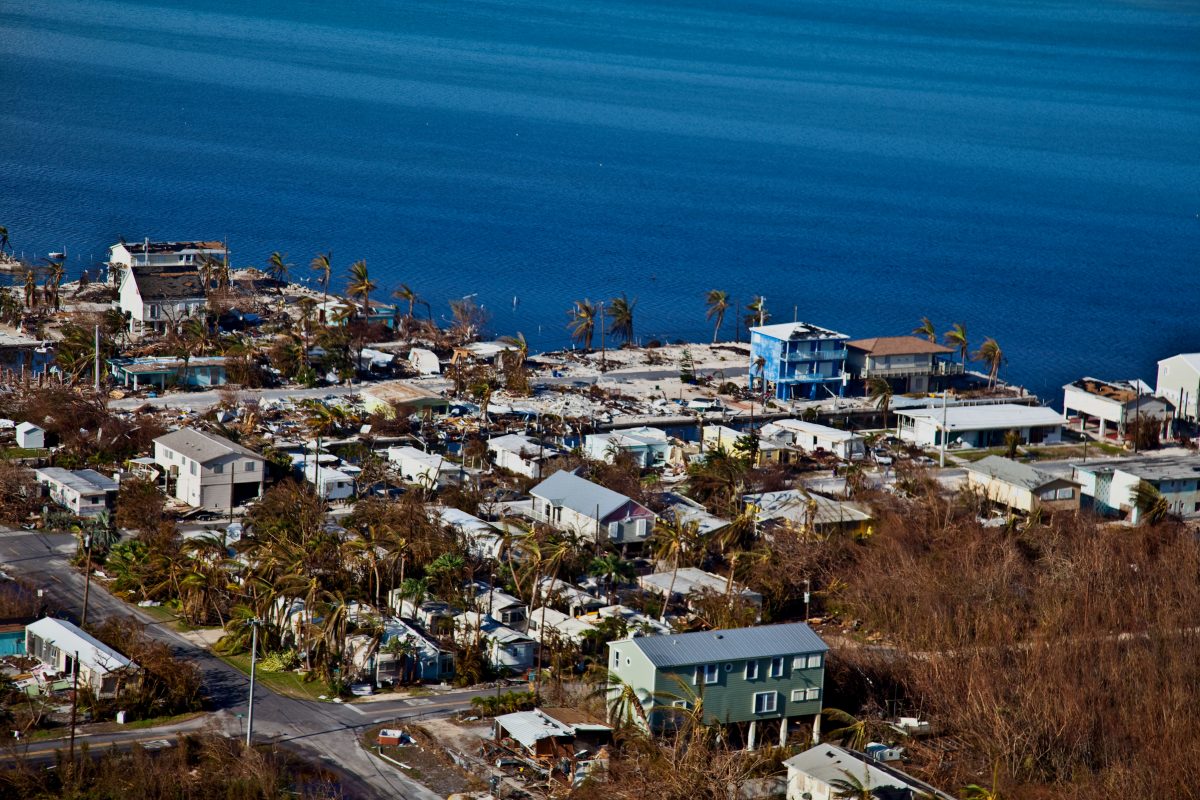
The Saffir-Simpson Hurricane Wind Scale measures the intensity of hurricanes using a one-to-five rating based on the storm’s maximum sustained wind speed. This video from NOAA shows how increasing winds cause more sustained damage. However, this scale does not consider the amount of rain or storm surge, which can significantly impact the damage level, even far inland. For example, the most significant impacts from Hurricane Helene in 2024 occurred 800 miles inland, including wind damage and extensive flooding.
When and where do tropical cyclones happen?
- Cyclones occur over warm water, at least 5° latitude from the equator. *
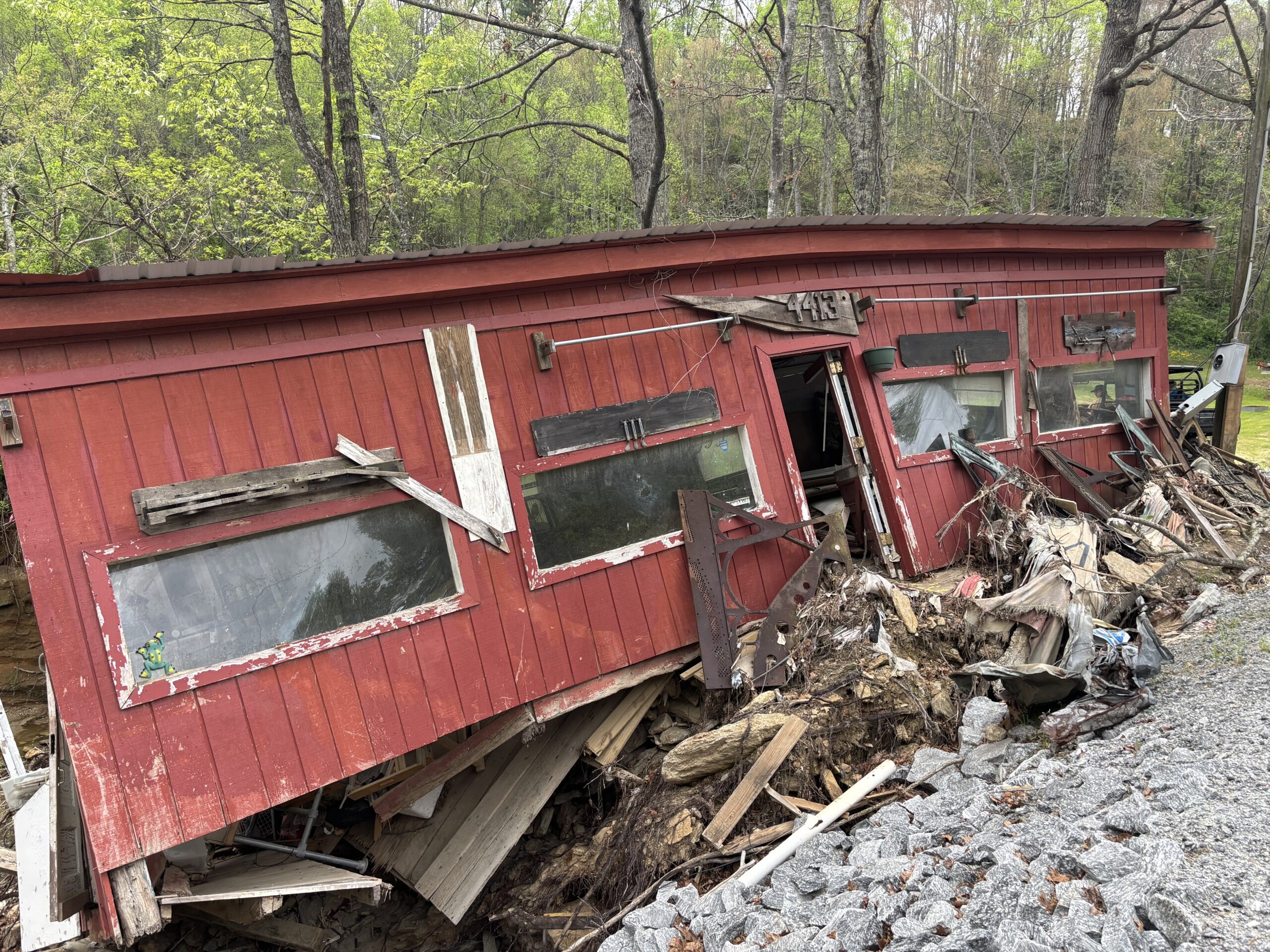
- While coastal areas are most at risk, damage from cyclones can reach far inland. **
- The location of tropical cyclones is changing, so new areas need to be prepared for the impact. ***
The seven main cyclone regions are located near warm ocean waters of at least 80°F. Cyclones usually form at least 300 miles or between 5° and 30° latitudes, either north or south of the equator. In May 2024, Cyclone IALY became the “most northerly tropical cyclone, forming at 4.7°S” and dissipating at 1.4°S.
Each cyclone region has a specific season, and at least one area is “in season” every month of the year.
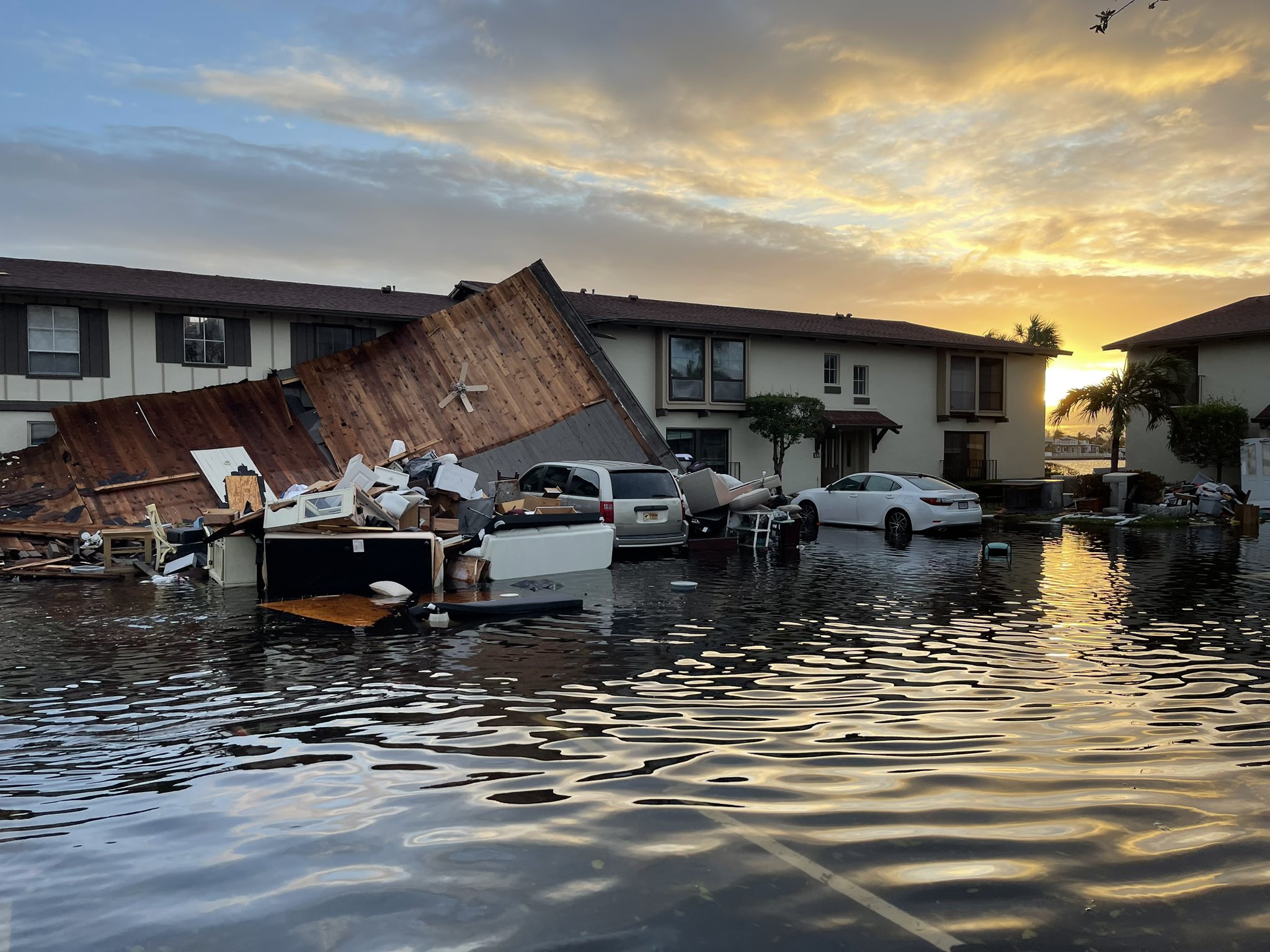
Due to climate change, ocean temperatures are increasing, which helps trigger the development of tropical cyclones. These warmer waters will cause storms to track to unusual places, and new communities across the globe will need to prepare for the associated risks.

- 20 cyclones enter the Philippine area of responsibility every year and 8-9 make landfall in the Philippines. This is more than anywhere else in the world. *
- 72% of tropical cyclones form in the Northern Hemisphere, while only 28% occur in the Southern Hemisphere. **
- 85 tropical storms form globally each year, and 45 of these intensify into tropical cyclones (hurricanes or typhoons). ***
Why does a tropical cyclone occur?
- Sea surface temperatures must be at least 80°F to fuel cyclones. *
- Oceans absorb 90% of the excess heat produced by global warming. **
- The 10 warmest years in the past 175 years occurred between 2015 and 2024. ***
Cyclones form when warm ocean waters, atmospheric instability, low wind shear and the Coriolis effect converge with a disturbance. As water evaporates, the warm air rises, begins to cool, and rotates; air pressure drops, and wind speeds increase. A tropical cyclone is declared when sustained winds reach 74 mph (119 km/h).
Warmer oceans, accelerated by climate change, fuel stronger, faster-developing storms. NOAA says this leads to rapid intensification, which occurs when a storm increases by 30 knots (35 miles per hour) within 24 hours. Hurricane Erin (2025) surged from a tropical storm to a Category 4 hurricane in a single day. These shifts leave little time for evacuation or preparation.
Who is affected by cyclones and how?
- About three billion people, or 40% of the world’s population, live within 62 miles of the coast. *
- Asia accounts for 60% of the world’s coastal population, but Africa is growing quickest. **
- Cyclones caused 38% of disaster-related deaths and 38% of economic losses over the last 50 years. ***
The world is urbanizing, and coastal cities are facing increasing levels of vulnerability to tropical cyclones due to sea-level rise, the loss and destruction of natural coastal defenses (such as mangrove forests), and increased storm intensity.
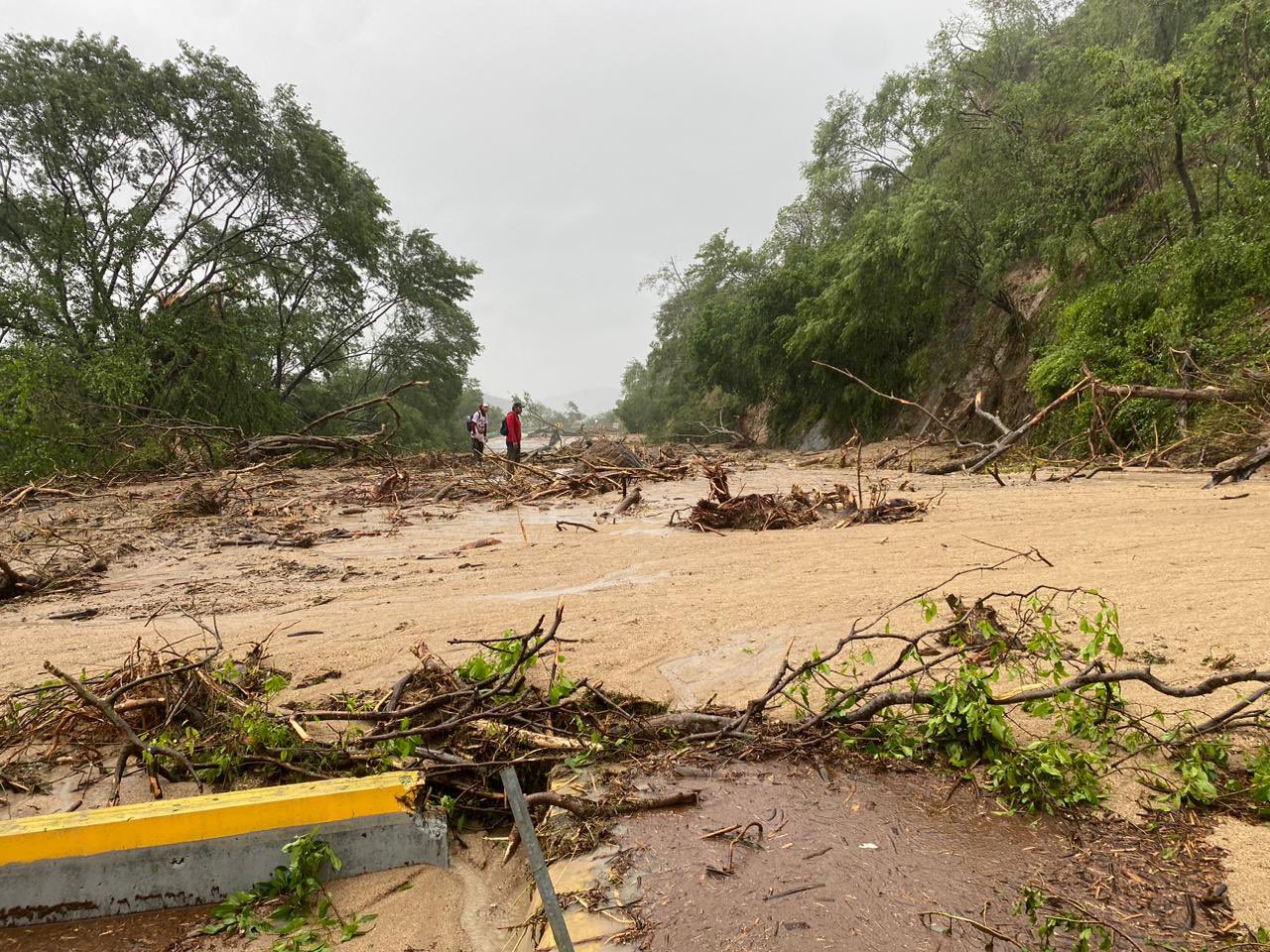
Vulnerability in coastal communities worldwide is compounded by socio-economic inequalities, urban development, inadequate infrastructure, lack of preparedness and poor communication. These all intensify the impacts of disasters, leading to significant economic losses and human displacement.
Tropical storms have changed due to climate change, resulting in new storm patterns that reach previously unexposed populations. As communities are exposed to risks and hazards that are outside their previous experiences, they often lack the knowledge on how to respond.
Cassandra R. Davis, Assistant Professor of Public Policy, UNC-Chapel Hill:
“Relief goes equally to two groups: people who can afford to live in safer areas and recover more quickly and more vulnerable people with fewer resources living in areas prone to disaster damage… The result is inequities for marginalized populations.”*
How can funders help?
- Fund efforts to rebuild housing with cyclone-resilient materials. *
- Support defenses like mangroves and dikes. **
- Help ensure messaging and early warning systems are accessible and inclusive. ***
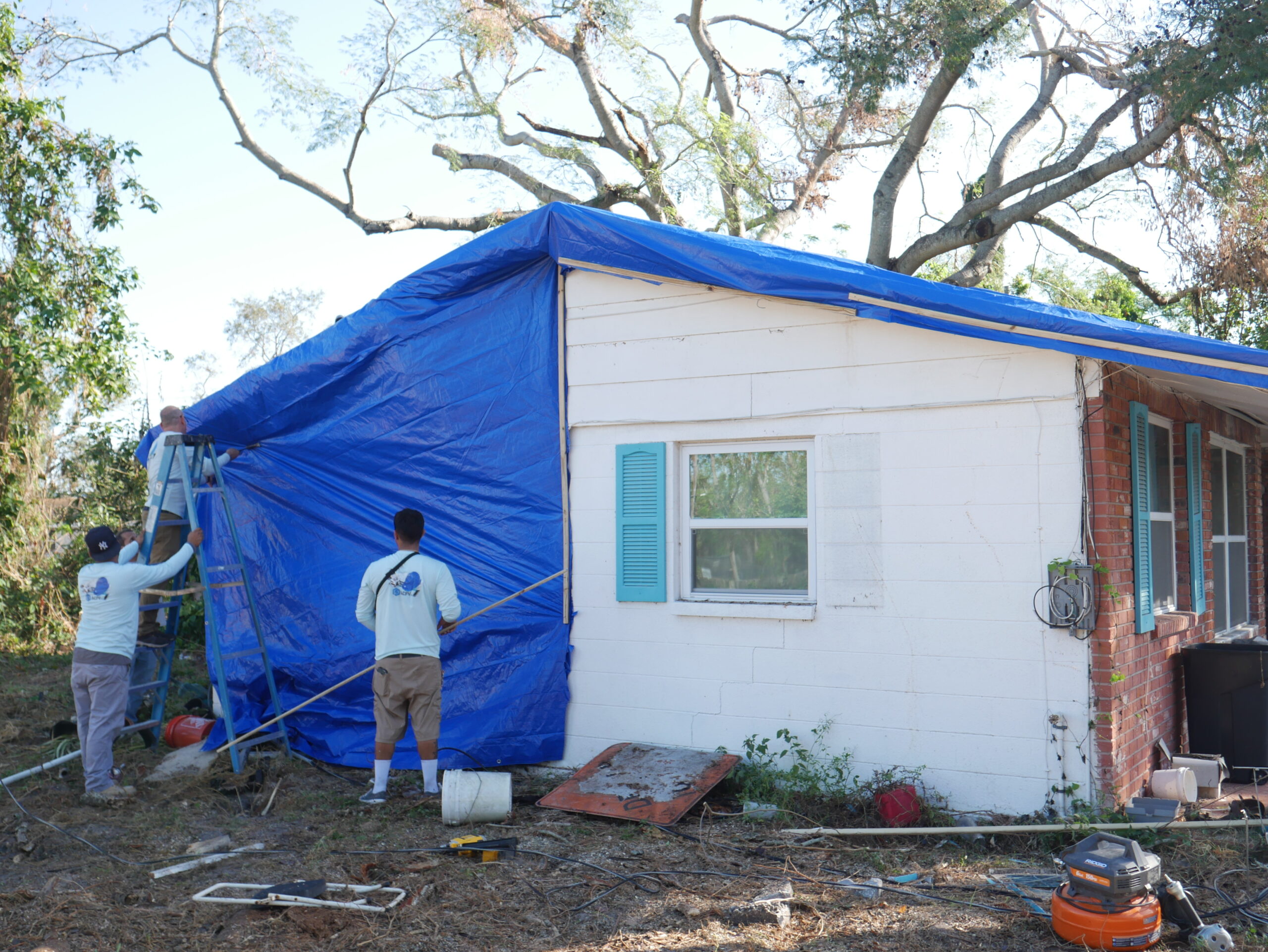
Funders can play a critical role in reducing cyclone impacts. Investments should span preparedness, mitigation, response and long-term recovery. Rebuilding efforts must include FORTIFIED housing, “a collection of construction upgrades that work together to protect your home from severe weather.”
Early warning systems and preparedness interventions must reach people who have never experienced a tropical cyclone.
Building up natural and man-made protections, like Bangladesh’s mangroves or Vietnam’s dikes, is vital as they can help prevent storm surge from impacting communities.
Messaging must be precise, prescriptive, readily available and accessible. It should be inclusive for people with disabilities, for example, press conferences providing warnings about a pending cyclone should include ASL translation, and be available in multiple languages.
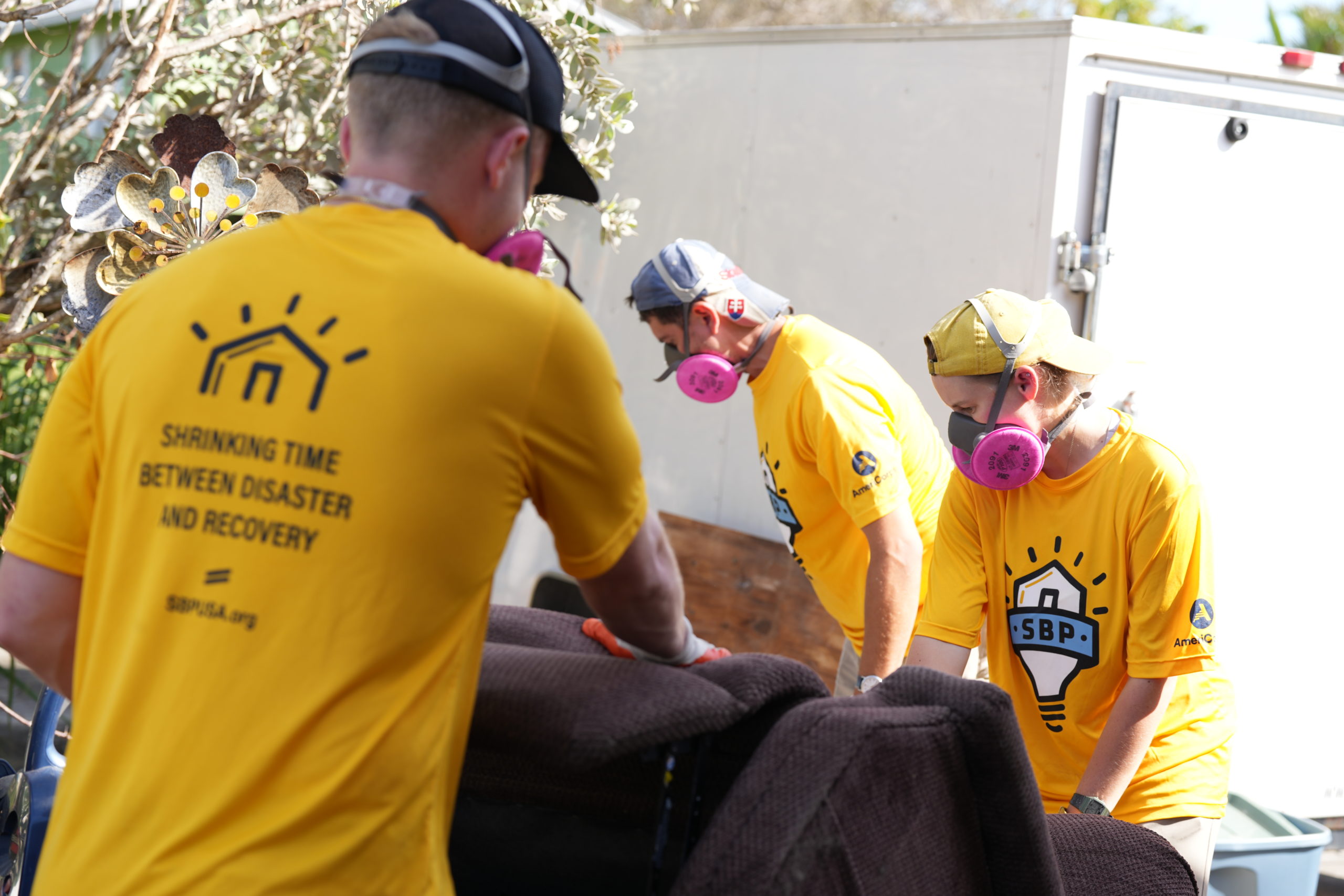
It is essential to support local organizations in advance to ensure they have the necessary supplies and resources to respond when a storm hits, as external organizations may not be able to enter the affected area immediately. Mutual aid organizations are one option funders can support, as they reach marginalized communities.
Learn more
Additional resources
Hurricane system monitoring sites
- US National Hurricane Center
- Japan Meteorological Agency
- India Meteorological Department
- Météo-France – La Reunion
- Indonesian Meteorological Department
- Fiji Meteorological Service
- Australian Bureau of Meteorology
- Meteorological Service of New Zealand Limited
Educational resources
- Ready.Gov: Hurricanes (U.S.)
- United Nations Office for Disaster Risk Reduction: Cyclone, Hurricanes and Typhoons
- World Health Organization: Tropical Cyclones
- Hurricane.gov (U.S.)
- World Meteorological Organization: Tropical Cyclones
Sources
What is a tropical cyclone?
When and where do tropical cyclones happen?
When and where do tropical cyclones happen? Impact Highlight
- *Philippine Atmospheric, Geophysical and Astronomical Service Administration
- ** World Meteorological Organization
- *** World Meteorological Organization
Why do tropical cyclones occur?
Who is affected by cyclones and how?
- *UN
- **Prevention Web
- ***WMO
- *Cassandra R. Davis, Assistant Professor of Public Policy, UNC-Chapel Hill quote
How funders can help
- *Fortified Homes
- **ResearchGate
- ***WMO
We welcome the republication of our content. Please credit the Center for Disaster Philanthropy.