2025
State of Disaster Philanthropy
This research includes data on philanthropic giving for disasters, insights from leaders in philanthropy and recommendations for funders.
This edition of State of Disaster Philanthropy reveals both the significant generosity from philanthropy to help disaster and crisis-affected communities and the need for more philanthropic support as disasters are growing in size, frequency and complexity.
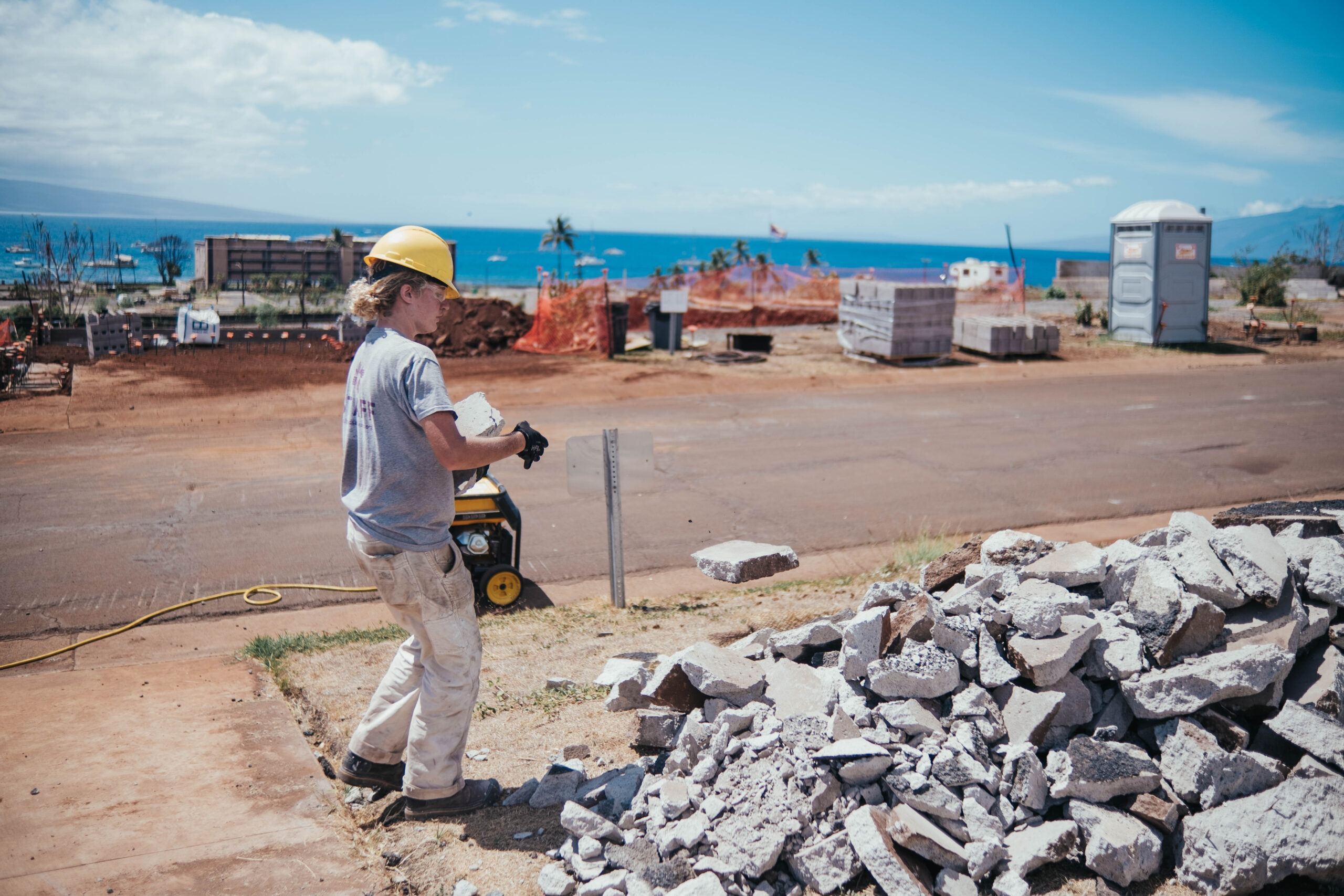 In August 2023, devastating wildfires burned in Hawaii. A year later, a volunteer with All Hands and Hearts puts on work gloves as she walks toward a pile of debris in Maui. Photo credit: All Hands and Hearts
 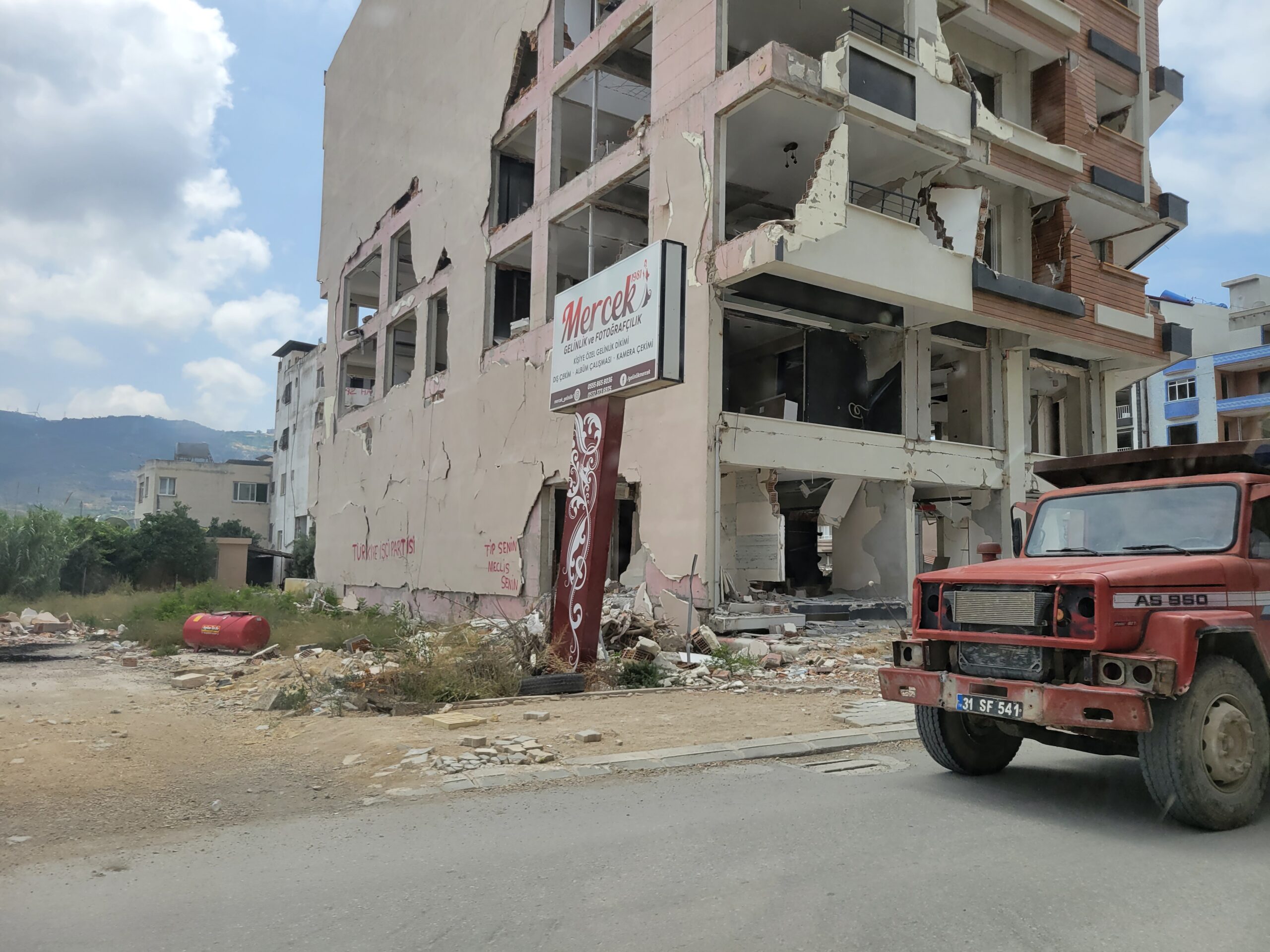 Powerful earthquakes devastated southern Turkey and northern Syria in February 2023. Months later, a sign for a store that featured wedding dresses and photography still stands in front of a heavily damaged building in Antakya, Turkey. Photo credit: CDP
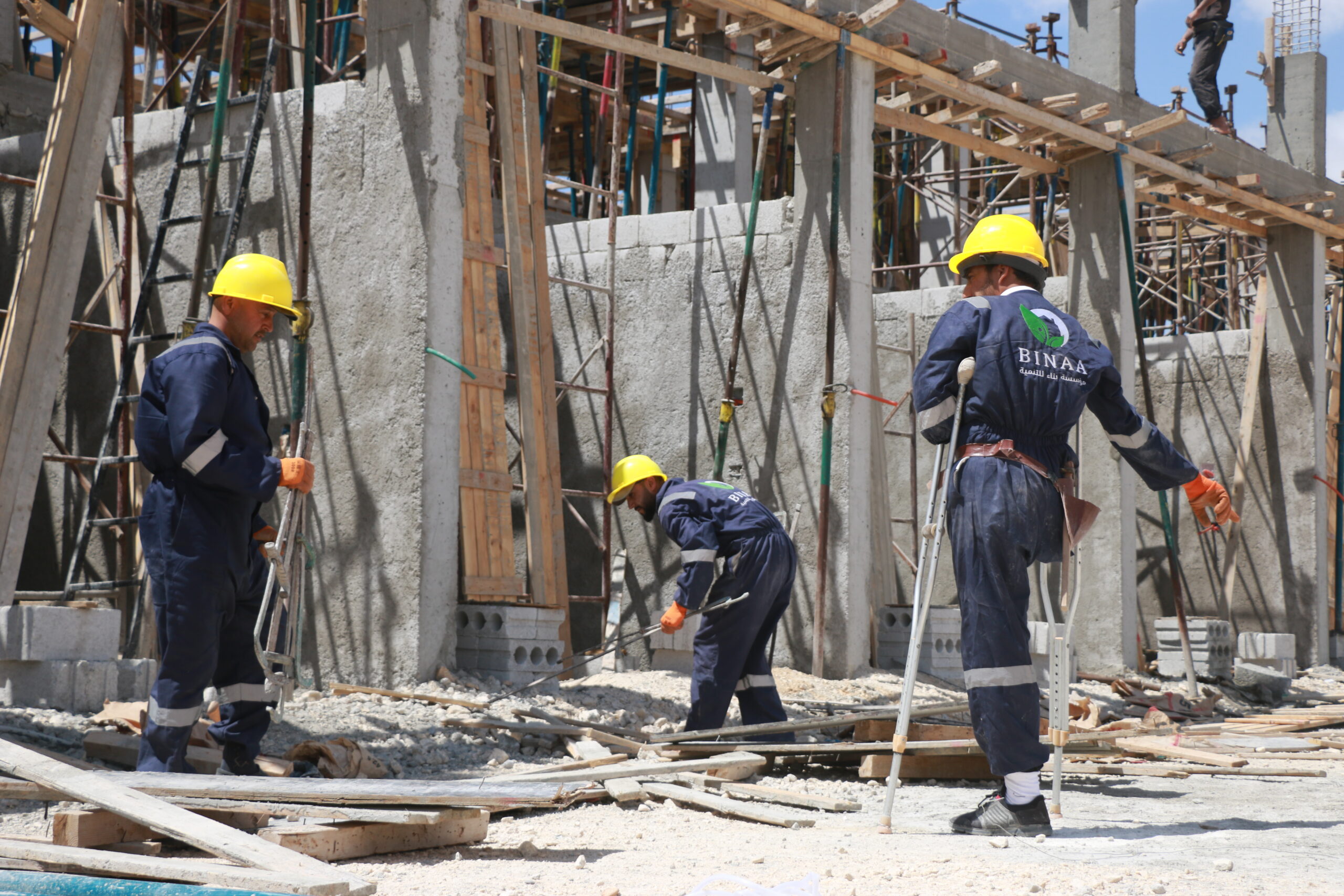
 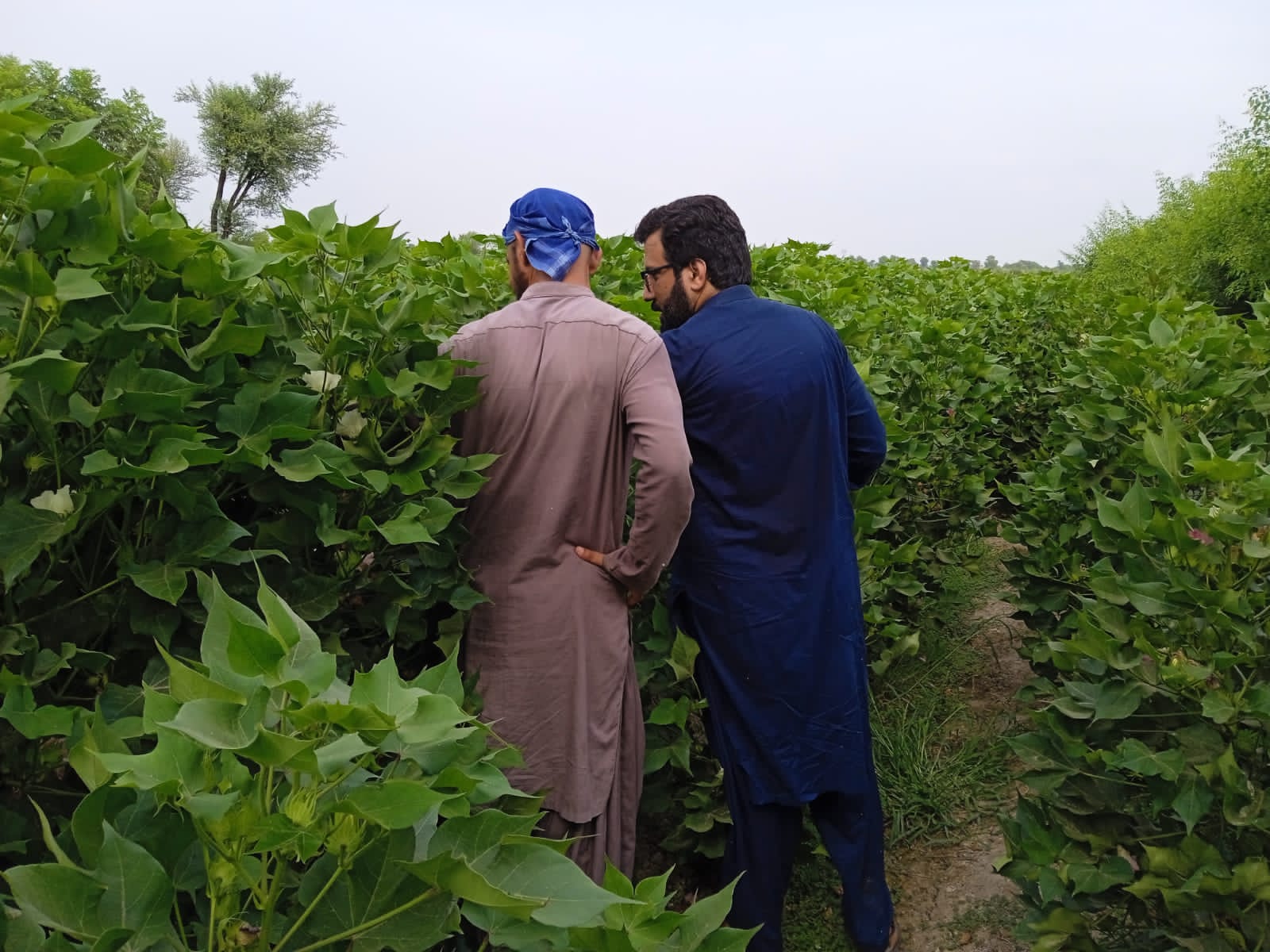 In 2023, CDP awarded a grant to Rizq to support farmers affected by flooding in South Punjab, Pakistan. This photo shows a crop cultivation project in South Punjab. Photo credit: Rizq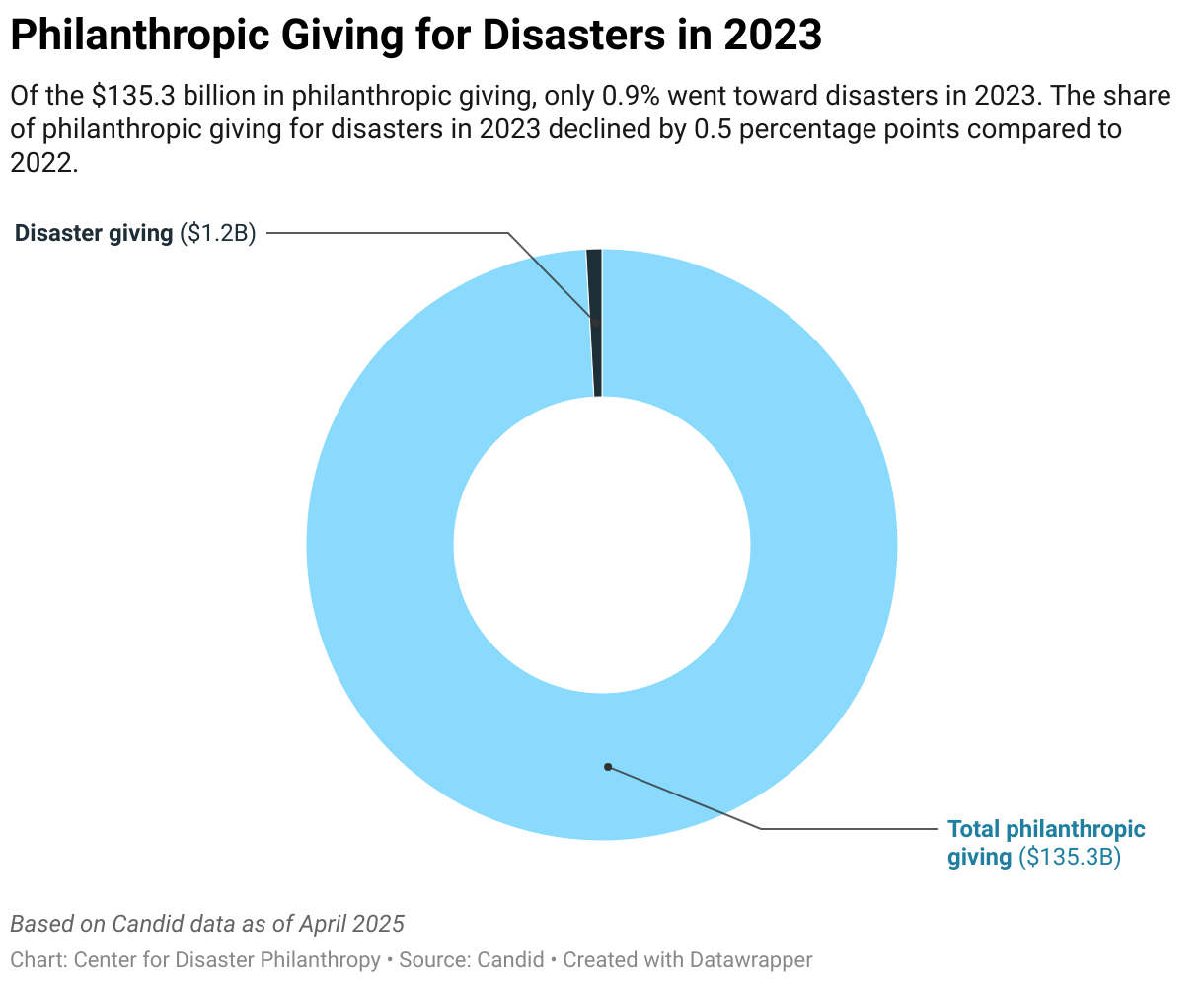
Key Insights
Philanthropy continues to respond generously to a range of disasters and humanitarian emergencies, particularly those that are catastrophic. We also find from this research that more philanthropic funding for disasters and for minimizing their impact on humanity is needed, especially amid changing government priorities and funding cuts.
- In the short term, disaster giving declined. The share of philanthropic giving for disasters as a proportion of overall giving in 2023 declined by 0.5 percentage points compared to 2022.
- Long-term giving, however, shows small but steady growth. In 2023, disaster funding, excluding epidemics, saw the second-highest funding amount since tracking began in 2012.
- There was strong support for natural hazards that led to disasters. Along with epidemics, wildfires and earthquakes received a significant proportion of funding in 2023.
- Philanthropy is adapting to growing needs and a shifting landscape. Despite constraints, disaster philanthropy remains committed to community and action.
- Promising practices and strategies exist. Thinking long-term, collaboration and supporting local organizations are examples of what disaster philanthropy is focused on.

Natural hazards and severe weather
Wildfires and earthquakes received a significant proportion of funding in 2023
Following epidemics, the natural hazards and severe weather disaster type received the second largest proportion of funding in 2023, driven by wildfires on the island of Maui in the U.S., the earthquake in southern Turkey and northern Syria, and the earthquake in Morocco.
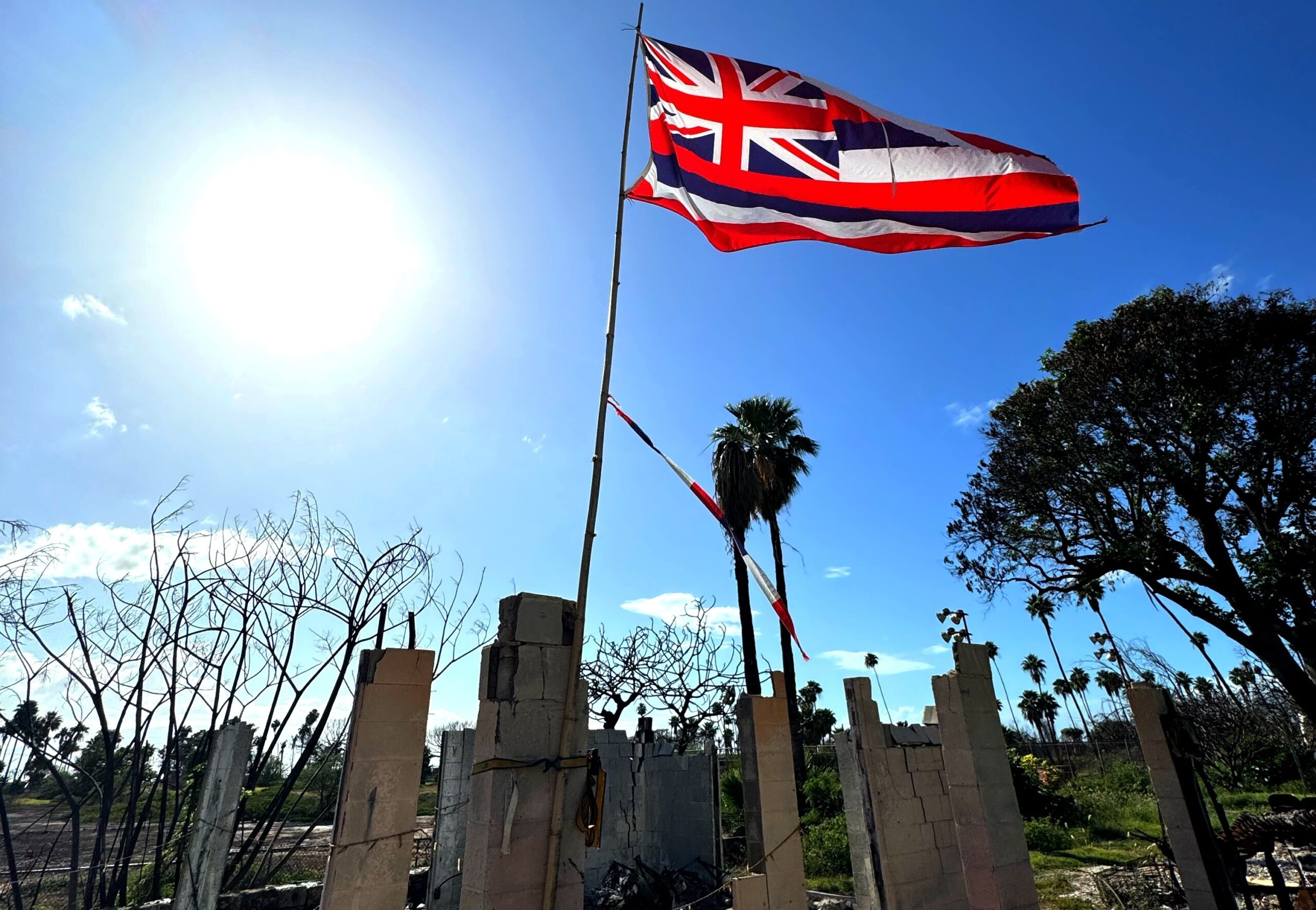 The Hawaiian flag flies over Lahaina’s burn site. Photo credit: CDP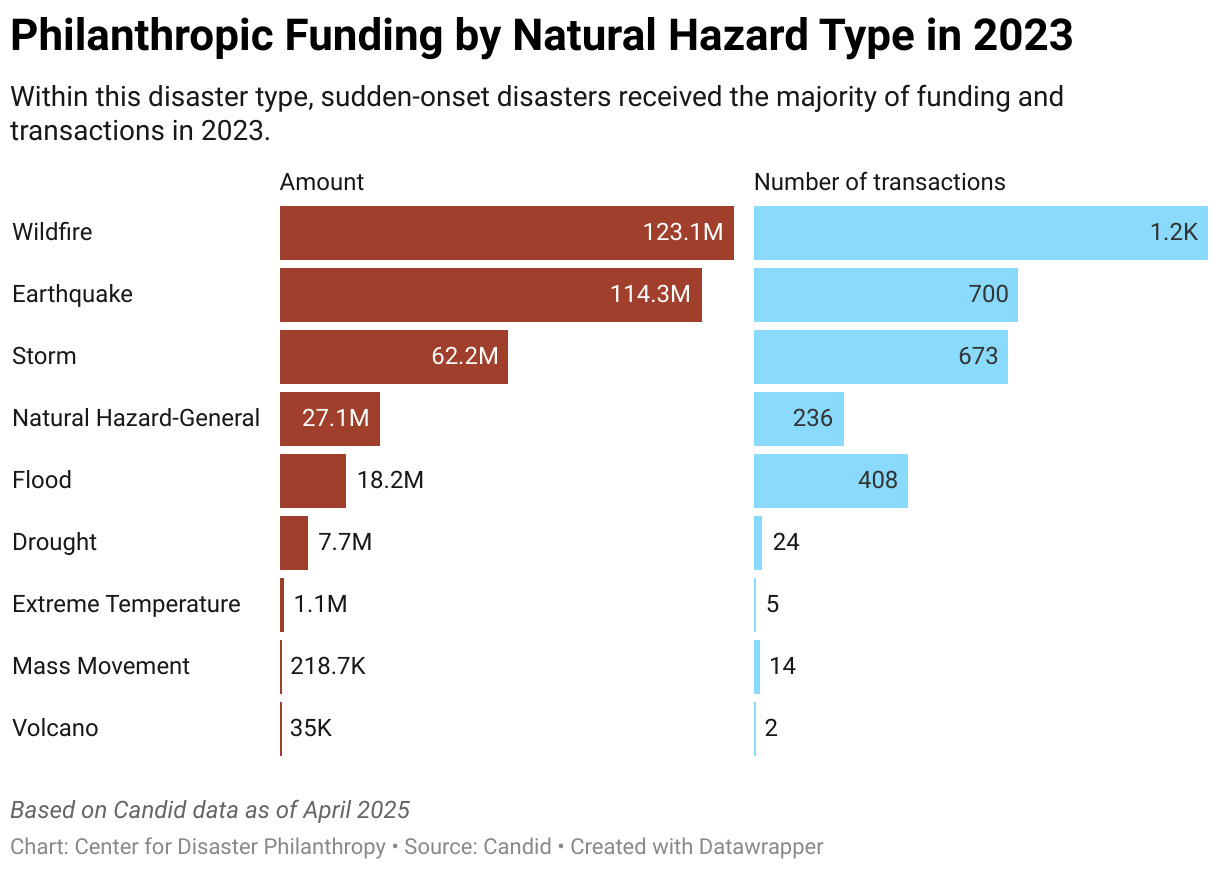
Response and relief
All types of funders provided significant support for response and relief in 2023
In 2023, every funder type except individuals funded response and relief more than any other disaster assistance strategy. At 12.7%, reconstruction and recovery saw its largest share of funding since 2018.
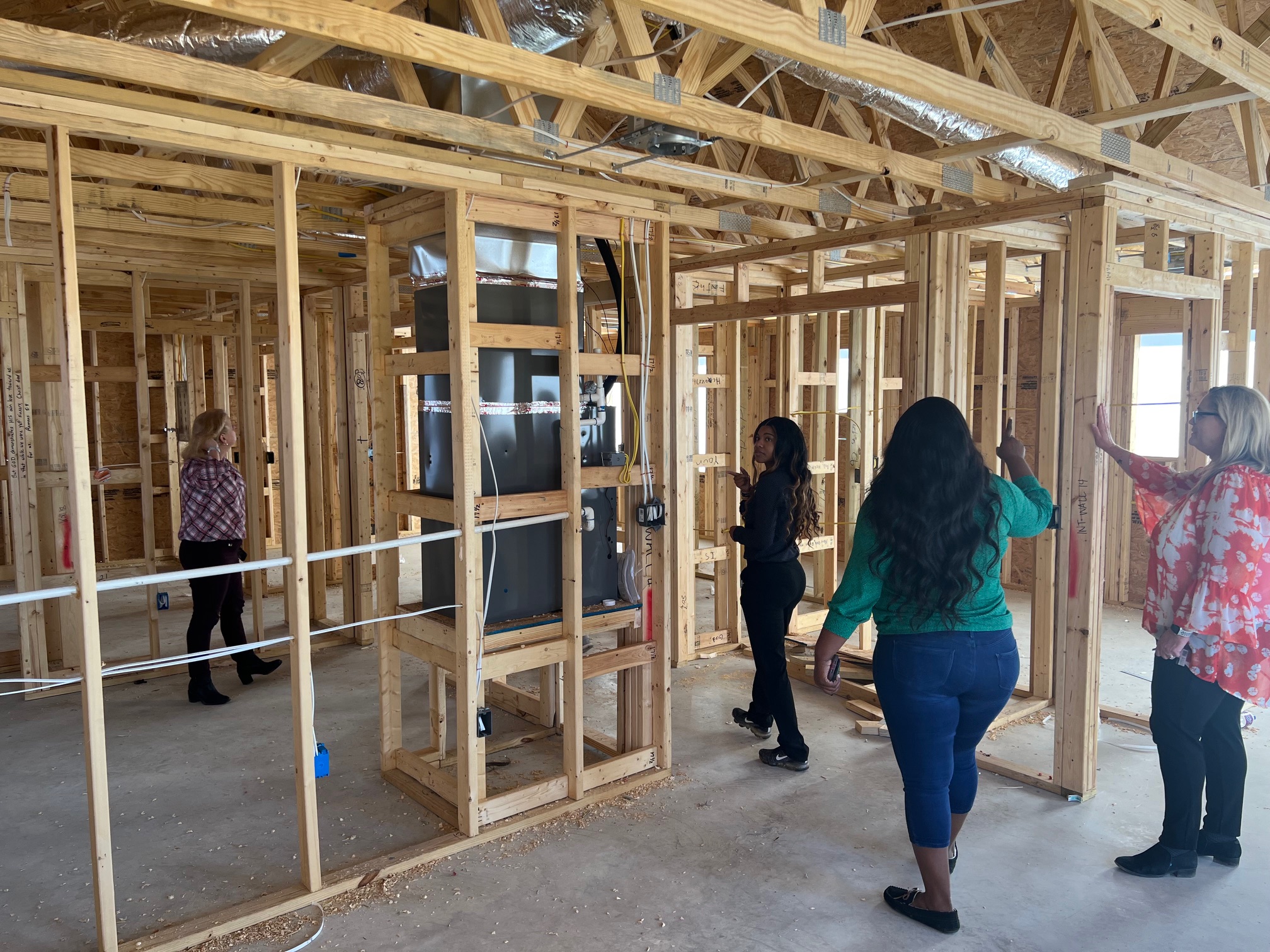 CDP’s Patty McIlreavy joins Disaster Services Corporation - Society of St. Vincent de Paul (DSC-SVDP) to visit a home in Rolling Fork, Mississippi being built for a renter that lost their rental property during a tornado in 2023. Photo credit: DSC-SVDP
About the data
Two data sets from Candid were used in this edition of State of Disaster Philanthropy – data from Candid’s transactions database and Candid’s Foundation 1000. Data is from Candid’s database as of April 2025. The data is sourced from publicly available data sources, including IRS Forms 990 and 990-PF, grantmaker websites, funders that report their grantmaking directly to Candid, and published media, including English-language news and press releases. The data set includes cash grants, grants to individuals, program-related investments, and in-kind gifts with a monetary value from private and community foundations, corporations (including corporate giving programs), public charities, and other grantmaking organizations and individuals in fiscal year end 2023. U.S. and non-U.S. funders are included: Of 3,277 funders, 3,231 were based in the U.S., representing 95.6% of disaster-related dollars. For U.S. community foundations, discretionary grants are included as well as donor-advised grants when provided by the foundation. To avoid double counting, transactions to grantmakers in the data set are excluded. The data set excludes pledges (announced intentions to award a monetary or in-kind contribution).
“Direct global giving” refers to transactions awarded to recipient organizations headquartered outside the U.S. for work taking place exclusively in the recipient country. The analysis, therefore, excludes recipients without location information, including some anonymous recipients and individuals. Candid used similar methodology in the Council on Foundation’s Advancing Locally Led Development report.
Candid’s Foundation 1000 contains grants of ≥$10,000 by 1,000 of the largest U.S. community, corporate, independent and operating foundations. It excludes loans, grants to individuals, program- and mission-related investments, and grants from corporate giving programs, public charities (excluding community foundations) and individual donors.
Learn about how funders can share grants data with Candid.
Featured image photo by Manny Becerra on Unsplash
Invest more in communities impacted by disaster
Philanthropy cannot fill all gaps left by government. Yet, philanthropy can maximize its impact by leaning into its strengths and applying promising solutions. Support is needed when a disaster occurs and critically beforehand.
Highlights of philanthropic giving for disasters in 2023
In 2023, of the $135.3 billion in total philanthropic giving according to Candid’s database, $1.2 billion or 0.9% went toward disasters.
of the $135.3 billion in philanthropic giving went toward disasters in 2023
supported epidemics in 2023
went toward wildfires in 2023
went toward complex humanitarian emergencies in 2023
Based on Candid data as of April 2025
Reflections
"Philanthropy’s power isn’t in filling every gap; it lies in enabling those already leading change to sustain and scale their efforts. To fund potential, not perfection. Because the future of humanitarian recovery and climate resilience isn’t about doing more 𝘧𝘰𝘳 people, it’s about doing more 𝘸𝘪𝘵𝘩 them."
Patricia McIlreavy
President & CEO of CDP
"So I think there are a lot of unknowns and challenges, but at the end of the day, we're still going to be true to our principles and where we focus, and that'll continue to be the foundation for our work."
Interview Respondent 5
U.S.-based
“That we focus, not only on crisis response, but also recovery, resilience, anticipation. This is really a term that resonates – anticipation – among funders, philanthropy infrastructure organizations. How can we learn, how can we train ourselves, our teams, to be better equipped when the next crisis hits?”
Interview Respondent 15
Based outside the U.S.
“More and more we see the scale of disasters getting bigger and bigger, and it's not easy for one, two or three funders to respond and to really provide for all the need. So, it's important to collaborate, that's what we've also learned with 2023.”
Interview Respondent 9
U.S.-based
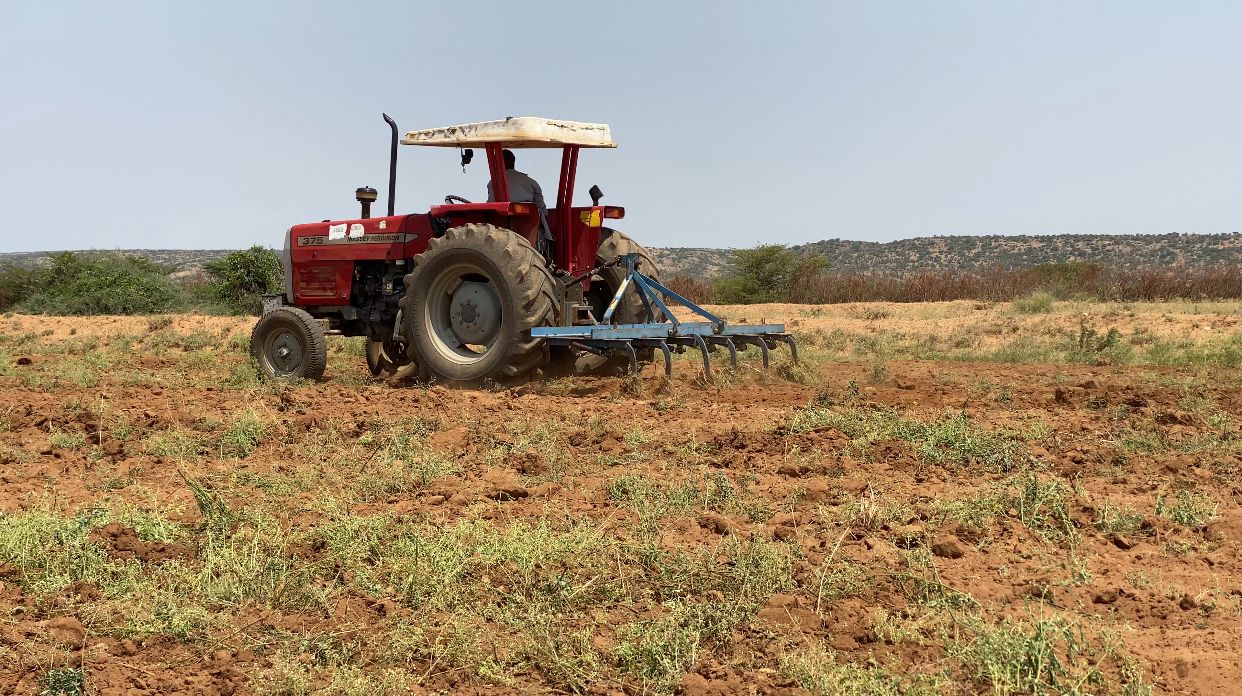 Through a project funded by a CDP grant to NEXUS Consortium – a coordinated group of local NGOs in Somalia – farmers received tractor-tilling services to save time and help them reclaim abandoned land. Photo credit: NEXUS Consortium, Somalia.
 Key Recommendations
Philanthropy can leverage its resources and strengths to do more both when a disaster occurs and critically beforehand.
Address immediate disaster needs but always take a long-term view
Philanthropy has a critical role to play in meeting immediate and long-term needs so communities can withstand disasters.
Invest in local organizations
People and organizations proximate to disasters and humanitarian emergencies need your trust, partnership and investment.
Seek out opportunities to coordinate and collaborate
The uncertainty and shifts observed in 2025 call for even more coordination and collaboration.
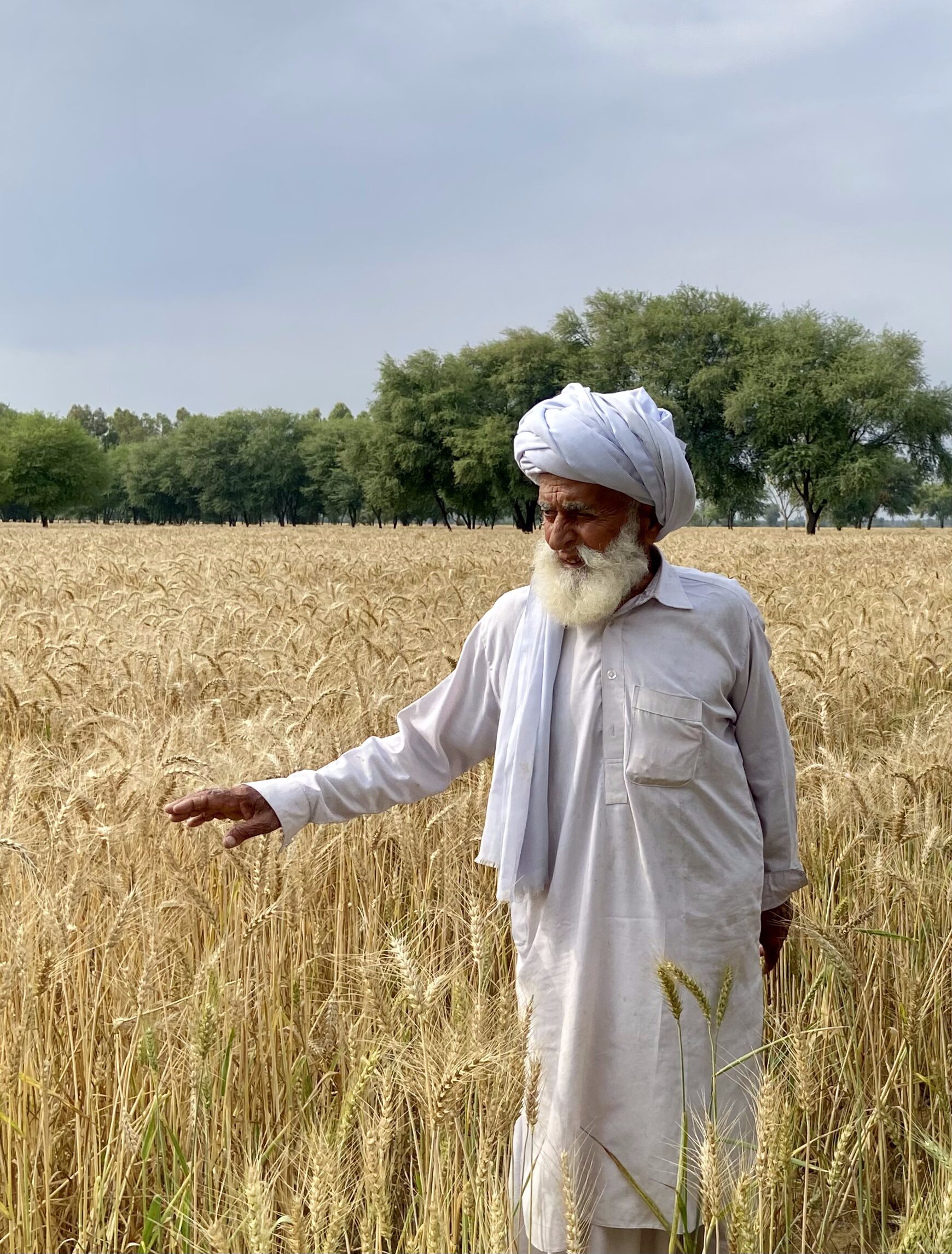 A crop cultivation project in flood-affected South Punjab, Pakistan. Photo credit: Rizq