
What we’re watching: Weekly disaster update, June 15
Some disasters make headlines; others do not. Here at the Center for Disaster Philanthropy (CDP), we monitor the status of disasters worldwide and compile a list of the ones we’re tracking weekly.
Here’s what we’re watching for the week of June 15, 2026.
New or Emerging Disasters
Tornadoes, Severe storms – Midwest: Multiple severe weather outbreaks in the Midwest occurred over the course of several days. On June 11, at least 17 tornadoes touched down in Illinois, Iowa and Indiana. The most powerful tornadoes registered as EF-3. Houses and RV parks were destroyed or severely damaged in several states. One man living in a homeless encampment in Iowa died from falling debris. Hundreds of thousands of customers lost power in the region, property was damaged from strong winds and uprooted trees, and dozens of flights were canceled.
Strong winds shattered glass windows in high rises in downtown Chicago. In North Dakota, a derecho on June 9 caused 90 mph winds along with hail that left tens of thousands of households without power in both Dakotas and Minnesota.
Several other severe storm outbreaks occurred over the course of the week in Michigan and Wisconsin. Damage assessments are ongoing.
Previous/Ongoing Disasters
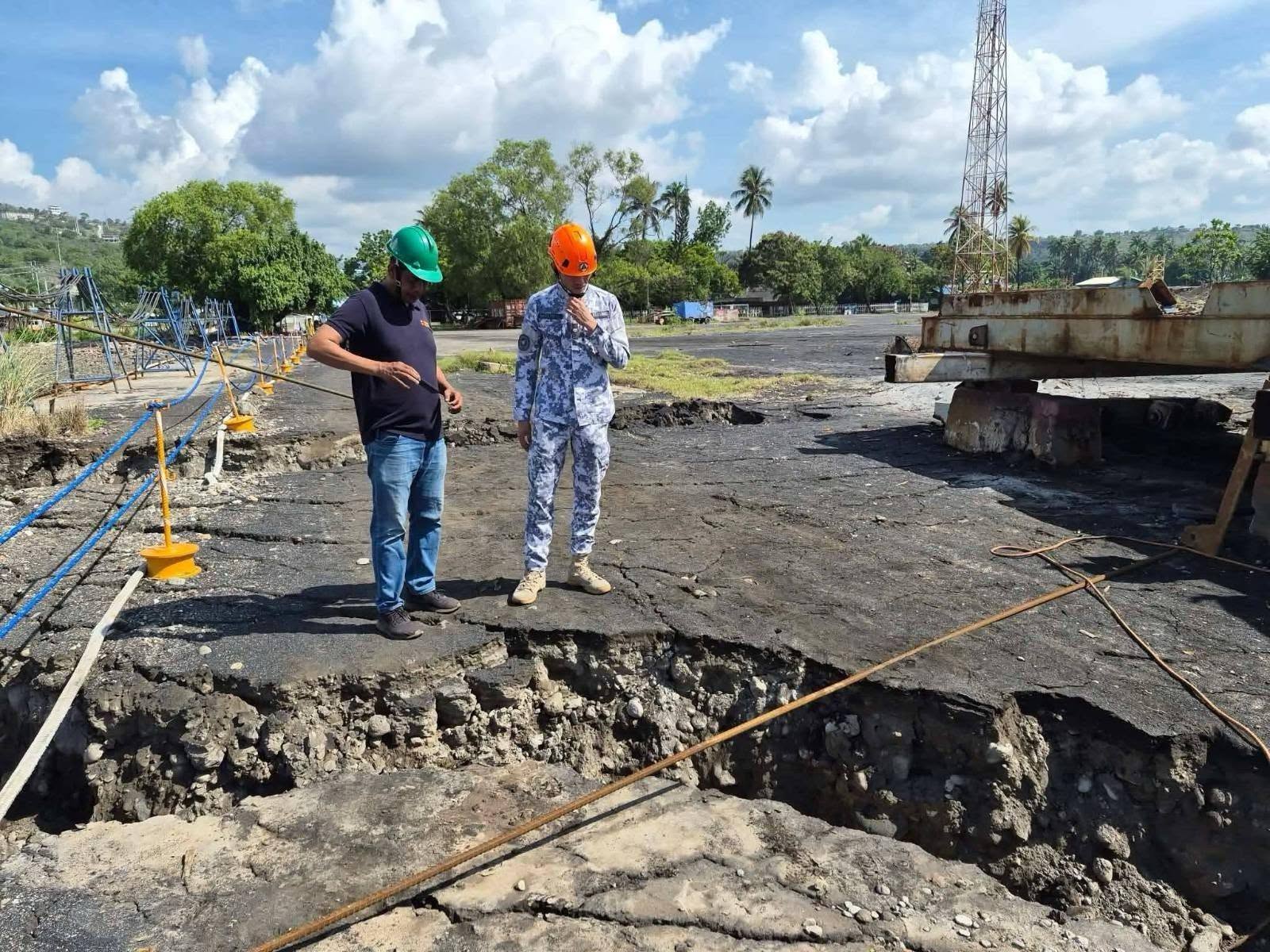
Earthquake – The Philippines: As of June 15, more than 3,500 schools remain closed after a 7.8 magnitude earthquake struck Mindanao. The death toll has risen to 65, with 36 people still missing. Many of those reported missing are presumed dead as a result of landslides. Rescue operations have now shifted to recovery.
The Philippine Institute of Volcanology and Seismology has recorded 6,100 aftershocks so far. It was one of the most powerful earthquakes to strike the country in 50 years.
Ebola – DRC: At least 40 people have recovered from Ebola infections since the beginning of the outbreak. The total number of known cases is 782 with 181 deaths, putting the fatality count at 23%, though actual numbers may be higher. At least 72 new infections were discovered on Sunday, the highest 24-hour jump since the outbreak began.
DRC’s most marginalized populations are being hit hard. An outbreak occurred at an orphanage after a child, whose mother died from the infection, contracted the disease before being placed in the orphanage, exposing staff and other children.
Complex Humanitarian Emergencies – The Sahel: Mali
Many places worldwide are experiencing conflict, climate change, drought, famine, economic challenges and other conditions which, when combined, create complex humanitarian emergencies (CHEs). CDP spotlights one CHE each week to spread awareness and develop a philanthropic response.
The humanitarian emergency in Mali is driven by extremist violence, poverty and climate shocks. Intercommunal tensions, competition over land and resources, weak governance, and military operations have displaced hundreds of thousands of civilians.
Key facts:
- 5.1 million people in Mali are estimated to need humanitarian assistance in 2026. Humanitarian agencies aim to reach 3.8 million people but face major funding shortfalls.
- As of April 2026, Mali hosted approximately 414,500 internally displaced people (IDPs), a 10% increase from the previous year. Violence in northern and central regions continues to force families from their homes, while access to basic services remains limited.
- Protection risks are severe, particularly for women and children. Following major attacks in April 2026, thousands of displaced people were relocated from informal sites around the capital city of Bamako. More than 75% of those displaced were women and children who are at high risk of gender-based violence, exploitation and abuse.
- Escalating insecurity is restricting humanitarian access. Coordinated attacks by armed groups in Bamako, Gao, Mopti, Kidal, and other areas in April 2026 led to civilian casualties, new displacement, curfews and disruptions to aid delivery and health services. Human rights monitors report civilians have been killed, displaced and cut off from food and assistance.
- Children are increasingly affected by conflict. Recent attacks damaged or disrupted schools and health facilities. In Mopti, at least 300 children lost access to education after a school was attacked. Meanwhile, an attack on a health center in Gao undermined services for nearly 2,700 children.
- Food insecurity and malnutrition remain critical concerns. The World Food Program estimates that 1.6 million people face acute food insecurity, while 1.6 million children under five are at risk of acute malnutrition.
- Insecurity, displacement and funding gaps have disrupted access to health care, including maternal and reproductive health services. Humanitarian agencies warn that reduced funding threatens the continuity of life-saving programs, especially for women and girls.
According to UNOCHA, “Compared to 2025, the funding requirements, as well as the numbers of people in need and people targeted, have each decreased by more than 20 per cent. These reductions result from a methodological change and are not a reflection of an improvement in the humanitarian situation. In 2025, Mali received 21% of the $771 million appeal, representing the lowest funding level over the past ten years.”
Join us this Thursday, June 18
The Ebola outbreak: How funders can support locally led response
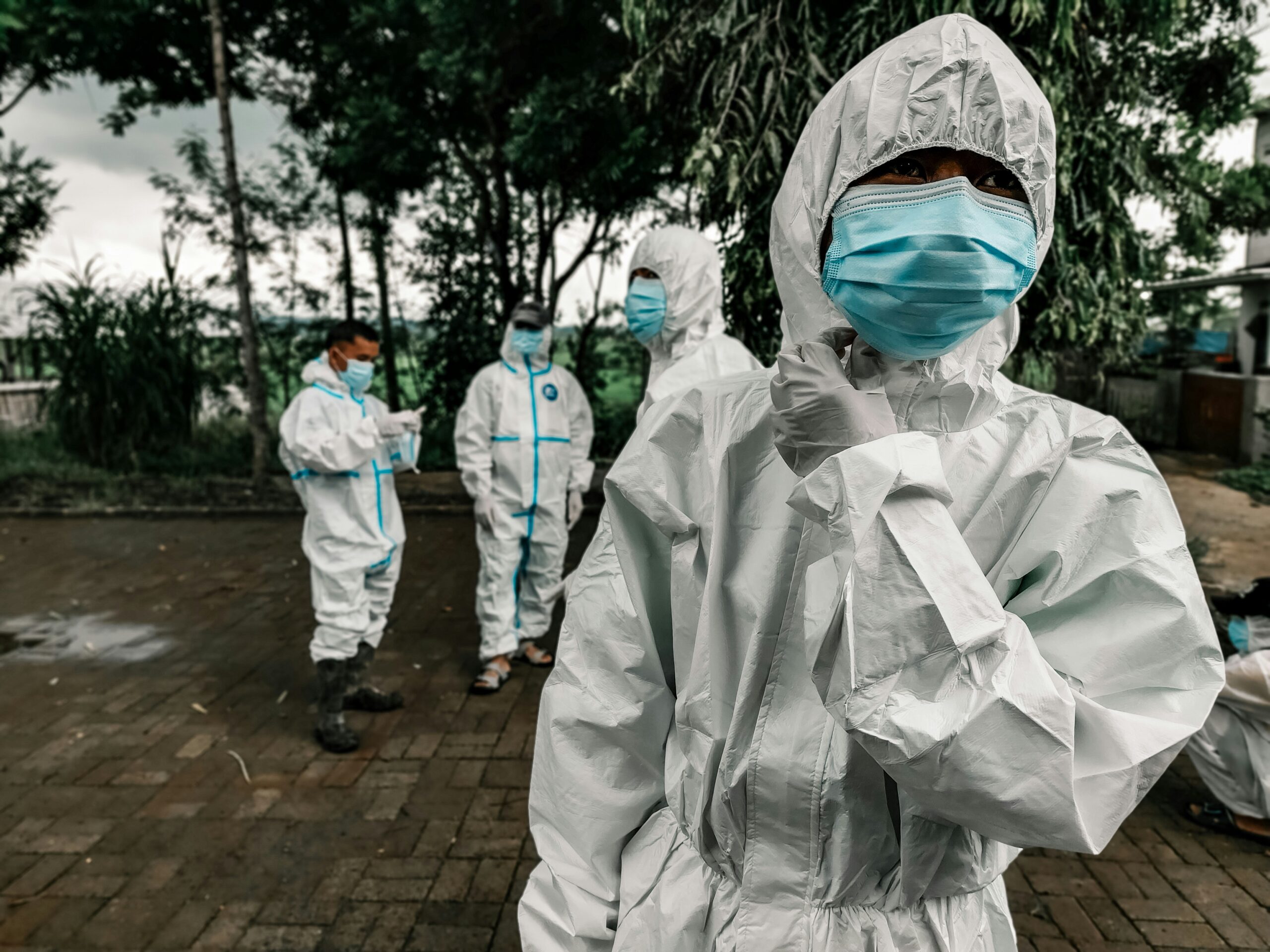 People wearing personal protective equipment. (Photo by Gani Nurhakim on Unsplash)
 What We’re Reading
-
A ‘cold blob’ in the Atlantic could be a sign of AMOC shutdown – CNN
-
The Movement to Stop Data Centers – The New York Times
-
Women and girls caught up in Yemen’s ‘forgotten crisis’ bear the heaviest toll as funding falls – UN News
A moment of hope… Host communities in parts of Mali are welcoming displaced people by leading initiatives designed to foster social cohesion and economic recovery. Host community leaders organize consultations, build shared spaces, and create social and economic activities so newcomers can find their place in the community and contribute to local life.
Some initiatives include a women’s cheese-making cooperative in Dongo, a rice parboiling unit in Hamzakoma, a meat-drying unit in Farimaké and a fish-farming pond in Séréré. New community members also receive support for livestock and irrigated gardening, including more than 1,200 small ruminants and five of cultivated land per commune for 170 mainly women farmers.

Gina DeLuca
Content Development Associate