Flash flooding in Nepal: How funders can support communities amid climate-driven disasters
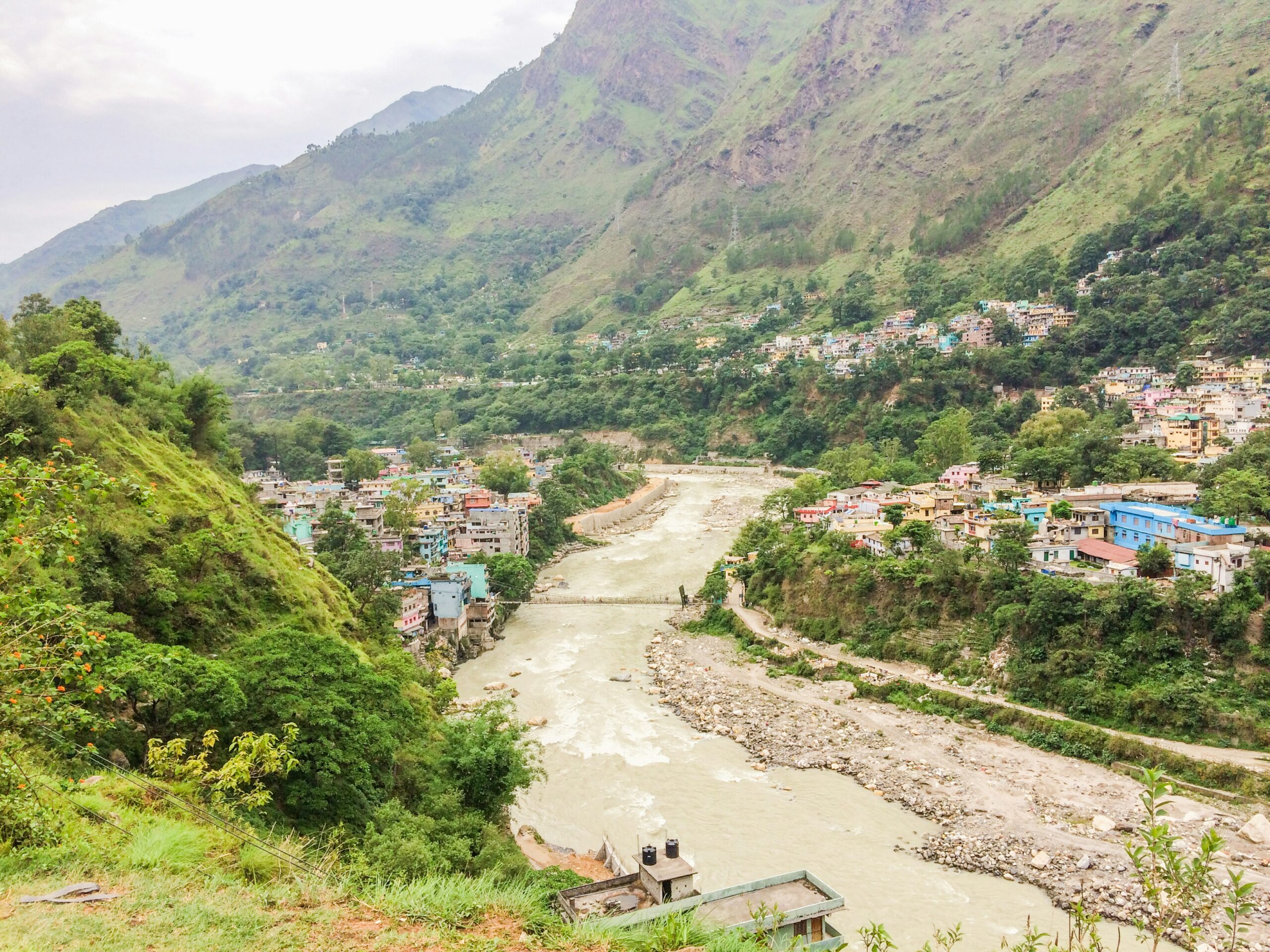
On Wednesday, Aug. 26, a huge block of ice broke off a glacier in the Himalayan Mountains and fell 3,900 feet to the valley floor on the border of Nepal and Tibet. The glacial avalanche was so massive that it registered as a 5.2-magnitude earthquake on seismographs.
This caused an extremely powerful deluge of mud, rocks and water in the Lhende Khola river valley, submerging entire communities and public projects, killing at least 800 people, with more than 3,000 people still missing. Communities on both sides of the border were affected, as were hundreds of foreign nationals traveling in the area on religious pilgrimages. Bridges were destroyed, and about 25 miles of roads were damaged, making rescue efforts difficult. Officials are still assessing the damage.
This tragedy is a compelling example of how climate change can supercharge major disasters. Climate change is shifting the disaster landscape by affecting not only the frequency and severity of disasters, but compounding multiple hazards to produce sudden, devastating events. This reality is a call to action for philanthropy to fundamentally rethink how to support the resilience of communities at the frontlines of climate change.
Climate-driven disasters
Glacial melt in the Himalayas is projected to increase, and major catastrophes like these could become more common as the region warms. Experts are warning about compound and cascading disasters. Following the initial flood, the water level in the Bhote Koshi river has risen again from monsoon rains, and a dam burst on the Tibetan side of the border, prompting evacuations and complicating rescue efforts. Along the China-Nepal border, a lake formed by the landslide began to overflow on Friday, sparking panic and halting rescue efforts in areas already devastated by last week’s flood.
Despite emitting less than 0.03% of global greenhouse gases, Nepal bears the brunt of a warming planet, as heat trapped by larger nations fuels the extreme downpours that directly trigger the country’s devastating floods and landslides. As glaciers retreat and collapse more often, the risk of glacial lake outburst floods and debris flows will likely rise.
How to help
At CDP, we encourage funders to:
- Move from reactive responses toward anticipatory strategies that support community-led innovation and investment in long-term resilience. Survivors don’t live according to disaster phases, so funding shouldn’t either. Combining relief, recovery and climate resilience funding from the outset can help communities in Nepal rebuild safer, stronger and better prepared for what comes next. These investments reduce future risk while meeting current recovery needs to create more durable outcomes and better long-term value.
- Direct more flexible resources toward local institutions and underfunded grassroots organizations. Fund the local organizations, cooperatives, community groups and municipal institutions responsible for preparing communities to withstand future climate hazards as well as supporting them through current disasters long after emergency responders leave. Flexible, multi-year support can help local communities restore livelihoods, rebuild social networks and strengthen local structures for long-term decision-making. This approach is particularly important in Nepal due to its remote location, which makes locally rooted organizations the most effective and sustainable actors.
- Combine immediate relief with sustainable recovery support to rebuild stronger, more resilient communities that can withstand future disasters. In addition to rebuilding homes, donors should fund the restoration of livelihoods, psycho-social support, education, health care and WASH facilities, alongside investment in resilient infrastructure and initiatives that empower vulnerable populations to recover and thrive.
Philanthropic response to disasters has largely been event-driven rather than focused on prevention or mitigation, despite the fact that climate change significantly amplifies the effects of disasters. By investing in climate resilience, philanthropy can help reduce the human toll of a warming world rather than simply responding after the fact.
Join CDP’s effort to support recovery and climate resilience in Nepal through our Global Recovery Fund.

Gina DeLuca
Content Development Associate