
What we’re watching: Weekly disaster update, September 28, 2026
Some disasters make headlines; others do not. Here at the Center for Disaster Philanthropy (CDP), we monitor the status of disasters worldwide and compile a list of the ones we’re tracking weekly.
Here’s what we’re watching for the week of Sept. 28, 2026.
New or Emerging Disasters
Flooding – India, Nepal, Thailand: Heavy rain between Sept. 25 and 27 caused landslides and extreme flooding, killing 56 people in India, 14 people in Nepal and eight people in Thailand. Many people are still missing.
The heavy rain came on the heels of the major flooding catastrophe in August that killed 1,450 people along the Nepal/China border.
Hurricane Polo – Mexico: Hurricane Polo rapidly strengthened into a Category 5 storm in just 24 hours and made landfall as a Category 2 storm in Baja California Sur Tuesday morning, bringing life-threatening winds and flash floods.
Forecasters are predicting 6-12 inches of rain and officials in Sonora have suspended all nonessential activities. The effects of this storm are expected to extend to Chihuahua and Sinaloa, as well as parts of the United States.
Hurricane Nolo – Hawai’i: Although it never made landfall, Hurricane Nolo is the fourth tropical system to impact Hawaii this year in a series of compounding disasters. The outer bands of this Category 4 storm brought heavy rain, strong winds, large waves, flooding and a landslide to parts of Hawaiʻi, especially the Big Island. Although it avoided the catastrophic damage initially feared, the storm caused road closures, downed trees and localized flooding before moving westward away from the islands.
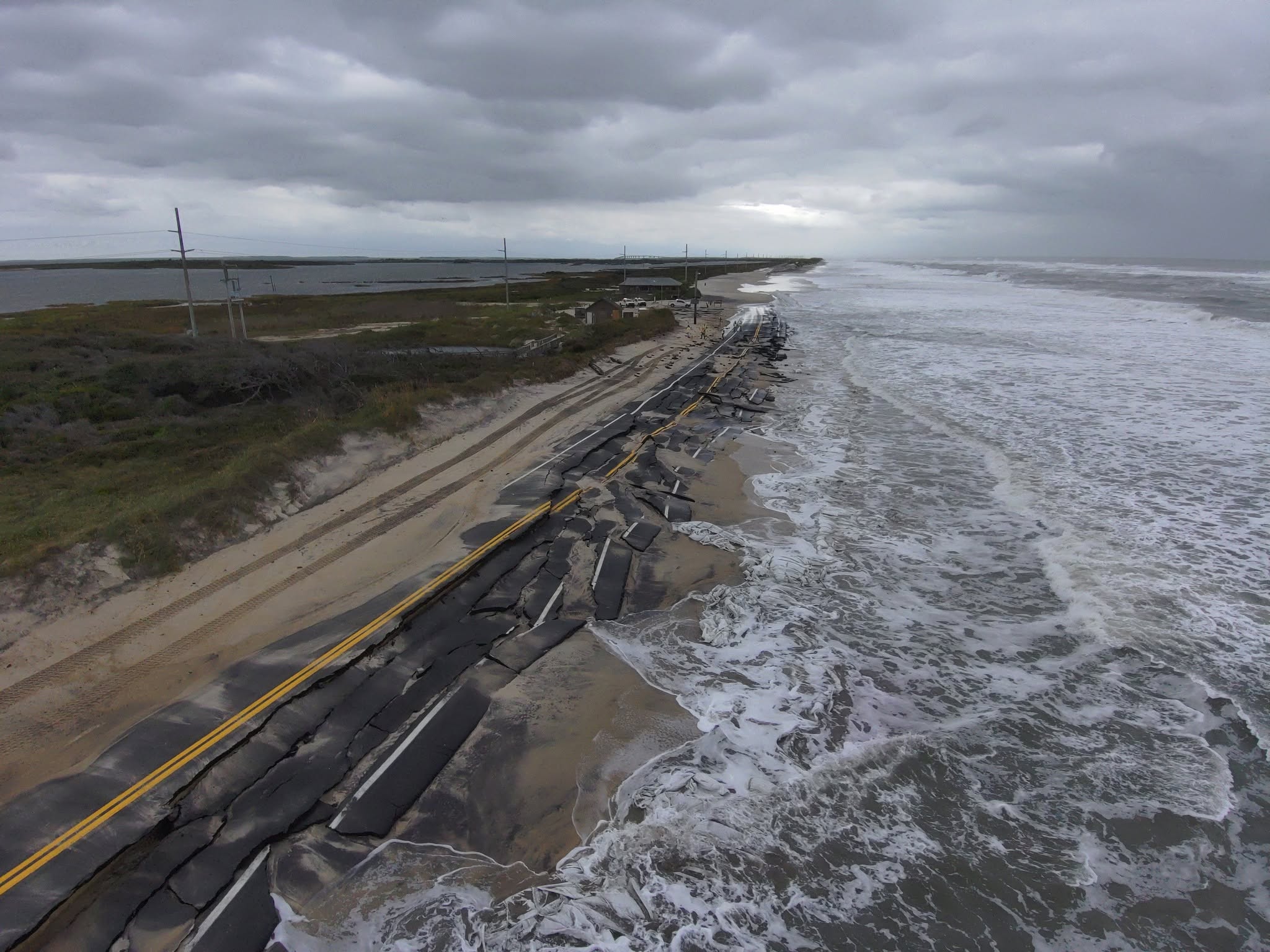
Nor’easter – Multiple states: On Sept. 25, a powerful cyclone brought heavy rain and winds to coastal states from North Carolina to Maine. Roads flooded, 200,000 homes and businesses lost power, and hundreds of flights were canceled.
Crews rescued people from waist-high floodwaters in New Jersey and New York, which were under states of emergency. Multiple states recorded winds reaching 80 mph.
Previous/Ongoing Disasters
Wildfires – Indonesia: Borneo has been experiencing a severe wildfire and haze crisis driven by an unusually strong El Niño that has produced extreme heat and drought. More than 224,000 fire hot spots were detected across Indonesia by Aug. 20, which burned roughly 230,000 acres in July alone.
The smoke has caused widespread respiratory problems, disrupted schools and contaminated air across Indonesia and neighboring Malaysia, while degraded and drained peatlands act as highly combustible fuel, allowing fires to burn underground for weeks and release large amounts of carbon. The haze originating in Borneo has also caused respiratory issues and the cancellations of events in Malaysia.
Complex Humanitarian Emergencies – The Sahel (Guinea)
Many places worldwide are experiencing conflict, climate change, drought, famine, economic challenges and other conditions which, when combined, create complex humanitarian emergencies (CHEs). CDP spotlights one CHE each week to spread awareness and develop a philanthropic response.
In Guinea, political and protection risks affect civic spaces and vulnerable groups, while chronic food insecurity and malnutrition are intensified by recurring floods and other climate shocks.
Key facts:
- In the wake of the 2021 military coup, Guinea has maintained a ban on political demonstrations.
- Protection risks include arbitrary detention, abduction, torture, restrictions on peaceful assembly and threats against journalists, activists and opposition figures.
- Roughly 2.9 million people are food insecure.
- The World Food Program also reports persistent structural vulnerability, with 21.8% of households experiencing food insecurity, while 6.1% of children under five have global acute malnutrition and 24.4% are stunted.
- Because Guinea depends largely on imports for its food supply, geopolitical factors greatly affect food security. Climate shocks, poverty and disruptions to markets compound difficulty accessing food.
- Severe floods in 2025 caused at least 59 deaths, with additional people missing, and displaced more than 5,000 people.
- Guinea is surrounded by significant conflict and displacement in the region, creating continuing humanitarian and migration pressures across its borders.
Guinea’s crisis is not a single sudden emergency, but rather a combination of chronic poverty, food insecurity, displacement, climate vulnerability and limited access to essential services.
What We’re Reading
-
‘Planetary boundaries’ necessary for flourishing of life have been massively breached, scientists warn – The Guardian
-
Why Rebuilding After Climate Disasters Is No Longer Enough – The New York Times
-
‘The blockade is complete’: Locals flee occupied south Ukraine as hunger deepens – ABC News
A moment of hope…The World Food Program (WFP) is expanding access to clean cooking solutions for refugees and vulnerable communities, helping reduce reliance on firewood and charcoal while improving health, safety and environmental sustainability.
In Chad, WFP is supporting refugees with cleaner cooking technologies and fuels, reducing the need for women and girls to spend hours collecting firewood and lowering their exposure to violence and harmful household smoke. The initiative demonstrates how clean cooking solutions can simultaneously support food security, livelihoods, protection and climate resilience in humanitarian settings.

Gina DeLuca
Content Development Associate