
What we’re watching: Weekly disaster update, October 5, 2026
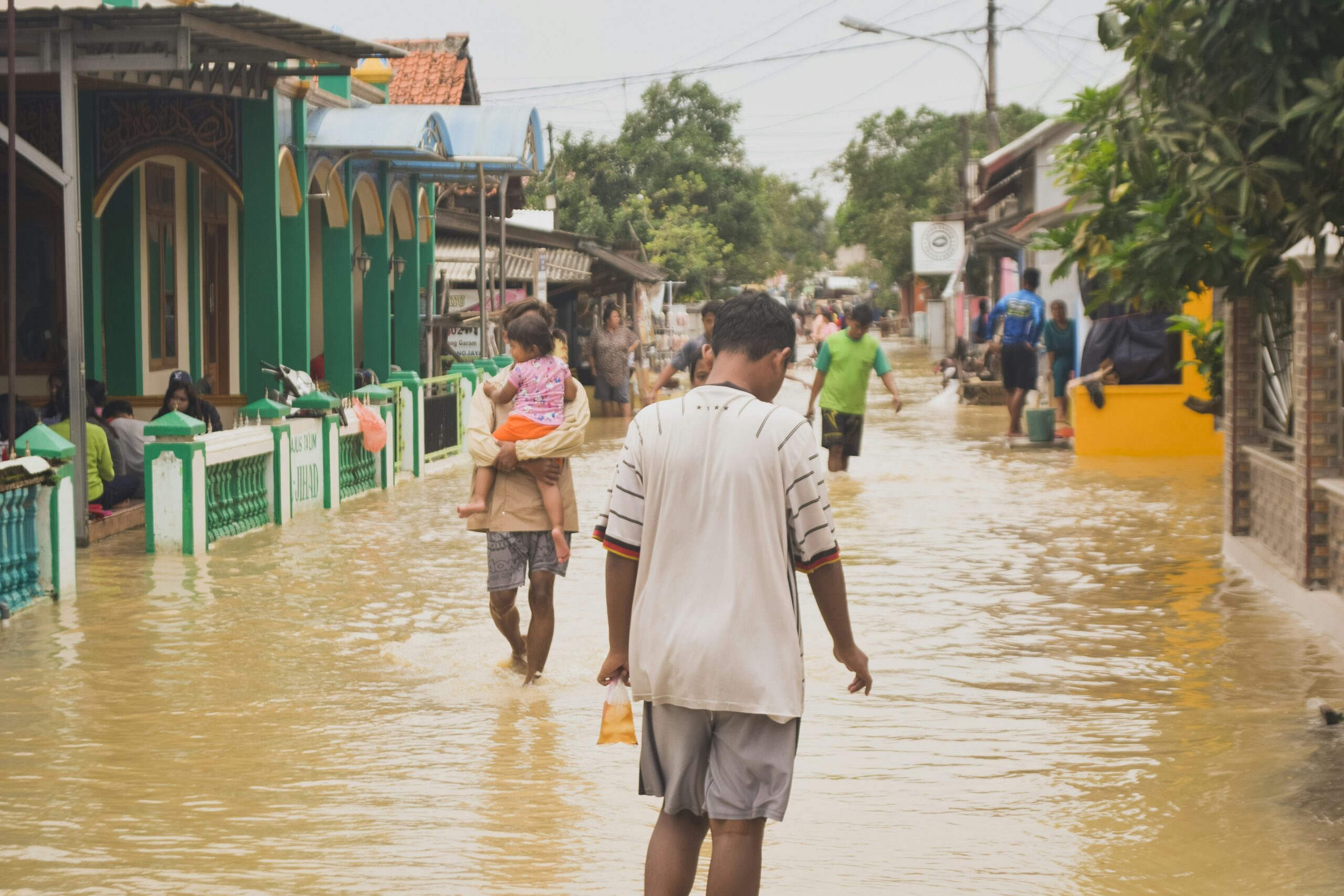
Some disasters make headlines; others do not. Here at the Center for Disaster Philanthropy (CDP), we monitor the status of disasters worldwide and compile a list of the ones we’re tracking weekly.
Here’s what we’re watching for the week of Oct. 5, 2026.
New or Emerging Disasters
Flooding – Myanmar: Heavy rain triggered flash floods and landslides in Myanmar’s Tanintharyi region, causing 41 deaths, disrupting communication networks and cutting off roads to villages. At least 20 people remain missing. Rescue efforts are severely hampered by a lack of heavy machinery. The floods exacerbate an already dire humanitarian emergency in the country.
Flooding – Spain: At least two people have died, and one person remains missing after torrential rain caused flash flooding in Catalonia. A “mini-hurricane” caused flight, train and event cancellations, and officials urged people to stay indoors. Homes were inundated and cars became submerged in floodwater. Emergency crews performed at least 90 rescues.
Previous/Ongoing Disasters
Flooding – Thailand: More rain is forecast in the coming days after flash floods that killed 31 people across Thailand last week. The capital, Bangkok, experienced particularly severe flooding, prompting evacuations of thousands of people. At least 3.5 million people in the country have been affected by recent floods.
Ebola – Democratic Republic of Congo (DRC): Since May, more than 4,018 people have died from Ebola in DRC. There have been more than 8,600 confirmed cases of the disease, and at least 2,000 people have recovered.
This surge is outpacing the 2018 outbreak and is on track to become the fastest-growing Ebola outbreak in history. However, the rate of infection seems to have peaked in August with 120 new cases per day, then decreased to about 80 cases per day by mid-September.
Complex Humanitarian Emergencies – The Sahel (Nigeria)
Many places worldwide are experiencing conflict, climate change, drought, famine, economic challenges and other conditions which, when combined, create complex humanitarian emergencies (CHEs). CDP spotlights one CHE each week to spread awareness and develop a philanthropic response.
Nigeria is facing a humanitarian crisis driven by armed conflict and displacement, severe food insecurity, economic pressures, climate shocks, and disease outbreaks. The latest 2026 assessments show particularly severe conditions in the northeast, while protection and climate-related needs are spreading beyond the epicenters of conflict.
Key facts:
- At least 35 million people are facing severe food insecurity, according to the World Food Program.
- UNICEF estimates that at least three million children require treatment for severe wasting in 2026.
- Nigeria hosts more than 3.6 million internally displaced people (IDPs).
- Women and children make up around 70% of the displaced population.
- Protection risks include gender-based violence, child recruitment, kidnapping, family separation, lack of documentation, arbitrary detention and restricted movement. Women, children, older people and people with disabilities are particularly vulnerable to these risks.
- Nigeria faces recurrent flooding, drought, extreme rainfall and desertification, which compound existing conflict and food-security pressures, particularly in the North.
- The 2024 flooding destroyed an estimated 1.1 million tons of agricultural production, with losses estimated at around US$1 billion, directly exacerbating food insecurity.
- Climate shocks are particularly damaging because they exacerbate hardship amid conflict: displacement can prevent people from farming, while floods can destroy crops and assets in communities already struggling with insecurity and high food prices.
Climate shocks like flooding and increasingly variable rainfall destroy livelihoods and agricultural production, leaving vulnerable communities with fewer resources to withstand and recover from further shocks. The developing El Niño conditions could intensify droughts and floods through 2027, putting already food-insecure populations at additional risk.
What We’re Reading
-
Women face growing pressure as climate shocks, rising prices and conflict strain incomes and savings – CARE
-
Super El Niño to Cause 451,000 Heat Deaths – Inside Climate News
-
Nigeria faces the world’s highest projected death toll from super El Niño heat: what could save lives – The Conversation
A moment of hope…The World Bank highlights major progress in empowering Nigerian women and girls through programs focused on education, health, nutrition, economic opportunity and social protection.
By 2025, 2.1 million adolescent girls had benefited from improved school infrastructure, 466,876 vulnerable girls had received scholarships, and more than 1 million women had benefited from savings groups, skills training and livelihood support.

Gina DeLuca
Content Development Associate