
Building a stronger future on our own terms: Indigenous-led resilience and recovery
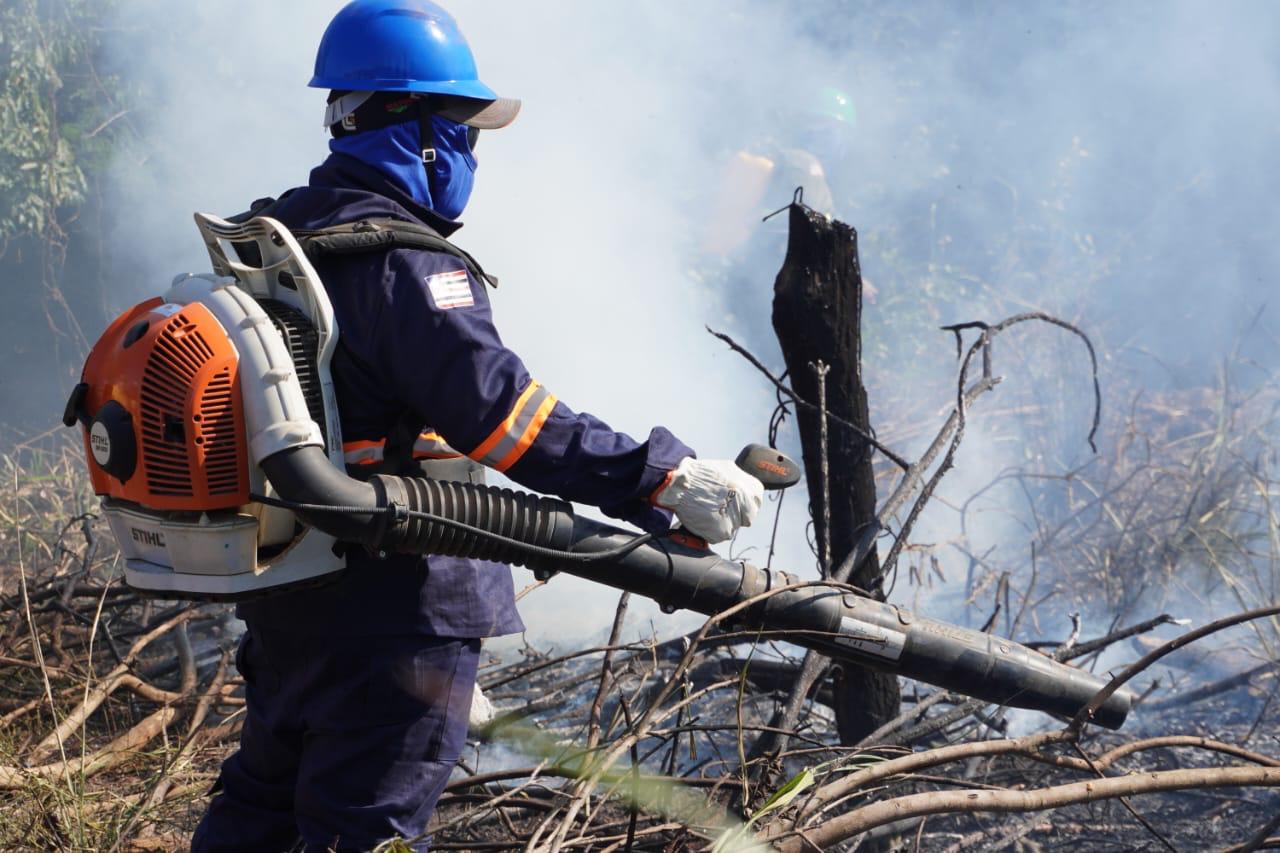
From Kwigillingok and Kipnuk to the Pine Ridge Reservation, from Maui to Micronesia to the Amazon Region, Indigenous communities are among those most at-risk from disasters. But another story is unfolding: These communities are leading recovery, strengthening preparedness and protecting their lands using knowledge built over generations.
At CDP, we support Indigenous-led organizations because they combine local knowledge, cultural traditions and lived experience with practical strategies for disaster preparedness, mitigation and long-term recovery. Their work demonstrates that resilience is not something delivered to communities. It is built by them.
On Indigenous Peoples Day, we are sharing lessons from two Indigenous-led organizations – the Coordination of Indigenous Organizations of the Brazilian Amazon (COIAB) and Partnership with Native Americans (PWNA) – that shared their perspectives on why it is essential for philanthropy to invest in local Indigenous leadership to build a safer future for their communities and our world. Their responses reveal common themes: local expertise, community self-determination and the importance of investing in preparedness before disaster strikes.
Indigenous communities are already leading
Indigenous communities possess generations of knowledge in managing land, responding to environmental change and caring for their communities.
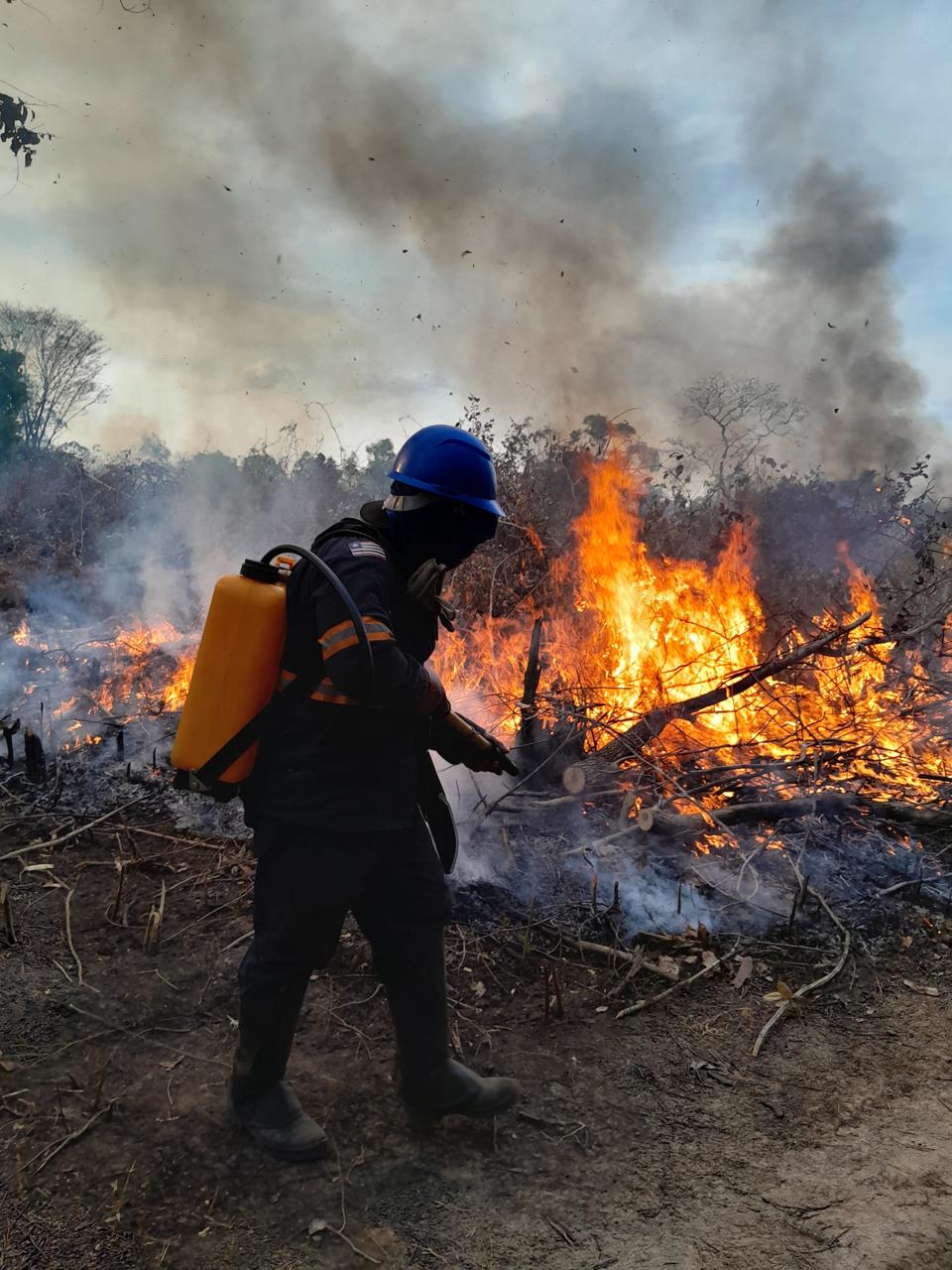
Ruan Guajajara from COIAB, wrote: “For us, Indigenous-led recovery means that Indigenous Peoples should not be seen only as communities affected by disasters, but as peoples who hold their own knowledge, strategies, and solutions to protect and restore their territories. […] Indigenous communities have always developed ways of observing environmental changes, caring for the land, preventing risks, and responding collectively to crises.
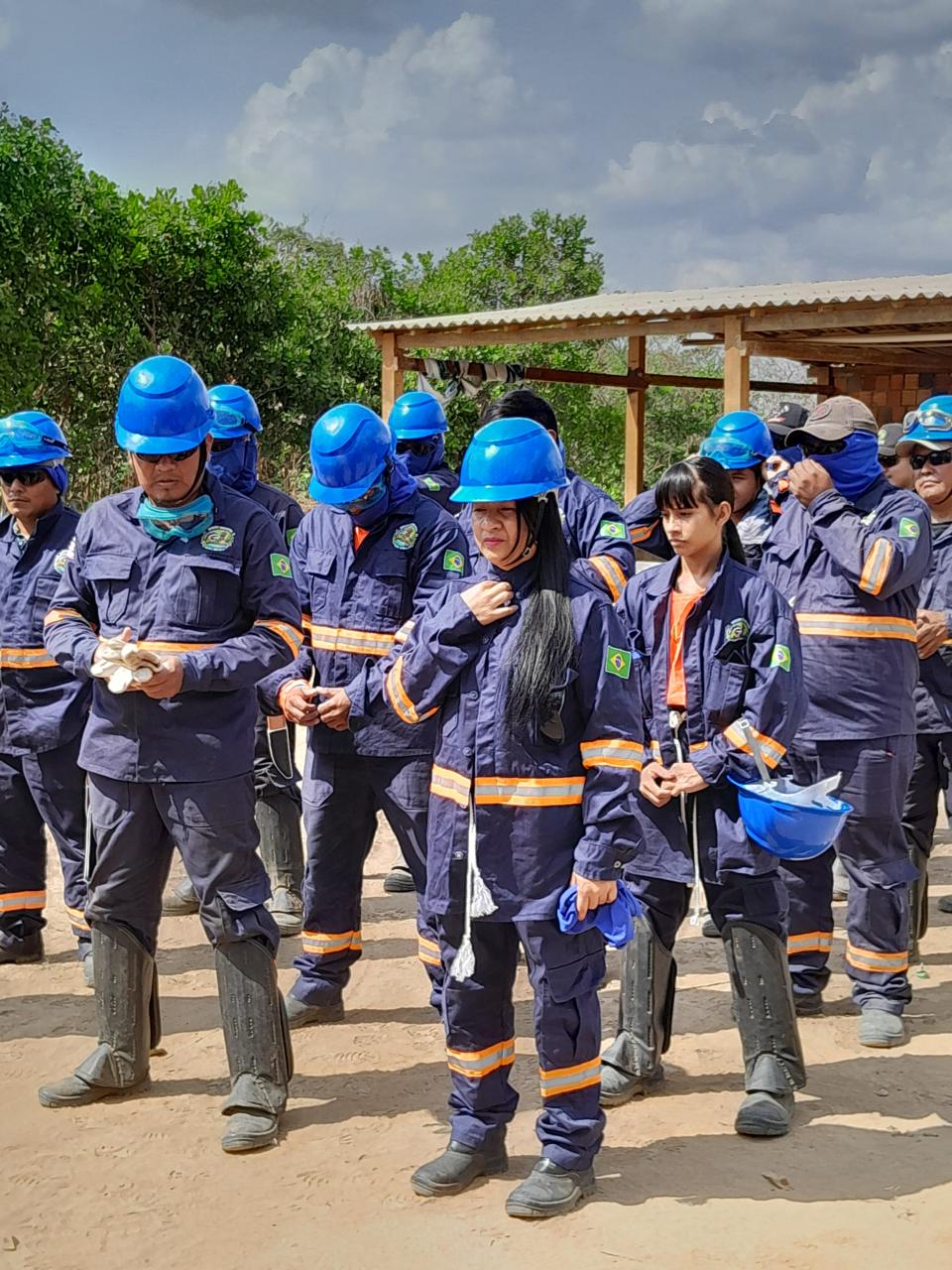
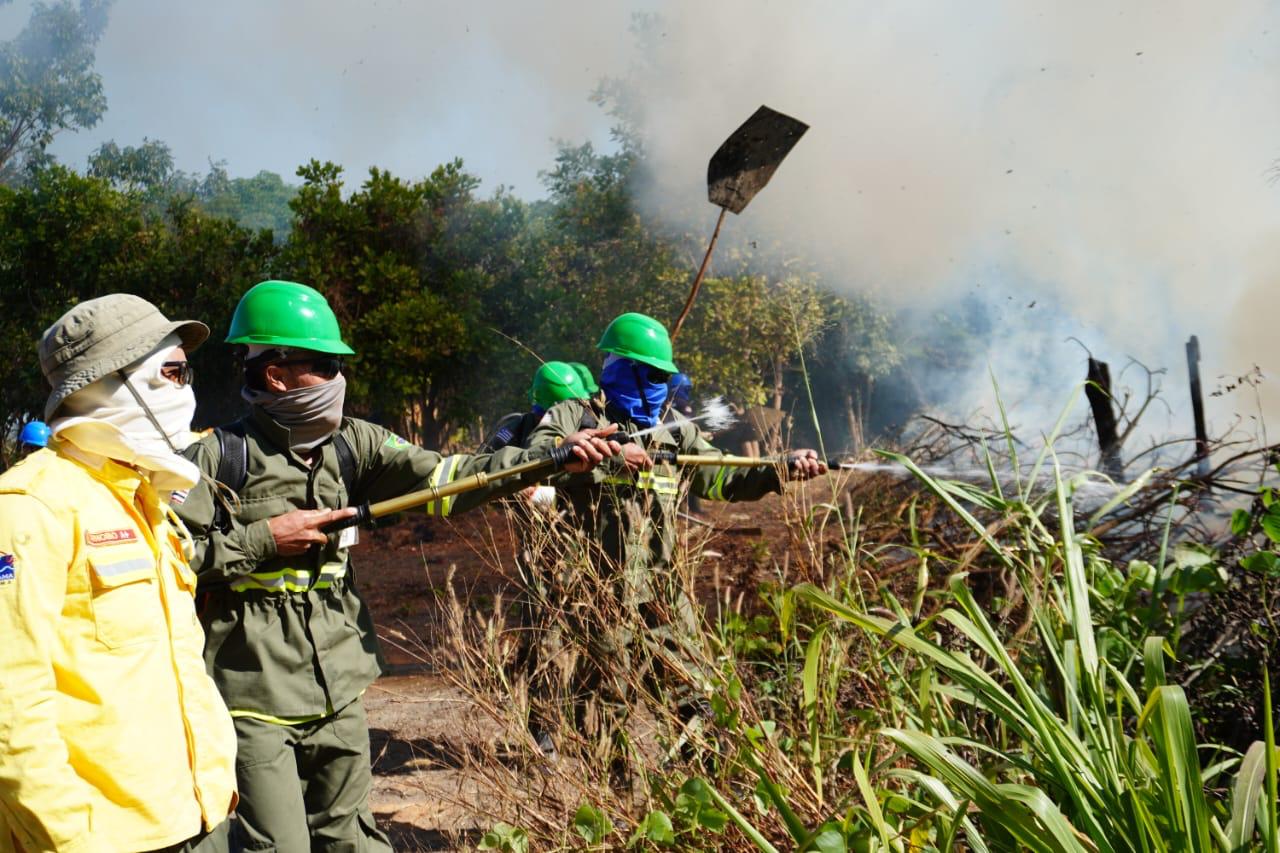
“Experiences such as the Cana Brava Indigenous Fire Brigade demonstrate the importance of strengthening local organization and bringing together traditional knowledge with tools for territorial monitoring, fire management, prevention, and emergency response.”
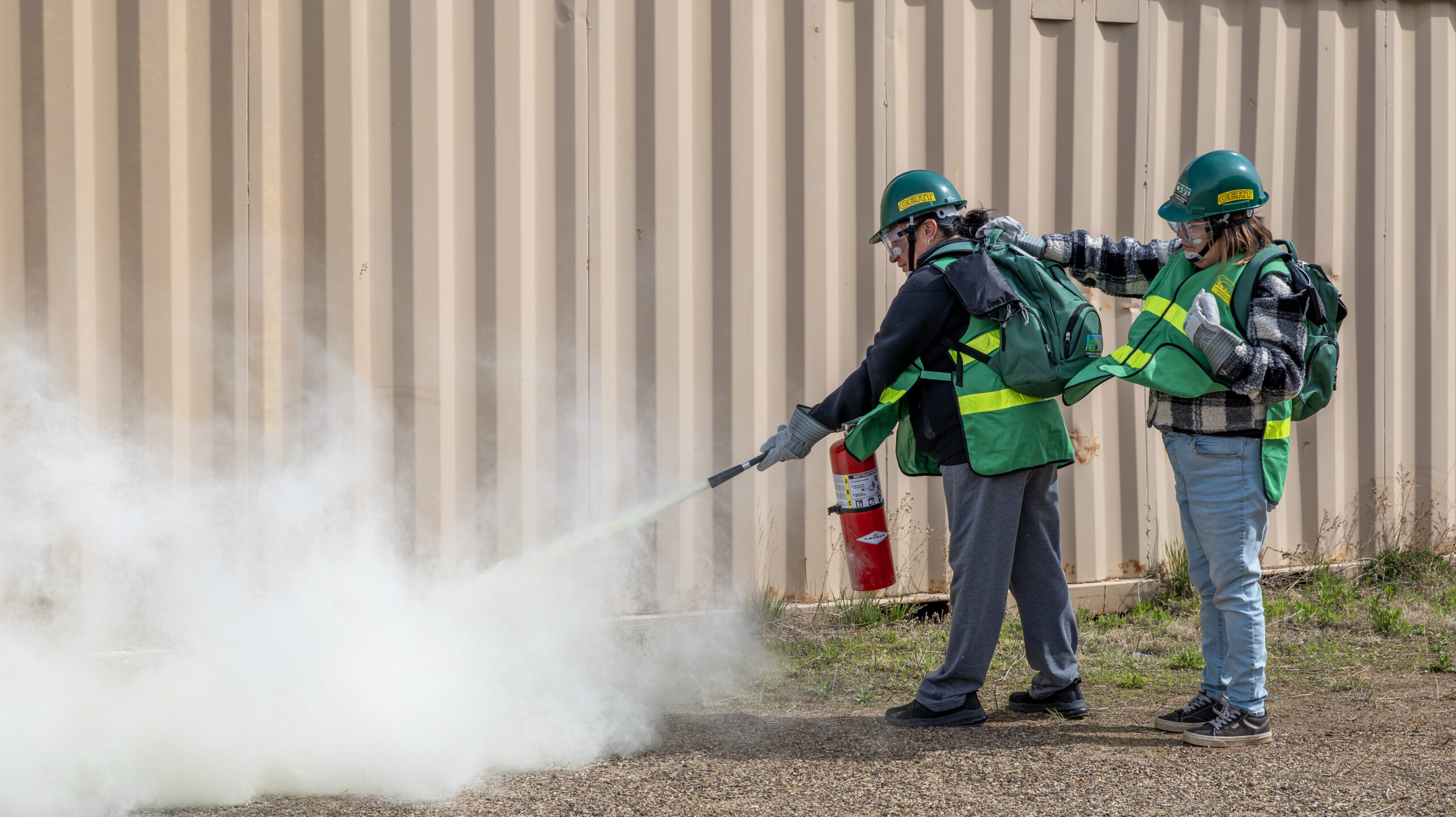
Joshua Arce of PWNA shared: “Native people have faced generations of disruption through colonization, including the loss of traditional lands, the disruption of foodways and cultural practices, and policies that have undermined Native ways of life. […] When disaster strikes, community members are often the first to respond. Our work supports Native people across all stages of life, and my hope is that we can help strengthen the capacity of communities to determine their own path forward.”
Building resilience to thrive
“Resilience does not simply mean enduring disasters and returning to previous conditions,” shared Guajajara. Instead, he offered, resilience “means the ability of Indigenous communities to protect life, territory, culture, and collective organization while adapting to increasingly severe environmental and climatic changes.”
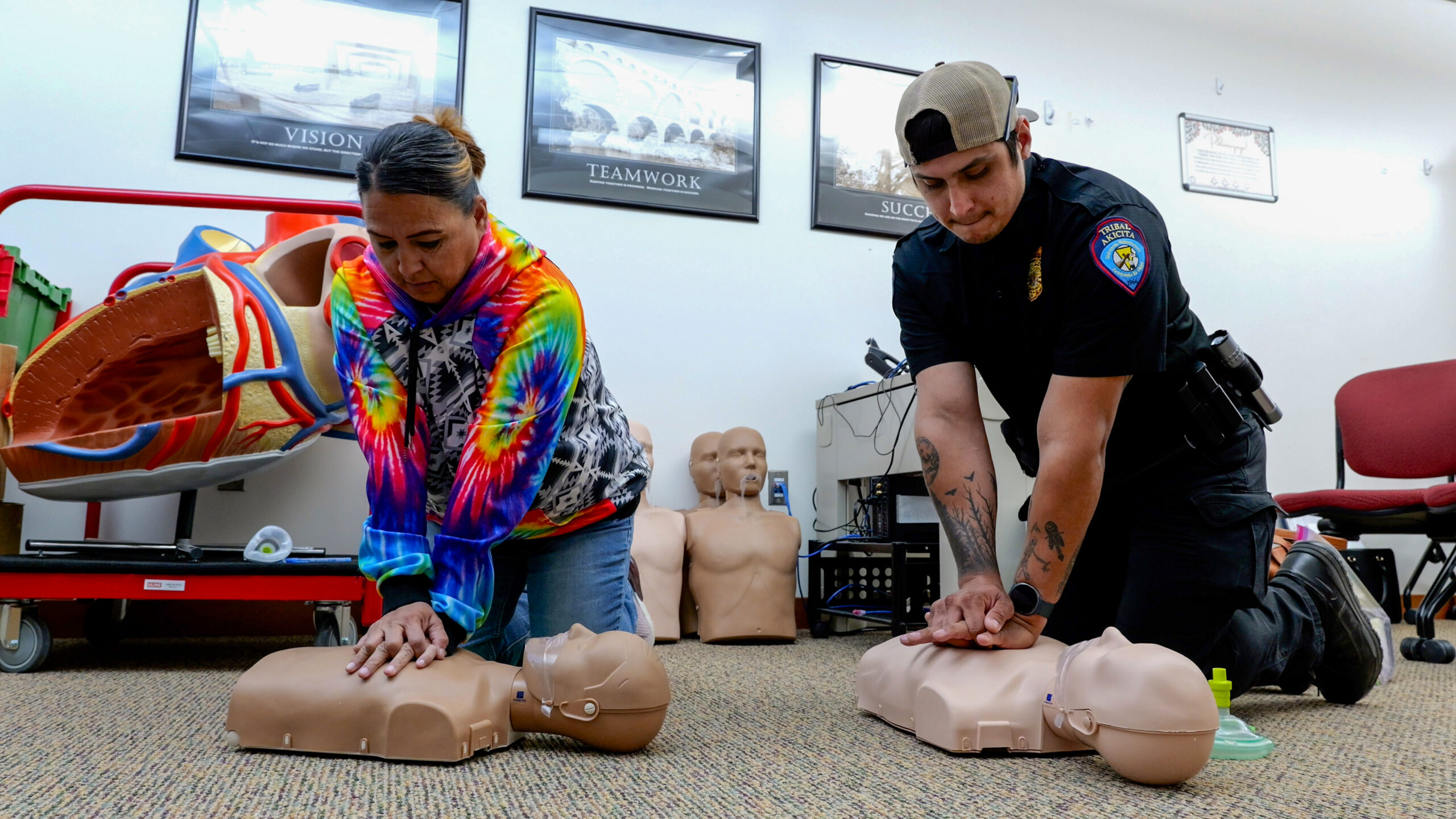
Arce added, “Resilience reflects a fundamental part of what it means to be Indigenous. It makes a difference when an auntie can perform CPR at a community event. It makes a difference when an Elder knows which resources to contact. It makes a difference when a young adult can properly dress a wound.”
It begins with listening
Both COIAB and PWNA stressed the importance of funders listening to what communities say they need and respecting their priorities. Arce shared, “When we approach this work as true partners, we recognize that the people who live in these communities are the experts on their own needs and the leaders of their own future.”
Guajajara echoed that call: “The most effective support begins by listening to Indigenous organizations and communities and recognizing their own priorities. Resources should reach Indigenous organizations directly and provide flexible, long-term support for strategies defined locally.”
Leading the way forward
Funding Indigenous-led disaster management, from prevention to preparedness to long-term recovery, supports the work already underway by people determined to preserve their cultures and lands and build a thriving future.
“Leading and taking an active role in recovery also means strengthening Indigenous autonomy and ensuring that decisions about the future of our territories remain in the hands of the peoples who live in and protect them,” advised Guajajara.
Arce sums it up: “We have witnessed firsthand that Native communities don’t wait for someone else to solve their challenges. They come together, support one another, and find ways to move forward.”
Supporting Indigenous-led solutions
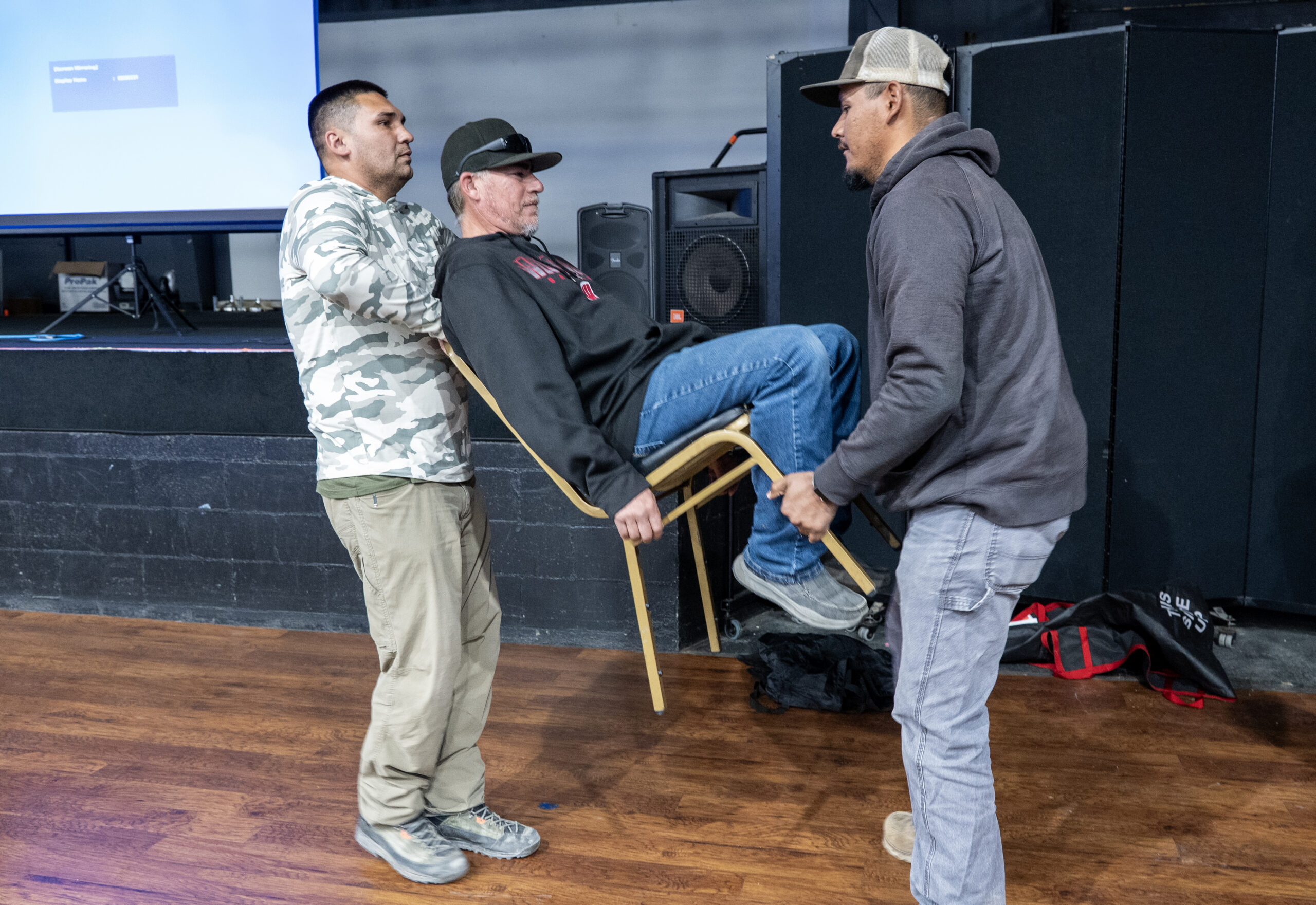
Our role as funders, said Arce, “is not to define what resilience should look like or to solve every problem on a community’s behalf.
“The best way funders and outside organizations can support Native [and Indigenous] communities is by listening to what communities say they need and then providing the resources, expertise and support necessary to help them achieve their own goals.”
Funders have the power to support Indigenous peoples all over the world, not only in recovering from disasters but also in ways that ensure they protect and preserve their lands, cultures and histories. On Indigenous Peoples Day, join us in investing in Indigenous-led organizations that are building stronger, more resilient communities on their own terms.
Laura Lynn Taylor
Domestic Funds Program Manager