
What we’re watching: Weekly disaster update, October 19, 2026
Some disasters make headlines; others do not. Here at the Center for Disaster Philanthropy (CDP), we monitor the status of disasters worldwide and compile a list of the ones we’re tracking weekly.
Here’s what we’re watching for the week of Oct. 19, 2026.
New or Emerging Disasters
Flooding – Turkey: Istanbul has experienced its worst flooding in 80 years. More rain fell in the 48 hours leading up to Oct. 15 than the yearly average for both September and October combined.
The storm caused flash flooding that dragged away people and cars, damaging at least 20,000 buildings and about 2,000 homes. At least eight people died.
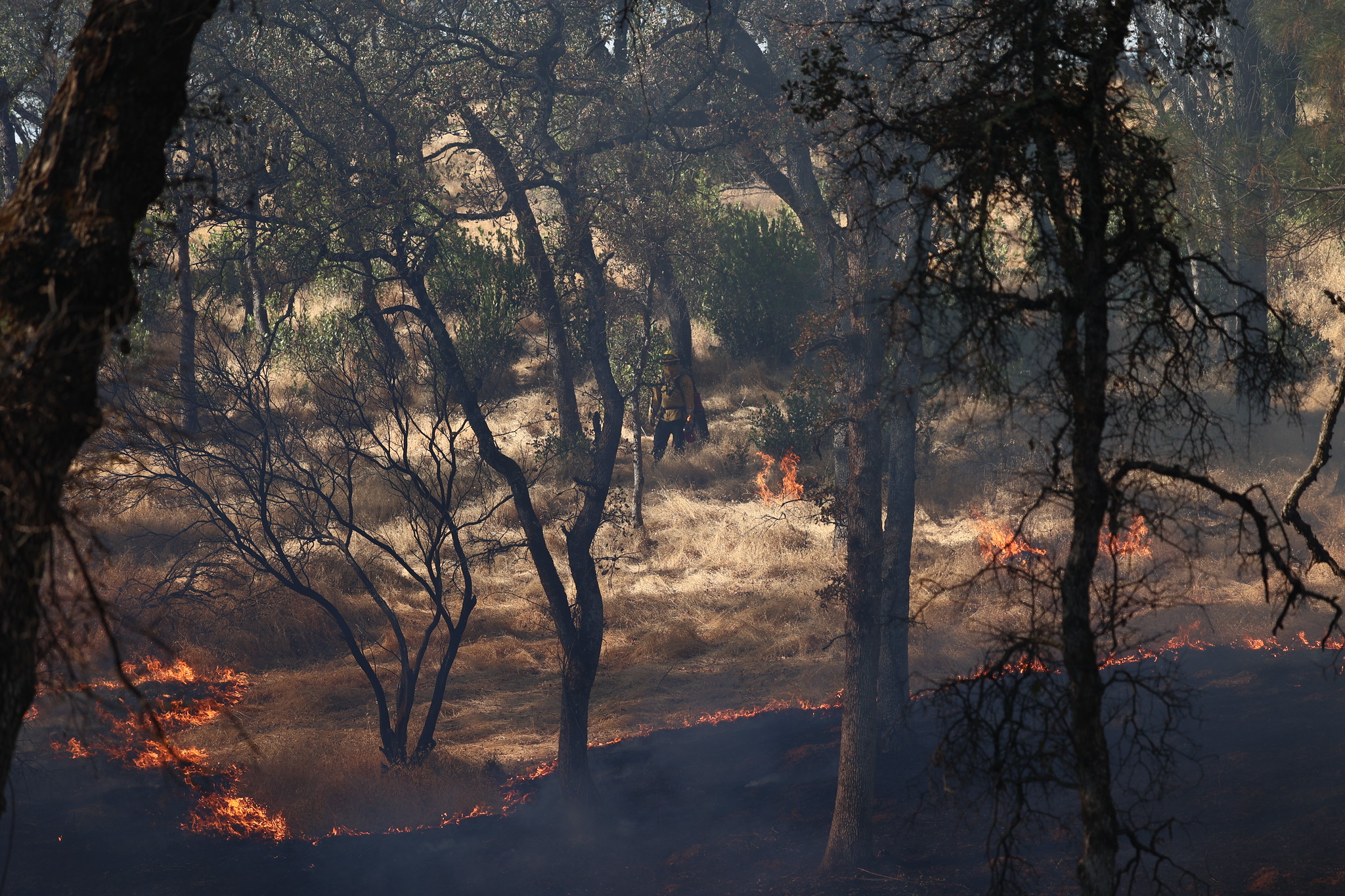
Wildfire – California: The Norte Fire ignited on Friday, Oct. 16, in Orange County and quickly exploded in size due to extreme wind conditions. At least six homes have been damaged or destroyed, and two firefighters suffered serious injuries.
After burning 570 acres, the fire was 60% contained as of Monday, Oct. 19.
Severe storm – Spain: Storm Adam brought torrential rain to the eastern Mediterranean coast on Oct. 18 and dropped 25 inches of rain in 36 hours. Approximately 800,000 people were under stay-at-home orders. At least three people died, more than 2,000 people were evacuated, and many residents were rescued by helicopters from rooftops.
Previous/Ongoing Disasters
Complex Humanitarian Emergency – Cuba: Cuba faces blackouts of up to 20 hours a day due to an energy crisis, which is disrupting water, telecommunications and health care services. The UN and WHO report more than 100,000 patients, including 11,000 children, are waiting for surgeries delayed by power outages and supply shortages.
The IFRC says that infant mortality rose from 5.0 to 9.9 per 1,000 live births between 2019 and 2025. Food production has fallen more than 50% since 2021, and UNICEF warns that outages jeopardize vaccinations for around 70,000 children.
Complex Humanitarian Emergencies – The Sahel (Cameroon)
Many places worldwide are experiencing conflict, climate change, drought, famine, economic challenges and other conditions which, when combined, create complex humanitarian emergencies (CHEs). CDP spotlights one CHE each week to spread awareness and develop a philanthropic response.
Cameroon faces a severe humanitarian crisis driven by armed conflict, food insecurity and climate-related disasters. These overlapping emergencies disproportionately affect children, displaced families and vulnerable communities.
Key facts:
- 2.8 million people were projected to face acute food insecurity between June and August 2026.
- Conflict, high food prices, disrupted farming and climate shocks undermine food production and household incomes, particularly in the Far North, Northwest and Southwest regions.
- Approximately 1.7 million people require protection assistance in 2026, particularly around forced displacement, kidnapping and more.
- In the Far North, at least 177 abductions were reported since January 2026, reflecting continued threats from armed groups.
- In the Northwest and Southwest, 2,463 schools were non-operational, leaving approximately 223,749 children out of school.
- Women and girls face heightened risks of sexual and gender-based violence, while displacement increases exposure to exploitation, family separation and unsafe shelter conditions.
- Flooding in Buea and Kumba in August 2026 displaced 6,232 people and destroyed more than 200 homes.
Hunger, conflict and climate disasters compound the vulnerability of millions of people in Cameroon. Sustained humanitarian assistance and long-term investment in protection, resilience and recovery are urgently needed.
What We’re Reading
- An increase in killings of women in Cameroon spurs protests and demands for better laws – AP News
- Antarctica’s ice loss is locked in and snowfall won’t save it – that’s bad news for low-lying coastal areas elsewhere – The Conversation
- She’s been to Gaza. She met with the Iranians. Now, she has a warning – The New York Times
A moment of hope…A new report from energy thinktank Ember reveals that global electric vehicle (EV) adoption is accelerating following Iran’s closure of the Strait of Hormuz in response to US-Israeli air strikes, which disrupted a route carrying around one-fifth of the world’s oil and gas.
Of the 56 countries tracked, 49 set records for EV sales, while China’s electric vehicle fleet has saved the country an estimated $14 billion in oil imports since the crisis began. The report highlights that countries investing in EVs are better protected from volatile oil prices, with nations such as Vietnam and Uruguay rapidly adopting the technology.

Gina DeLuca
Content Development Associate