
What we’re watching: Weekly disaster update, November 23, 2026
Some disasters make headlines; others do not. Here at the Center for Disaster Philanthropy (CDP), we monitor the status of disasters worldwide and compile a list of the ones we’re tracking weekly.
Here’s what we’re watching for the week of Nov. 23, 2026.
New or Emerging Disasters
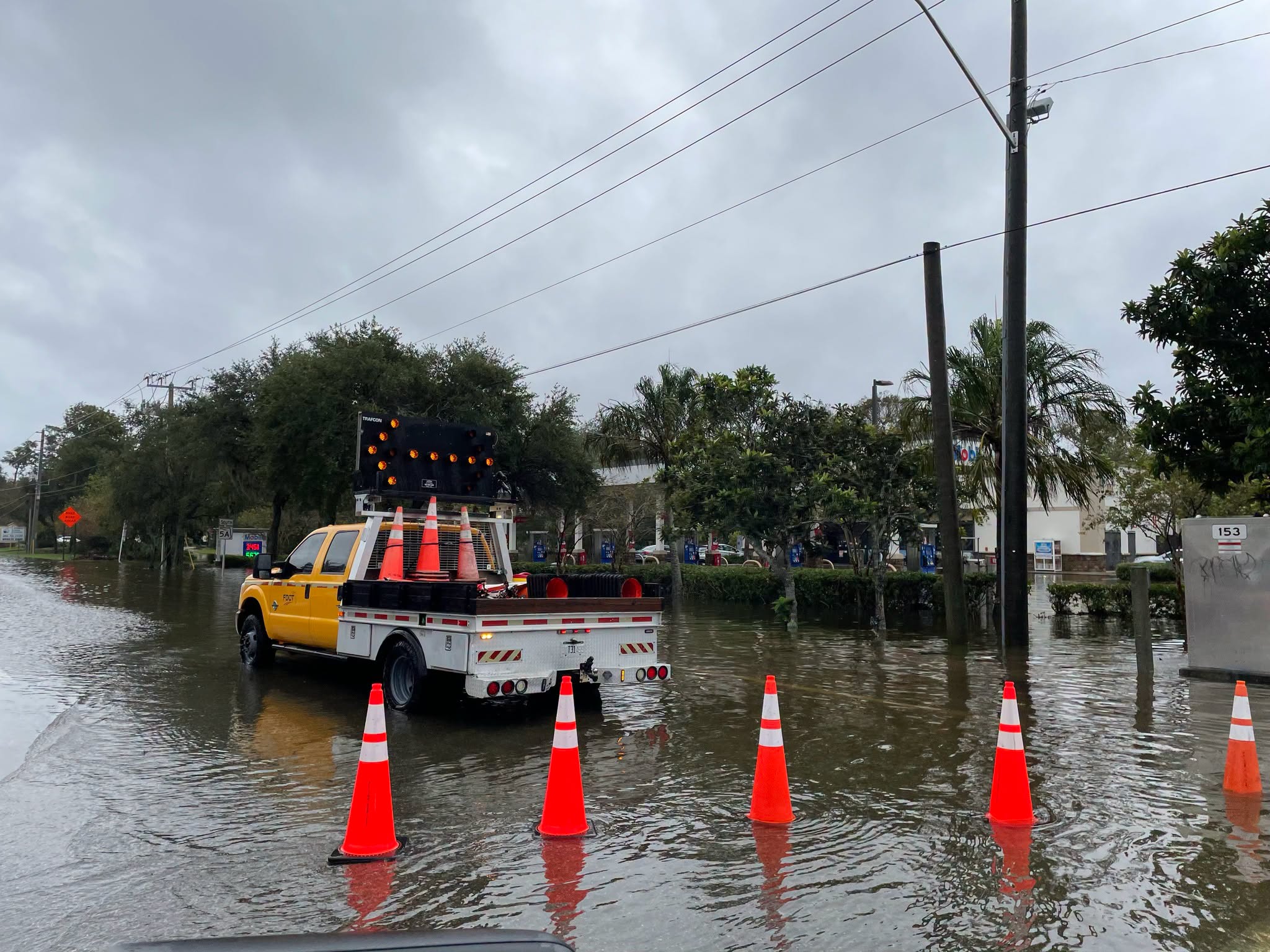
Flooding – Florida: The St. Johns River reached a record 18.68 feet on Friday, after days of torrential rainfall inundated communities across central and eastern Florida, surpassing the previous record of 17.55 feet set in 1953. The river’s water levels could continue to rise through Thanksgiving, with major flooding near Cocoa, Florida, potentially lasting through December.
The flooding has cut off road access, necessitating water rescues and evacuations. Because the river flows extremely slowly, dropping less than 30 feet over its 310-mile course, floodwaters take weeks or months to drain, leaving homes, roads and businesses vulnerable to prolonged inundation.
Flooding – Indonesia: On Nov. 22, heavy to extreme rainfall in Bali triggered flooding, landslides, fallen trees and building damage. At least two people have died, and one child remains missing.
Rainfall reached six inches in Tampaksiring, while flooding inundated roads, schools and residential areas, prompting emergency crews to conduct rescues and pump out floodwaters.
Previous/Ongoing Disasters
Disease outbreak – Florida: Florida is experiencing its worst dengue outbreak in decades, with 524 locally acquired cases recorded through Oct. 31, 2026, compared with just 62 in all of 2025. At least one person has died, and three counties have declared local emergencies.
Dengue is a mosquito-borne viral disease that typically causes flu-like symptoms but can lead to severe illness, including internal bleeding and organ complications. Experts warn that increasingly warm, wet conditions, climate change and flooding could make outbreaks more frequent and widespread in the coming years.
Complex Humanitarian Emergencies – Yemen
Many places worldwide are experiencing conflict, climate change, drought, famine, economic challenges and other conditions which, when combined, create complex humanitarian emergencies (CHEs). CDP spotlights one CHE each week to spread awareness and develop a philanthropic response. Yemen is this week’s CHE.
Yemen remains one of the world’s most severe humanitarian crises, driven by prolonged conflict, economic collapse, displacement, food insecurity and deteriorating public services. Renewed hostilities in the second half of 2026 have further increased humanitarian needs, while funding shortages and restricted humanitarian access are undermining the response.
Key facts:
- 18.3 million people face acute food insecurity.
- 2.2 million children under five are acutely malnourished.
- Approximately 1.3 million pregnant and breastfeeding women are expected to experience malnutrition.
- An estimated 90% of Yemen’s food is imported, leaving households vulnerable to supply chain disruptions and rising prices.
- Conflict, unemployment, currency depreciation and reduced humanitarian assistance are forcing families to skip meals and adopt harmful coping strategies.
- Women and children face heightened risks of family separation, exploitation, trafficking, child labor, recruitment by armed groups and violence.
- Renewed fighting along the western coast and southern Taiz frontlines has intensified since August 2026.
- WHO reported 3,672 casualties, including 674 deaths and 2,998 injuries, between Aug. 6 and Sept. 18, 2026.
- An estimated 6.2 million women and girls are at risk of gender-based violence (GBV).
- Women and girls face domestic violence, sexual exploitation, child and forced marriage, trafficking and harassment.
- Displacement and overcrowded shelters increase people’s exposure to violence.
- Only 59.3% of health facilities are fully functional.
- Approximately 14.4 million people require WASH assistance.
- Pregnant women and children face particularly severe barriers to emergency obstetric care, vaccination and treatment for malnutrition.
Yemen’s humanitarian crisis is increasingly multidimensional. Conflict, hunger, displacement, GBV and the collapse of essential services disproportionately affect women, girls and children. Sustained humanitarian funding, improved access and protection interventions are essential to prevent further deterioration.
Join us December 15
Disaster philanthropy in a changing landscape: New insights on giving, preparedness and collaboration
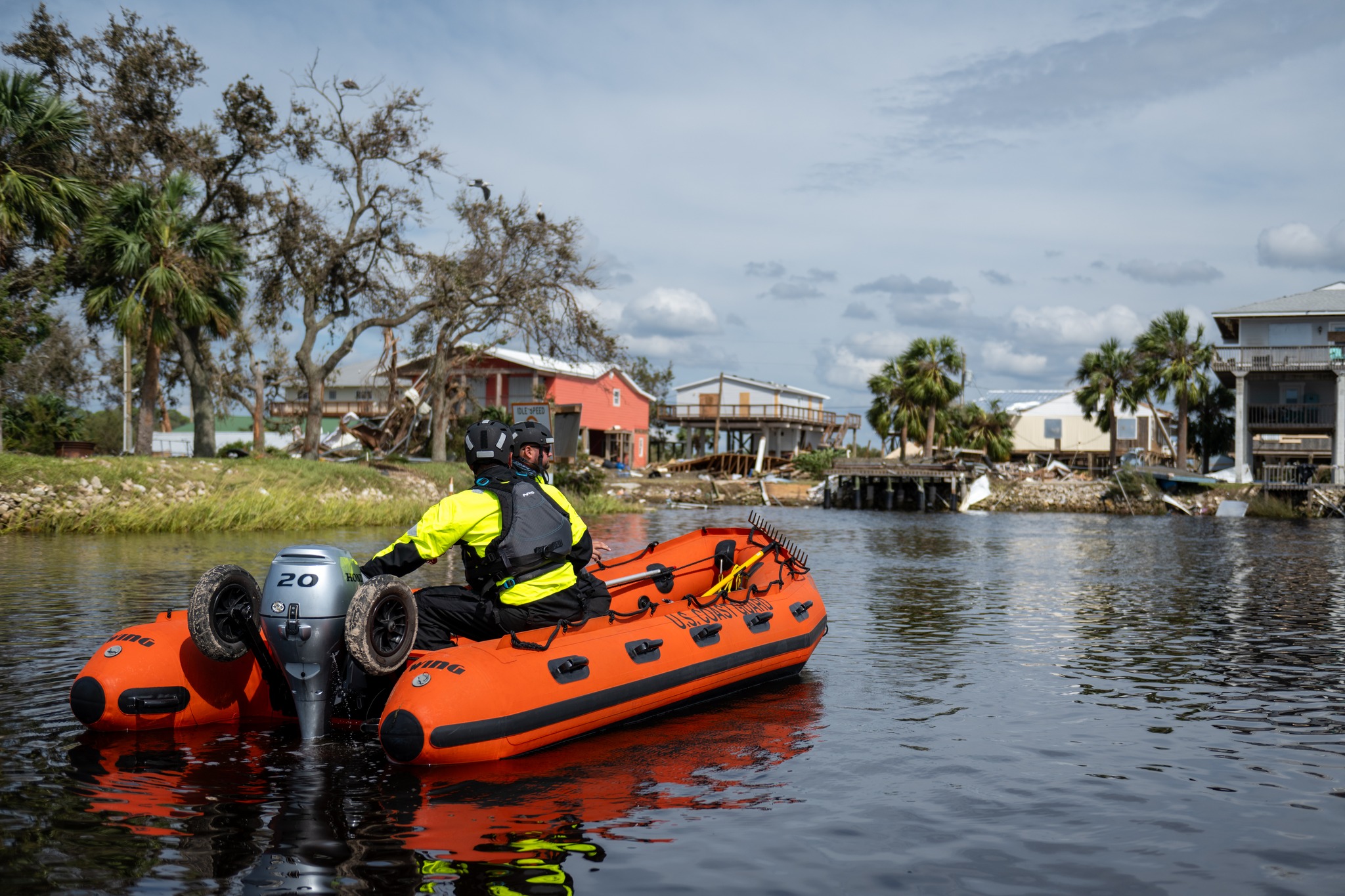 The Coast Guard conduct secondary coastline and canal searches in the wake of Hurricane Helene, Keaton Beach, Florida, Sept. 28, 2024. Photo credit: U.S. Coast Guard photo by Petty Officer 3rd Class Jaiden Hartley
What We’re Reading
-
The Making of a Global Hunger Crisis – Council on Foreign Affairs
-
Florida’s flooding déjà vu is a sign of things to come – so, who is most at risk and how can they prepare? – The Conversation
-
Global climate summit collapses as countries fail to agree on moving away from fossil fuels – CNN
A moment of hope…Hungarian Prime Minister Péter Magyar has announced a major package of women’s rights reforms, marking a departure from the policies of former Prime Minister Viktor Orbán. The proposed measures include stronger legal protections against domestic and sexual violence, criminalizing the misuse of intimate images, ratifying the Istanbul Convention, improving access to emergency contraception and menstrual products, and easing restrictive abortion requirements.

Gina DeLuca
Content Development Associate