
A very strong El Niño is here: How funders can act before the disasters do
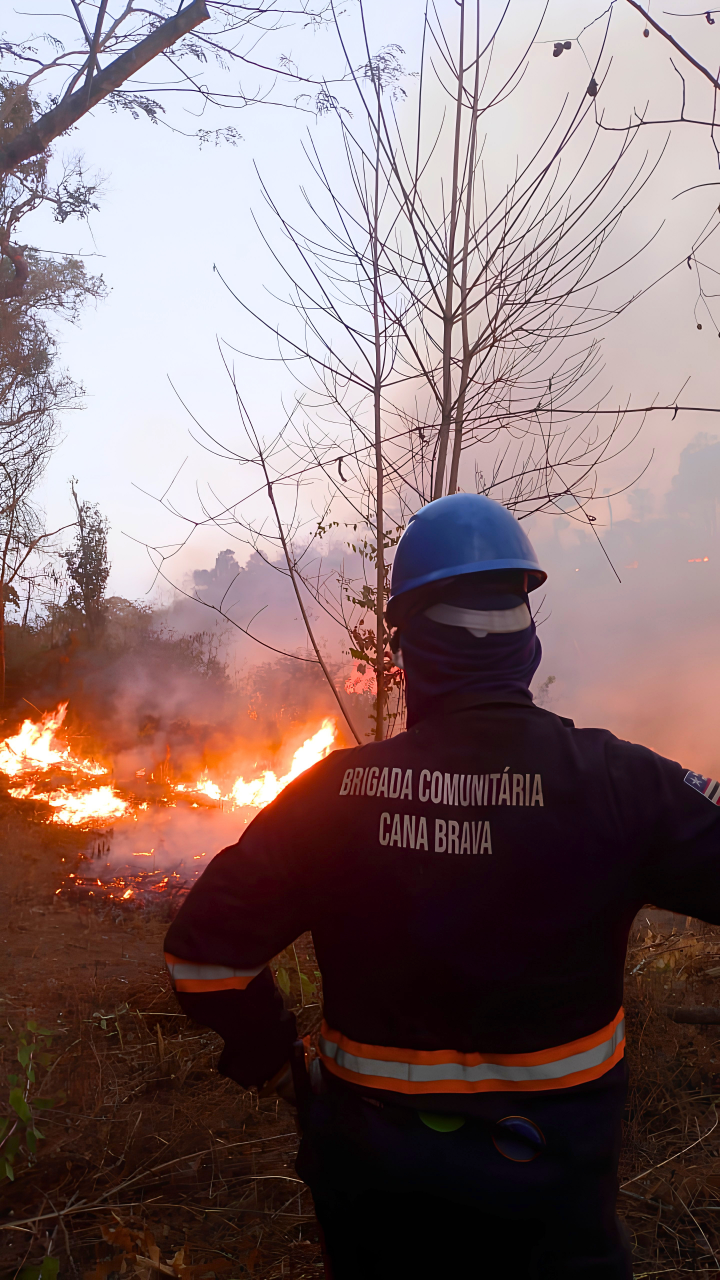
Today, as I write this, coastal communities in the U.S. are bracing for severe tidal flooding. Communities are filling sandbags, and families are packing their go-bags. In Hawaii, powerful Pacific storms and heavy rains have upended daily life. Across Asia, extreme heat has made it unsafe to sleep indoors at night. Schools are closed, and children and older people are facing growing health risks.
Different places. Different hardships. One common thread: El Niño.
Forecasters say a very strong El Niño is taking shape, and some impacts are already being felt around the world.
At the Center for Disaster Philanthropy, we often say that disasters are not defined by hazards alone. A weather event becomes a crisis when it exposes or exacerbates existing vulnerabilities, and whether people have the resources, infrastructure and support systems needed to withstand a shock and fully recover.
Unlike many disaster risks, the Super El Niño comes with advance warning. That creates a rare opportunity for philanthropy.
Why this El Niño needs our attention
The concern is not simply that this El Niño may be very strong, but that it is arriving at a time when many people are already under strain.
Communities where repeated storms, droughts, and heat have worn down the ability to maintain livelihoods and health are the very places where El Niño-driven weather events can have a disastrous impact. In the Yakima Valley, a farmworker family whose home does not have air conditioning may spend a record-hot week sleeping in a parked car, losing wages whenever the fields close for heat and smoke from wildfires the dry winter helped fuel.
In small tribal and rural towns along the Washington and Oregon coast, a winter of battering storms can wash out the one road to the nearest clinic, leaving elders and people with chronic illness cut off, while a thin snowpack means less summer water for the salmon and crops they depend on.
Areas we are watching closely
Based on typical weather patterns, in the next year, there will be a highly increased risk for:
- Drought: Southern Africa, parts of East Africa, Central America’s Dry Corridor, parts of Southeast Asia and Australia and the US Mountain West and Plains states.
- Severe storms and flooding: The Pacific coast of North and South America, parts of East Africa, Asia and parts of the southern and pacific U.S.
- Health impacts: disease outbreaks tied to rainfall and temperature shifts, such as dengue, cholera and malaria.
- Extreme heat and wildfires: North and South America, Asia and the Pacific.
In addition to these fluctuating impacts in different parts of the world, food security experts are forecasting a food security crisis around the globe in 2027. They are anticipating disruptions to supply chains, price spikes for fuel and fertilizer and El Niño-driven disruptions to weather patterns, lowering production. Smallholder farmers around the world and their communities are likely to be among the hardest hit.
Lessons from Ethiopia
I have worked on a variety of humanitarian emergencies that were heavily impacted by El Niño. One that has stayed with me is the intense drought in Ethiopia in 2015–2016.
While droughts are normal in this part of the world, this one was unprecedented by its scale and severity. This meant that over 10 million people needed food assistance. Over 2 million children required treatments for acute malnutrition, which, if survived, has a lifelong impact on their health. El Niño was a significant contributor to the weather that produced drought and the resulting food and water shortages.
The foreign assistance programs that have intervened in the past ahead of El Niño have been eliminated or significantly reduced, putting many behind in their ability to prepare and recover.
What CDP is doing now
The warning signs are visible, so we are supporting preparedness and recovery efforts. Preparedness programs – such as those that provide information about weather hazards and ways to stay safe – allow people to protect what they depend on. Recovery programs support families to rebuild afterward, such as through cash transfers, housing and shelter rehabilitation and the replacement of seeds and tools.
For example, we are making grants to locally led organizations in the Amazon that will support community-based preparedness efforts and help mitigate the impact of drought and wildfires. In East Africa, CDP’s grants will provide communities with early information about weather forecasts so that they can make sound decisions and access assistance to support early actions to protect their lives and livelihoods. Taking these actions now will reduce the impact.
In the US, CDP is supporting organizations in the Pacific Islands as they prepare for the increased impacts of typhoons and hurricanes throughout the region. CDP grantee partners in California are working to prepare their communities and organizations for potential extreme flooding and other impacts.
These and many other similar efforts share a common goal: Help communities prepare and avoid the worst outcomes.
What can philanthropy do now?
Funders do not have to wait to make a difference. There are meaningful actions philanthropy can take today:
- Provide funding for preparedness and recovery now, so communities can prepare and act on forecasts before disasters strike, reduce harm and start recovery sooner.
- Support local and community-led organizations that know the context and can move fastest.
- Keep flexible, multi-year funding available, because El Niño impacts unfold over months and affect different regions at different times.
- Coordinate with other funders to avoid gaps and duplication.
The impacts of this El Niño are already being felt by communities here in the US and around the globe. The early warning signs are giving us an opportunity to act now – by doing so, we can be prepared and make a difference in lives around the world.
You, too, can help communities worldwide prepare for the Super El Niño and other extreme weather events by supporting CDP’s Disaster Preparedness Fund.
Tracy O’Heir
Program Officer, International Funds