
Climate-driven disasters are here: How we recover will determine how we prevent the next disasters
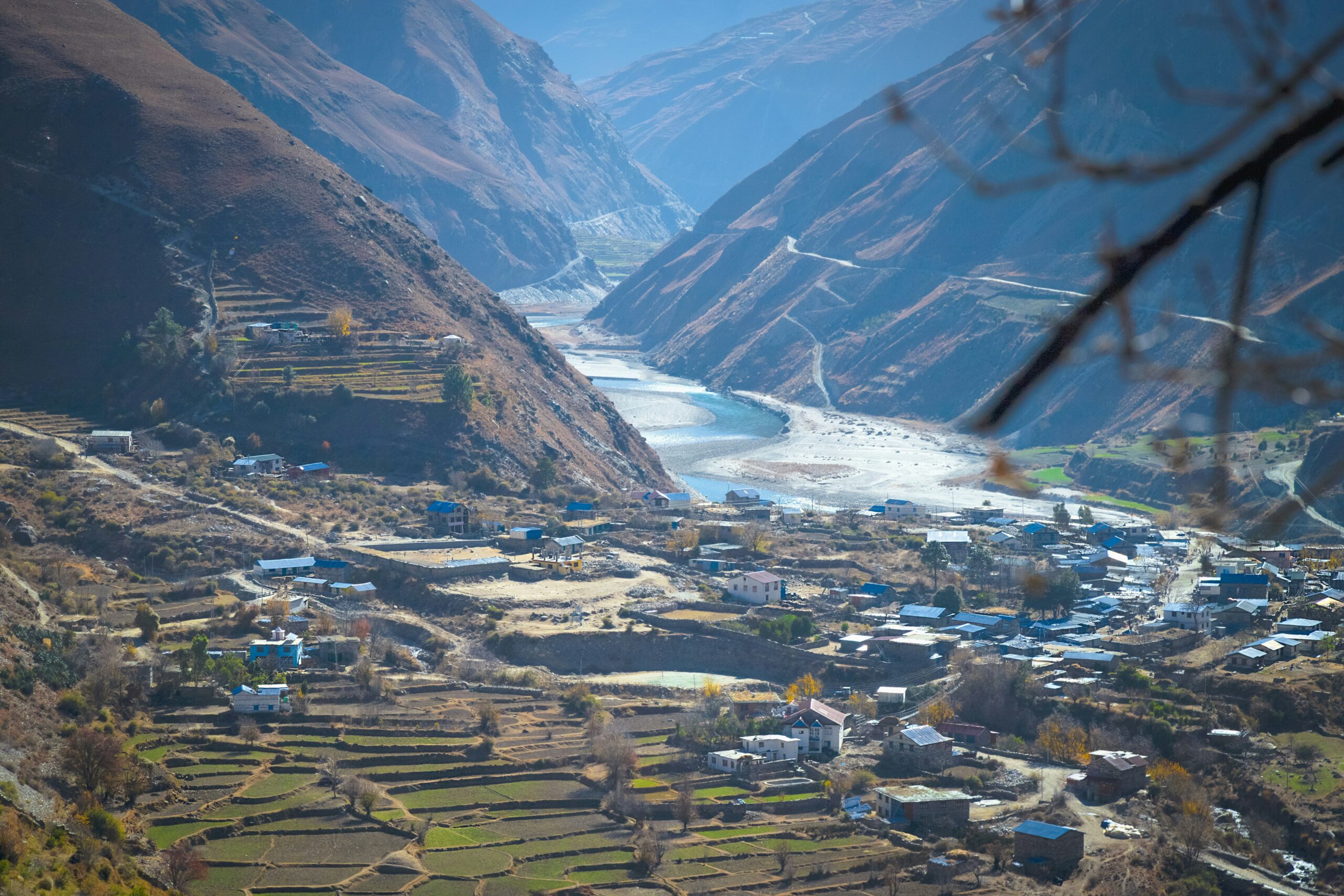
The catastrophic flooding that swept through the Nepal-China border region last week is one of the deadliest climate-related disasters in the Himalayas in recent memory. In a matter of minutes, entire villages were overcome by water, mud and debris that destroyed communities, washed away roads and bridges, and took the lives of hundreds, with thousands of people still missing.
The heartbreaking tragedy is unfolding in Nepal, but its lessons apply far beyond the region: How we need to respond to this disaster and reduce the impacts of the next one.
Growing threat from climate-driven hazards
The disaster began when a massive block of ice reportedly broke off a glacier in the Himalayan Mountains and fell 3,900 feet to the valley floor on the border of Nepal and China’s Tibet region, triggering a deadly avalanche and flooding downstream.
Unfortunately, climate-related hazards and the disasters that result from them will become more common. Glacial melt in the Himalayas is increasing as the region’s temperatures rise. Additionally, monsoon rains are expected to exacerbate flooding, causing disasters upon disasters. Last week’s destruction of bridges and roads demonstrates how extreme weather and environmental events become disasters when they overwhelm the people and infrastructure in their path. Oftentimes, their effects are magnified by long-standing challenges, such as poverty, geographic isolation, limited resources and underinvestment in infrastructure that leave some communities with few options for recovery.
Recovery and resilience are inseparable
Too often, philanthropy approaches disasters in neat phases, with similarly neatly divided funding pots. Our largest gifts often arrive quickly in the immediate aftermath of a disaster, when media attention is high and human suffering and destruction are most visible. But even as attention fades, the hard work is just beginning.
For survivors, the needs do not occur in neat stages. It’s all happening, all at once and for a long time. Families trying to secure temporary shelter are also thinking about how to rebuild their homes and protect themselves from future floods. Communities are working to rebuild schools and hospitals while preparing for the next monsoon season. Local leaders are addressing immediate needs while making decisions that will shape their villages’ recovery and resilience for years to come.
The most effective disaster giving recognizes that resilience and recovery are inseparable. It invests in recovery today and helps communities be better prepared for the next climate hazard if and when it happens.
At the Center for Disaster Philanthropy, we believe that preparing for and responding to climate hazards starts by supporting community-led recovery. Local organizations, cooperatives, community groups and municipal institutions will remain long after emergency responders leave. They know best what their community needs and how to best address these challenges.
It also means investing beyond immediate relief. Restoring livelihoods, rebuilding schools and providing access to health care are essential to helping communities recover. So are nature-based flood management, early warning systems and flood-resilient housing that help reduce future risk, especially for vulnerable populations.
And these all take time, commitment and resources. Long-term, flexible support enables organizations to respond to their communities’ evolving needs, strengthen their social networks and build capacity over time. This approach is particularly important in Nepal, where geography and remoteness can make locally rooted organizations the most effective and sustainable actors.
Shifting from response to prevention
Philanthropic response to disasters has largely been event-driven rather than focused on prevention or mitigation. In a world where climate change is significantly amplifying the effects of disasters, donors need a new playbook. By simultaneously investing in disaster recovery and climate resilience, philanthropy can help reduce the human toll of a warming world rather than simply responding after devastation has already occurred.
For survivors of Nepal’s flash flooding, the disaster doesn’t end when the water recedes. Families and communities will be rebuilding long after the news cycle has moved on. They need immediate critical assistance today, and they’ll need our support for what comes next in the months and years ahead. By investing in their local leadership, resilience and rebuilding, philanthropy can help communities recover with dignity today while reducing risks from future disasters.
Join CDP’s effort to support recovery and climate resilience in Nepal through our Global Recovery Fund.

Sharad Aggarwal
Vice President, Fund Management & Coalition Building