
How philanthropy can help close the gap in Ebola response
As of Aug. 19, the Ebola outbreak in the Democratic Republic of Congo (DRC) has caused 5,021 confirmed cases and 2,378 deaths. The trajectory of new infections and fatalities indicates that the outbreak is spreading nearly three times faster than the 2014-2016 Ebola epidemic, the deadliest on record.
Unlike previous Ebola outbreaks, the international response has not matched the scale or urgency of the crisis. Reductions in international assistance have weakened surveillance systems, outbreak preparedness and health infrastructure across the region, while conflict, displacement, community mistrust and the lack of approved vaccines or treatments for the Bundibugyo strain are further hampering efforts to contain the outbreak.
During a recent crisis briefing, CDP’s local partners from Bunia and Ituri Province at the epicenter of the outbreak shared a key takeaway: Even as needs continue to grow amid fewer resources, local organizations are carrying more responsibility, saving lives and helping their communities navigate a path toward a more resilient future. Philanthropy plays a key role in helping to close the gap.
What philanthropy can do now
Funders have a critical opportunity to invest in areas that are both urgent and consistently underfunded. Local partners offered the following advice to funders:
- Provide flexible, long-term funding so local organizations can adapt as conditions change. Partners emphasized the importance of funding that is not tied to very specific activities but can be directed to efforts within the community, such as education, training and surveillance that are critical to stemming the outbreak.
- Invest directly in grassroots organizations that have earned the trust of affected communities, including community-based organizations, hospitals, women’s organizations, faith and community leaders. These trusted messengers are best positioned to overcome distrust and resistance to public health messaging and outbreak measures.
- Strengthen community engagement by funding risk communication, social mobilization and behavior–change efforts to combat misinformation and stigma around the disease. For example, partners are conducting education sessions in churches and communities to explain what Ebola is, how it spreads, prevention measures, symptoms and when to seek medical care.
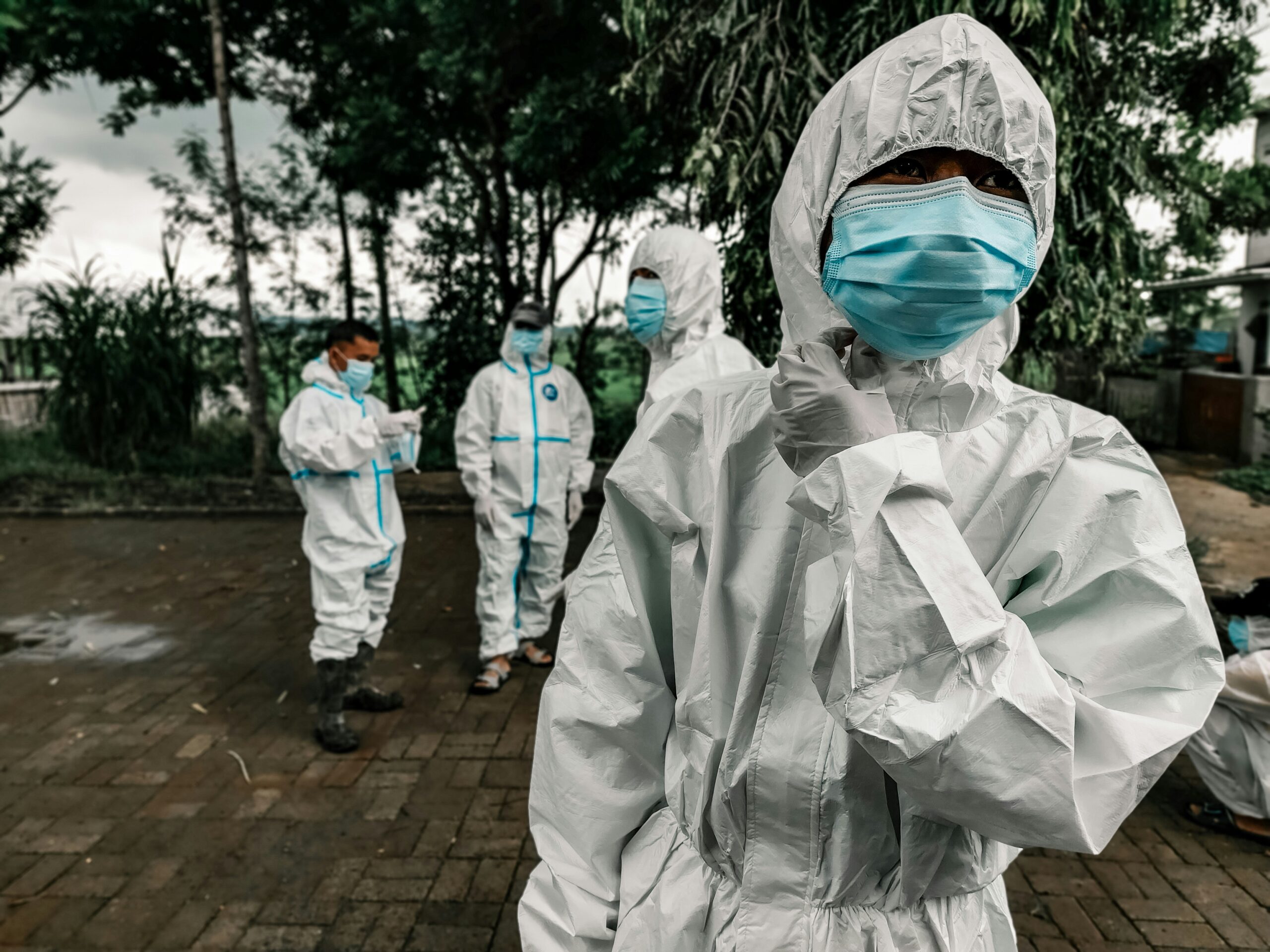
- Protect frontline health workers by funding personal protective equipment and strengthening local health systems. As one partner noted, “Healthcare workers understand what needs to be done, but they often lack the resources necessary to provide the level of care that patients require.”
- Maintain essential health services, including maternal health, primary care, mental health services and psychosocial support. Hospitals continue treating patients with many other illnesses, including measles and chronic diseases, while supporting Ebola treatment and outbreak containment.
- Support women and caregivers by investing in livelihoods, protection and women-led organizations that strengthen social cohesion and community resilience.
Just two months after the Ebola outbreak first hit international headlines, it is clear that this epidemic is testing a new reality for global health emergencies. In the context of shrinking humanitarian resources and external funding, local leadership is no longer a complement to international efforts. In many ways, the local response is the foremost response. Turning the tide on this outbreak will require sustained investment in local organizations and trusted community leaders at the frontlines. Strengthening their capacity is one of the most effective and sustainable investments that philanthropy can make.
Watch the webinar recording to learn more:

Natalie Chang
Director, Innovation & Special Projects