
Making space to notice: Reflections on a sabbatical, leadership and the value of stepping away
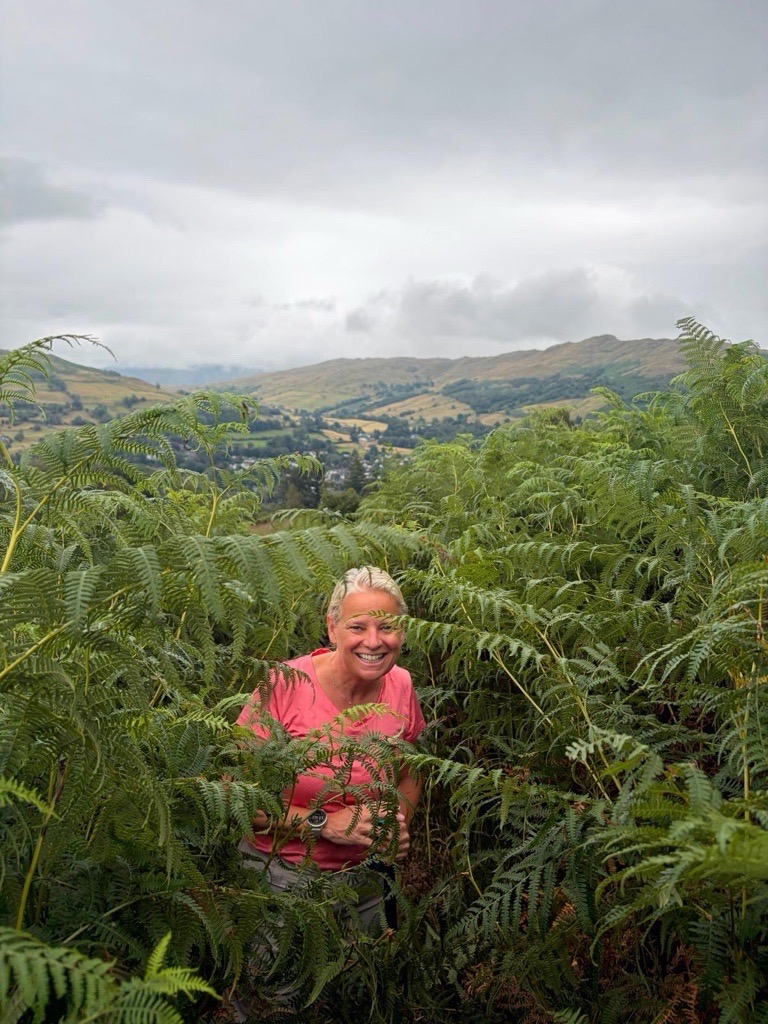
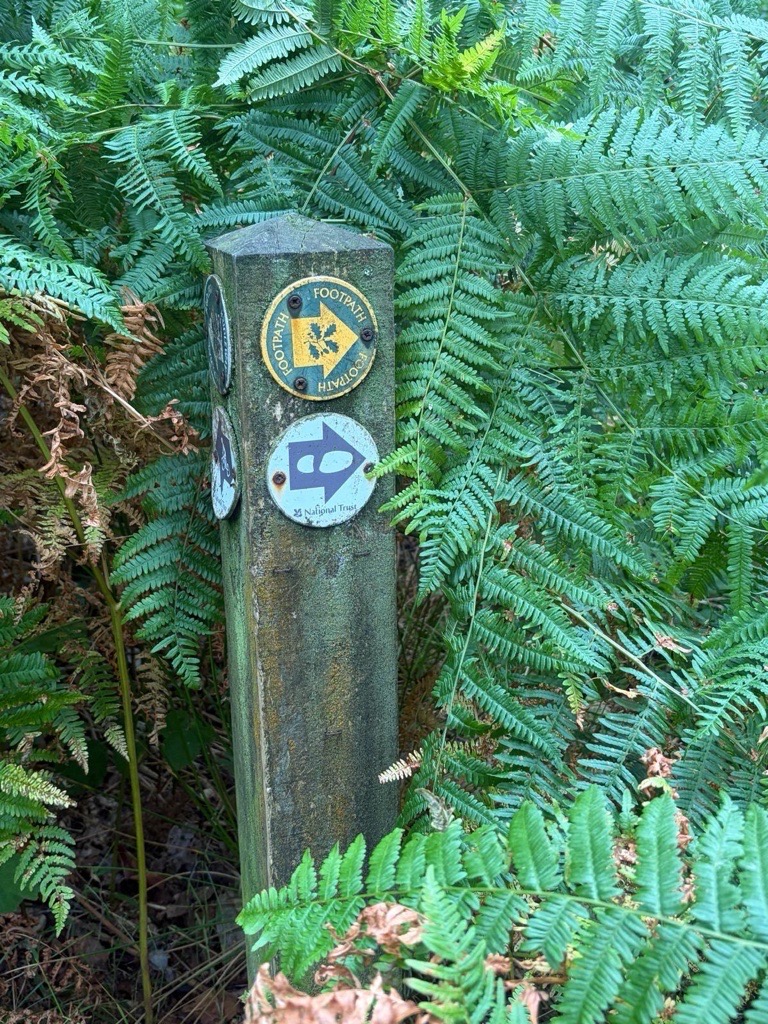
On a hike in England’s Lake District this summer, my youngest son and I found ourselves following a route that looked clearer on the map than it did on the ground.
Enormous ferns obscured the path. We had a general sense of where we needed to go, but getting there required navigation, trust and a willingness to keep moving even when the way forward wasn’t obvious.
It was fabulous. I’ve thought about that hike quite a bit since.
In June, I took a four-month sabbatical from my role as president and CEO of the Center for Disaster Philanthropy (CDP). I had plans: spend time with family and friends, travel, hike, train for HYROX Tampa and make meaningful progress on a book that had been waiting for my attention.
But I also wanted something harder to define. After more than three decades working in humanitarian response, community development and philanthropy, I wanted space from the daily urgency of leadership that I’ve grown accustomed to: the planning, responsibilities, deadlines and decisions. There is always something that needs attention, particularly in a field where the consequences of inaction can be significant.
I wanted time to think, explore and see things from a different perspective.
Having time without that daily urgency was both unfamiliar and wonderful. And what I stayed with most wasn’t always what I planned.
Some of my favorite experiences came from reconnecting with people from different chapters of my life. Friends from my years spent overseas. Family members I hadn’t seen in far too long. Conversations that resumed easily despite the years apart.
I’ve spent much of my life moving between countries, organizations and communities. Along the way, I’ve been fortunate to build relationships with extraordinary people. But careers and families move forward, geography intervenes, and the people who helped shape us can become less present in our daily lives.
This summer reminded me that those connections don’t disappear simply because we aren’t regularly together. They remain part of who we are. And they deserve our attention.
The time away also gave me the opportunity to explore ideas that had been percolating for years.
I’ve long wanted to write a book, and the sabbatical finally gave me the space to do more than think about it. What began as an exploration of lessons from my humanitarian and philanthropy career evolved into something broader: a consideration of what the ”love of humanity” actually requires of us.
It has been an opportunity to revisit experiences and assumptions, including my own, and to think about how we translate care for others into meaningful action. I’m far from finished, but the process has challenged and energized me in ways I hadn’t anticipated.
Most importantly, the sabbatical gave me the opportunity to step away and trust others.
That sounds simple enough. But when you’ve spent years building and leading an organization, stepping out of the day-to-day requires a conscious decision to let go. To trust the people, the systems and the shared direction you’ve worked to establish. And to recognize that being a good leader doesn’t mean being involved in every decision.
I knew CDP was in capable hands. What I hadn’t fully anticipated was how meaningful it would be to return and see that confidence affirmed.
I came back to an organization that had continued to perform exceptionally well. Colleagues had stepped up, leaned in and kept the work moving forward. But what impressed me most wasn’t simply what they accomplished. It was how they accomplished it.
In my first week back, I met with staff who had joined CDP during my absence. They spoke consistently about the strength of our organizational culture, the clarity of our strategic direction and the attention paid to our values. These were people who hadn’t worked with me before, describing the organization as they experienced it.
I also heard repeatedly about the cohesiveness of our executive team. Leaders had worked collaboratively, supported one another, navigated challenges and maintained a shared focus on our mission.
That doesn’t mean there weren’t disagreements or difficult decisions. There always will be. But how people navigate those moments says a great deal about an organization’s culture and the clarity of its strategy.
I felt enormously proud.
Over the past six-plus years, we’ve invested tremendous effort in strengthening CDP. We’ve worked on our strategy, structures, processes and, perhaps most importantly, our culture. We’ve challenged assumptions and invested in creating an organization grounded in shared values and collective responsibility.
To return and hear those commitments reflected so consistently, especially by colleagues who joined while I was away, was the clearest confirmation of our success that I could have hoped for. It was evidence that the culture we’ve worked so hard to establish is becoming deeply ingrained in how the organization operates, rather than depending on the presence of any one individual.
And that’s worth celebrating.
It is also worth remembering that culture is never finished. It requires continued attention, investment and a willingness to recognize where we can do better. Strong organizational cultures aren’t built once and then left to sustain themselves. They are reinforced through everyday decisions, relationships and behaviors.
I’m grateful to our board for supporting this opportunity and to my colleagues for not simply maintaining our momentum but demonstrating the strength of what we’ve built together.
As I settle back into work, I don’t claim a grand revelation or an entirely new direction. I return with a renewed appreciation for relationships, trust, curiosity and the importance of making space to notice what can disappear beneath the pressure of getting things done. Over the past two years, we’ve witnessed significant disruption to the U.S. government’s role in disaster response and global humanitarian assistance. Last Tuesday’s election results signal a desire for change among voters, but what that change will mean for the future of disaster recovery, humanitarian aid and our work at CDP remains to be seen.
Back in the Lake District, the well-marked trails gave us efficiency and confidence. The overgrown ones gave us discovery.
I’m glad we experienced both.
And that’s what I hope to carry forward most: the confidence to trust the path we’ve built, while remaining open to what we might discover when we venture beyond it.
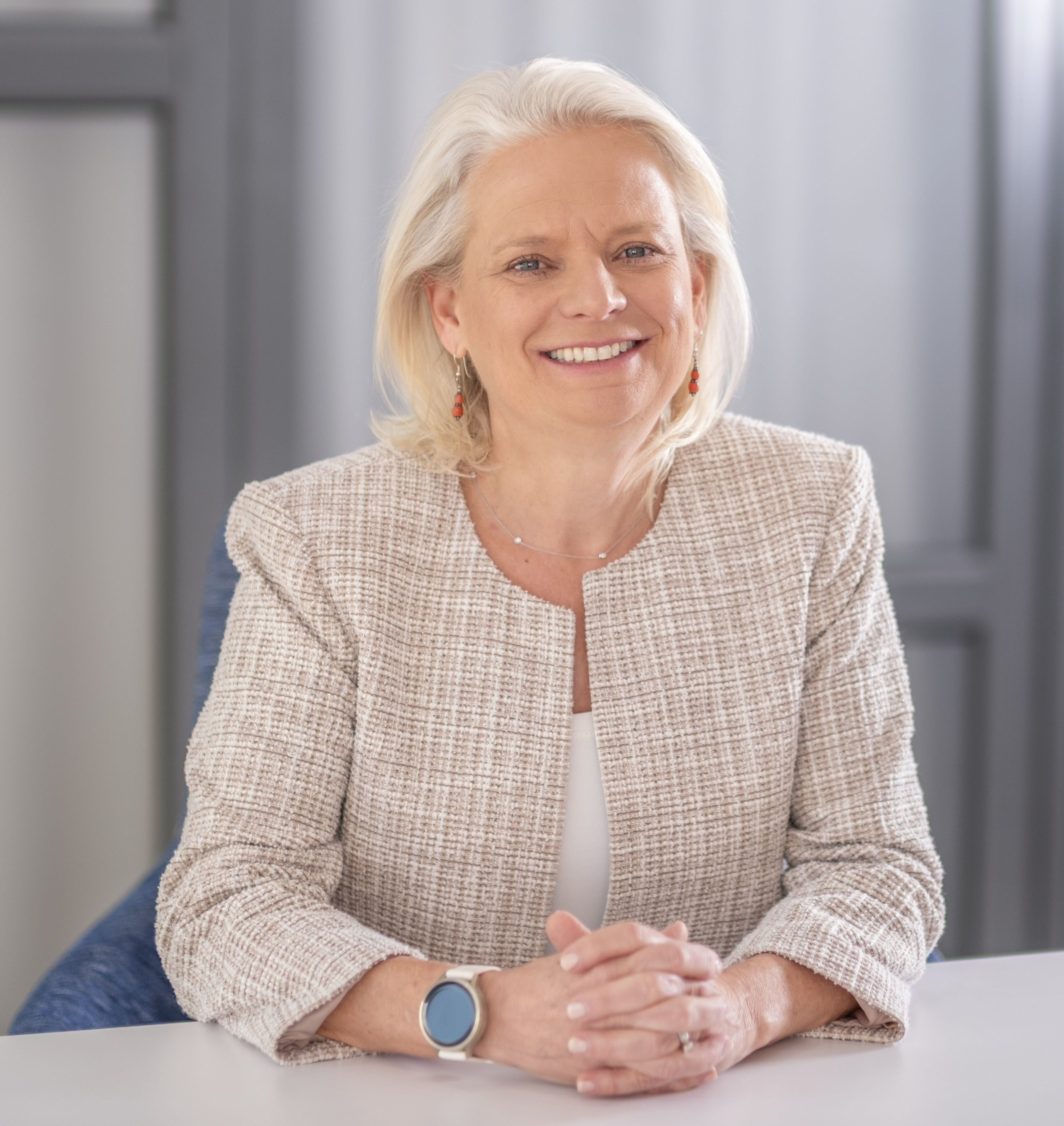
Patricia McIlreavy
President and CEO