
Solidarity as a verb: Reflections from a trip to Nairobi
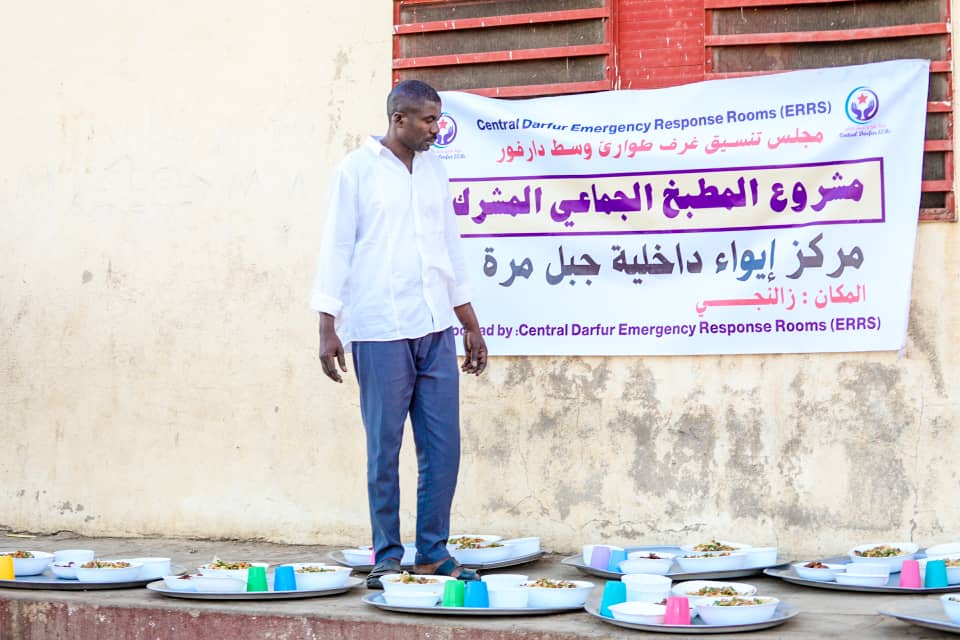
Funders for Mutual Aid in Sudan steadfastly supports local groups across Sudan, leaders who continue to sustain life, connection and community under some of the most complex and challenging conditions in the world. Last month, I had the opportunity to meet with some of these leaders in Nairobi and listen and learn with them. The conversations were grounding and humbling, and they reinforced the importance of continued solidarity.
A truth became clear to me through these conversations: Solidarity isn’t just about how much we give, but how we give it.
Deep listening as a practice
One of the most important lessons from the trip was the value of deep listening. Not the kind that happens in formal consultations or pre-scheduled calls, but the listening that happens in long conversations over tea and coffee, in pauses, in the moments where partners feel safe enough to share what keeps them going and what keeps them up at night. This form of deep listening is a crucial component of mutual aid work.
“Deep listening, for us, is an ongoing practice of trust – where local perspectives are not only heard, but thoughtfully reflected in decisions and actions,” shared a volunteer from the emergency response rooms (ERRs).
Mutual aid groups in Sudan (ERRs, neighborhood committees, women-led teams and youth organizers) have survived through listening to community voices. They listen first, and their actions flow from that understanding. Their work is grounded in relationships, not log frames. This type of listening is not simply a value; it’s a methodology.
For donors, adopting deep listening means:
- Slowing down to understand lived realities.
- Allowing partners to define priorities and timelines.
- Interpreting “need” not through a funder lens, but through a community one.
It means internalizing that our proximity to the crisis is intellectual, and our partners’ proximity is lived. We must listen accordingly.
Solidarity is a verb
Perhaps the most powerful reminder from the trip was that mutual aid is built on collective humanity, a principle that we can all consider.
“Solidarity becomes meaningful when funders walk alongside communities with patience, humility and a willingness to learn,” explained a volunteer from the ERRs.
Solidarity in this context isn’t about messaging or branding but about:
- Standing with partners even when visibility is low, news cycles move on or geopolitical attention shifts.
- Flexible reporting that doesn’t burden groups that are already stretched thin.
- Grantmaking that adapts when conditions change. Rigid funding doesn’t fit a context as fluid as Sudan’s. Flexible, trust-based grantmaking does.
- Providing space for local leaders to determine what activities are most appropriate.
This is the kind of solidarity that mutual aid groups in Sudan model every day. It is bottom-up, relational and deeply human. And it is something the philanthropic community can learn immensely from.
Looking ahead
As the crisis in Sudan evolves, our coalition remains committed to supporting community-led responses with humility, adaptability and respect.
Our partners reminded me in Nairobi that mutual aid is not simply a response mechanism, but a worldview. One rooted in care, autonomy and the belief that communities are not just recipients of aid, but the architects of their own futures.
Philanthropy has an opportunity to match that worldview with resources, flexibility and genuine solidarity. The more we learn from mutual aid groups, the closer we get to a model of funding that truly honors the dignity, knowledge and leadership of those on the frontlines.
Want to learn more about how to get involved with Funders for Mutual Aid in Sudan or how to provide funding in Sudan? Contact sudan@disasterphilanthropy.org.
Taylor Dudley
Director, Coalition Building