
What we’re watching: Weekly disaster update, April 20
Some disasters make headlines; others do not. Here at the Center for Disaster Philanthropy (CDP), we monitor the status of disasters worldwide and compile a list of the ones we’re tracking weekly.
Here’s what we’re watching for the week of April 20, 2026.
New or Emerging Disasters
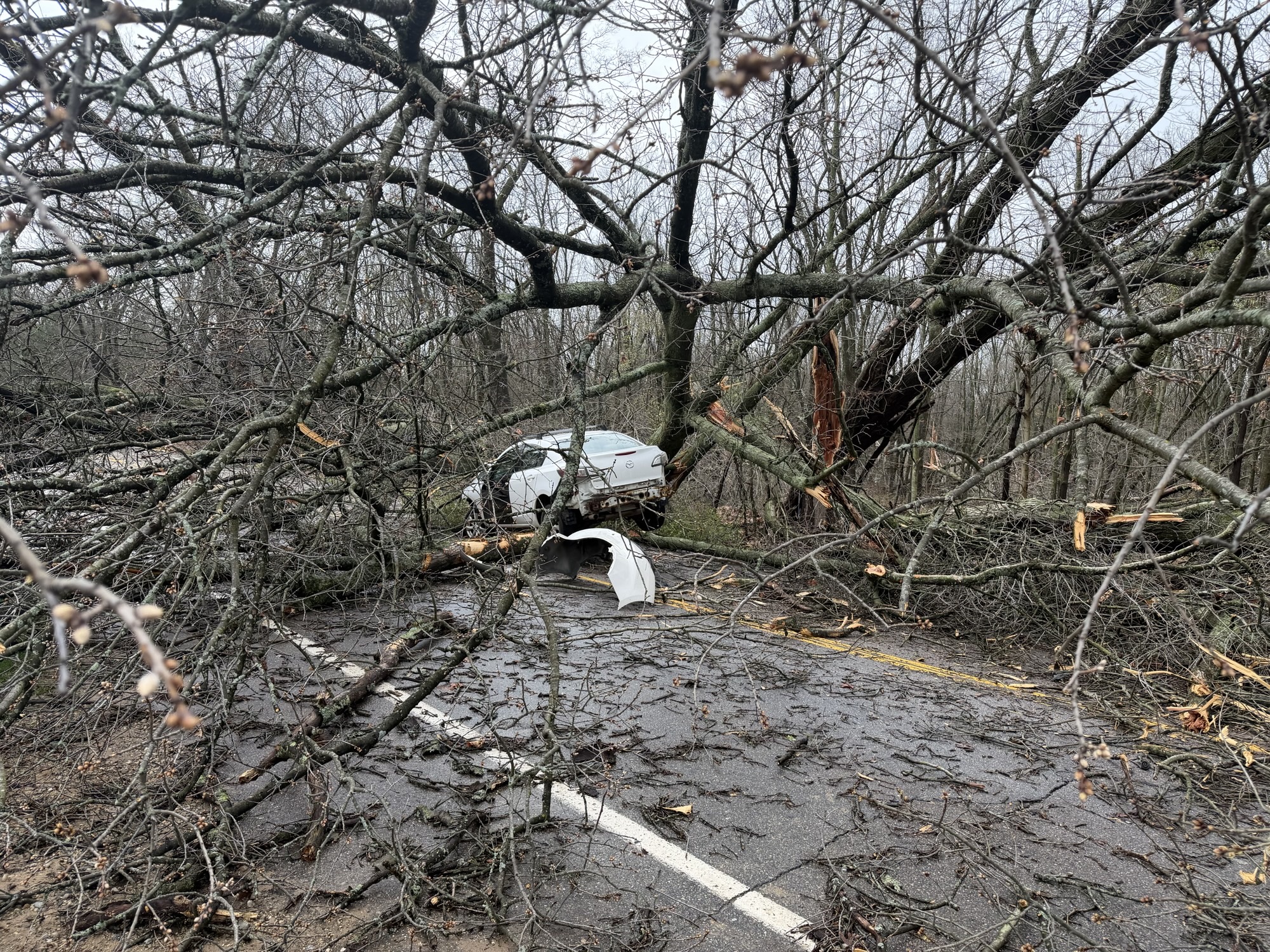
Severe Storms – Upper Midwest: At least 66 tornadoes were recorded across the Upper Midwest on Friday, April 17, as severe storms swept through Illinois, Minnesota and Wisconsin. Dozens of homes were damaged or destroyed, and thousands of people lost power. In Marathon County, Wisconsin, 75 homes were destroyed.
In Wisconsin, the National Weather Service issued 26 tornado warnings on Friday, the highest number issued in a single day since the office opened in 1995.
Flooding – Michigan: Severe storms and melting snow in Michigan have caused catastrophic flooding this month, forcing hundreds of residents to evacuate. Flooding has threatened dams and damaged and destroyed roadways, businesses, homes and other infrastructure.
The state developed a dashboard to help Michiganders find shelter and locate flooding hotspots. A livestream of the Cheboygan Dam also helps residents track if and when spillover will occur.
Previous/Ongoing Disasters
Super Typhoon Sinlaku – Mariana Islands, Guam: Beginning April 11, a slow moving, Category 5 hurricane hit the Northern Mariana islands and Guam in the Western Pacific, killing at least one person. The storm brought winds of up to 185 mph, causing power outages, damage to infrastructure, flooding and a public health emergency. The U.S. has approved emergency declarations for the U.S. territories.
The islands of Tinian and Saipan are still recovering from Typhoon Yutu in 2018.
Typhoon Maila – Papua New Guinea, Solomon Islands: The number of fatalities rose to 22 people after Tropical Cyclone Maila hit Papua New Guinea and the Solomon Islands earlier this month. The Category 4 storm brought 115 mph winds and triggered landslides from torrential rain. Buildings, homes and other infrastructure were destroyed in both countries. Hundreds of thousands of people were affected, and many have been displaced.
Complex Humanitarian Emergencies – Afghanistan
Many places worldwide are experiencing conflict, climate change, drought, famine, economic challenges and other conditions which, when combined, create complex humanitarian emergencies (CHEs). CDP spotlights one CHE each week to spread awareness and develop a philanthropic response.
Afghanistan faces one of the world’s most severe and complex humanitarian crises, driven by the oppressive Taliban regime, war with neighboring Pakistan, successive climate shocks and mass migration.
Key facts:
- According to the Council on Foreign Relations, “As of 2024, 75% of the population is subsistence insecure, meaning they lack the food, basic items, and services needed to survive.”
- Injured women and girls are less likely to survive earthquakes and other disasters due to Taliban policies restricting women from being seen or treated by men they are not related to by blood or marriage. Rescue and medical teams are comprised entirely of men because female doctors and nurses are not allowed to work.
- Several hundred people died in recent flooding that affected most of the country, destroying roads, bridges and large swaths of farmland. The flooding follows severe climate shocks in the past year, including a major earthquake in August 2025 that killed 2,200 people.
- Weeks of war with Pakistan have shut down schools and playgrounds along the border. At least 22 schools have been damaged by bombs.
- More than 12,000 students have been displaced along the border and need urgent access to safe learning spaces to compensate for two months (and counting) of missed education during the war.
- Women and girls are now forbidden from participating in public life. Schools, beauty parlors, parks, markets and other communal spaces are no longer open to women.
- Since the Taliban took over in 2021, the economy has shrunk by 30%, and nearly 500,000 jobs have been lost.
- At least 40% of female returnees to Afghanistan report having skills they are not allowed to use in the country to earn income.
- Over 90% of female-headed households experience food insecurity.
- Movement restrictions, lack of documentation and lack of male chaperones prevent many women from accessing aid.
Within the first 90 days of President Donald Trump’s second term, the U.S. cut 83% of foreign aid to Afghanistan. As a result, millions of Afghans have been left without food, health and protection services, exacerbating an already dire humanitarian crisis.
Upcoming webinar
Beyond the headlines: What mobilizes philanthropy to act in complex crises
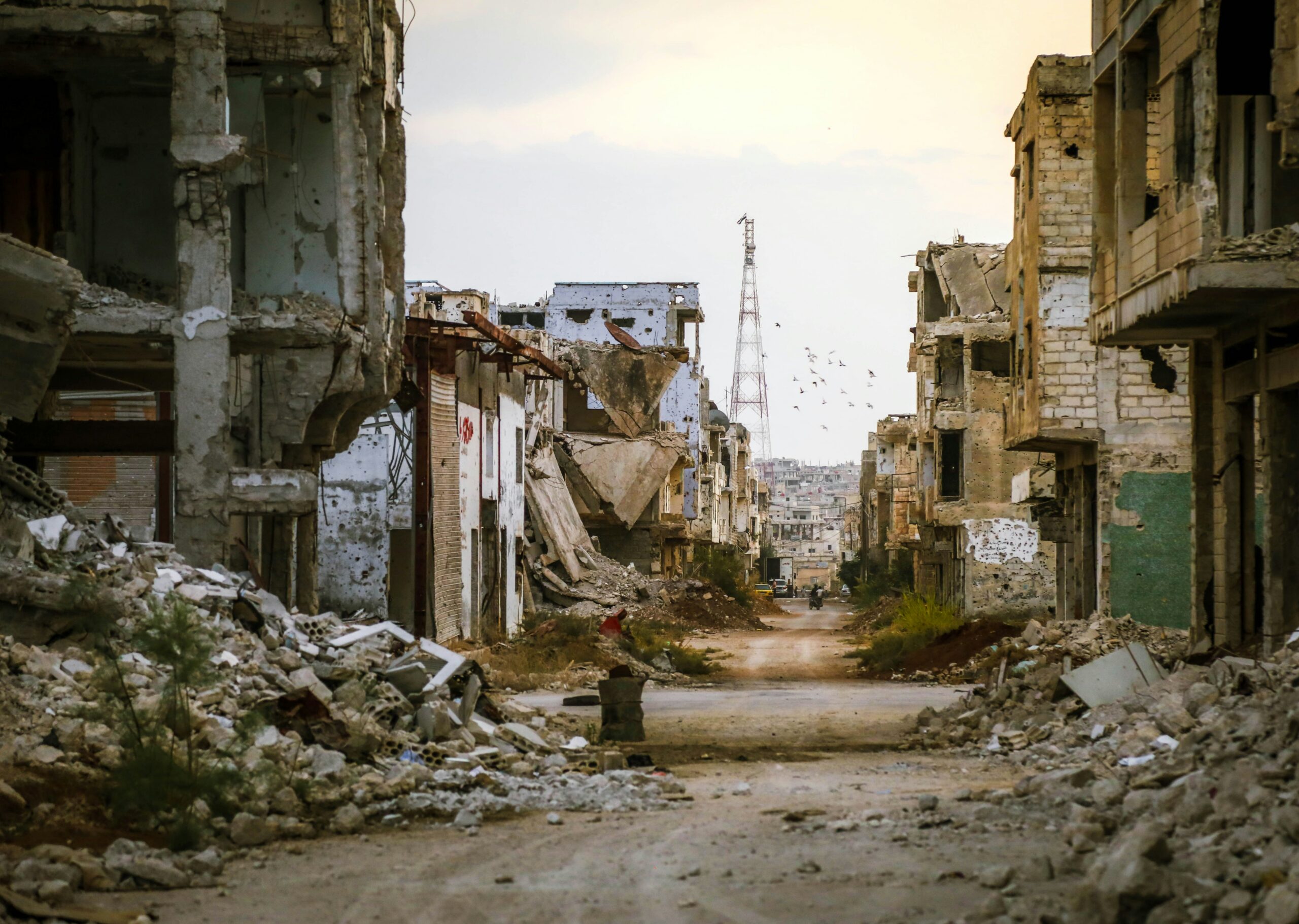 Photo by Mahmoud Sulaiman on Unsplash
 What We’re Reading
- Venice could be moved inland as rising seas outpace flood defences – Engineering and Technology Magazine
- Rohingya sea crossings hit record death toll in 2025, UNHCR says – Reuters
- Video: Advocates warn about Iran war’s impact on Sudan humanitarian crisis – CBS News
A moment of hope… Mayor Bass of Los Angeles is rolling out a new climate plan for the city to reach 100% clean energy by 2035 and carbon neutrality by 2045. The plan includes major targets like electrifying all city buses by 2028, installing 120,000 EV chargers and doubling local solar energy while expanding parks and tree canopy to cool neighborhoods.
The plan also focuses on cutting pollution at the port and airports, reducing oil and gas drilling, and increasing local water supply through projects like the Van Nuys water reclamation plant. Reducing emissions through clean energy is one of the key tactics for building climate resilience, which in turn helps mitigate climate-driven disasters.

Gina DeLuca
Content Development Associate