
What we’re watching: Weekly disaster update, April 27
Some disasters make headlines; others do not. Here at the Center for Disaster Philanthropy (CDP), we monitor the status of disasters worldwide and compile a list of the ones we’re tracking weekly.
Here’s what we’re watching for the week of April 27, 2026.
New or Emerging Disasters
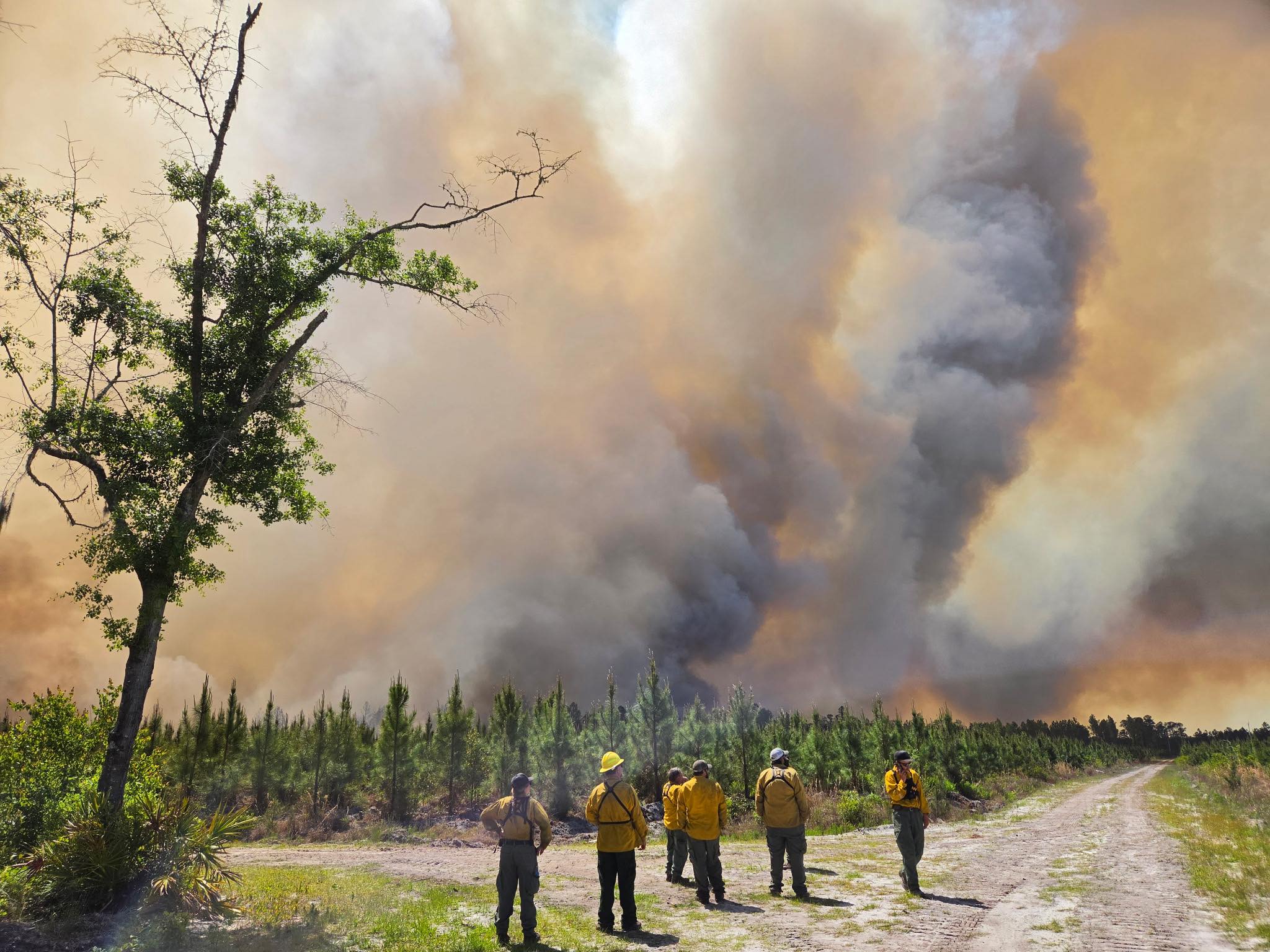
Wildfires – Georgia, Florida: For the first time in history, officials declared a burn ban in Georgia due to severe drought. The state has only received 11 inches of rain since September, which is 15 inches below average. The dry brush and high winds have caused catastrophic wildfires in the state, destroying 50 homes so far and causing residents to flee their neighborhoods. No warnings or alerts were issued because the fires spread too rapidly. The two largest fires have burned 33 square miles so far.
In Florida, there are 134 active wildfires burning 26,000 acres. Approximately 99% of the state is facing drought conditions.
Severe Storms, Tornadoes – Texas: Tennis ball-sized hail, 89 to 139 mph winds and heavy rain battered north Texas on Saturday, April 25. The storms displaced 20 families, killed two people and injured dozens of others. Mobile homes were severely damaged or destroyed, and the roofs of sturdier structures were torn off. More than 11,000 customers were without power after the storm.
There were more than 100 reports of tornadoes in the area. The National Weather Service advised that these are preliminary reports and that the numbers are subject to change.
Heat Wave – India: The heat index in parts of India climbed to 120 degrees Fahrenheit on Friday, April 24. The electricity required to power air conditioners, cooling centers, hospitals and water supply plants has placed a huge demand on energy that is compromised by the war in the Middle East. The country plans to rely more on coal than gas amid shortages and rising demand.
Previous/Ongoing Disasters
Severe Storms – Upper Midwest: Another round of dangerous storms is forecast for this week, following the large outbreak of tornadoes and severe storms that caused widespread damage in Illinois, Minnesota, Wisconsin and other areas on Friday, April 17.
At least 66 tornadoes were recorded across the region in the previous outbreak, damaging or destroying dozens of homes. On Monday, April 27, the upper Midwest could see another round of tornadoes, damaging winds, hail and rain, which will compound recovery and cleanup efforts from last week.
Complex Humanitarian Emergencies – Democratic Republic of Congo
Many places worldwide are experiencing conflict, climate change, drought, famine, economic challenges and other conditions which, when combined, create complex humanitarian emergencies (CHEs). CDP spotlights one CHE each week to spread awareness and develop a philanthropic response.
The Democratic Republic of the Congo faces one of the world’s most severe humanitarian crises in 2026, driven by persistent armed conflict in the east, mass displacement, disease outbreaks, deep poverty and widespread hunger. More than 21 million people need humanitarian assistance and nearly 28 million face food insecurity.
Key facts:
- Fighting between M23 and Congolese forces, plus violence by armed groups such as ADF and CODECO, has killed civilians, forced repeated displacement and exposed women and children to torture and widespread conflict-related sexual violence.
- The crisis is especially intense in North Kivu, South Kivu and Ituri, where families have been pushed out of camps and villages, markets and farmland.
- Food insecurity is a central driver of suffering: the World Food Program reports that 26.6 million people are suffering from acute food insecurity in early 2026, with millions in emergency-level hunger, as conflict continues to block farming, trade and aid delivery.
- More than 7 million people are internally displaced.
- International responders say civilians are effectively trapped between bullets and hunger, with overcrowded shelters, fragile water and sanitation systems and repeated exposure to exploitation and disease.
Funding shortfalls have already forced cuts to nutrition, health and food assistance. The EU has earmarked €68 million for DRC while warning that the crisis is stretching food, water and shelter systems to breaking point.
Upcoming webinar
Beyond the headlines: What mobilizes philanthropy to act in complex crises
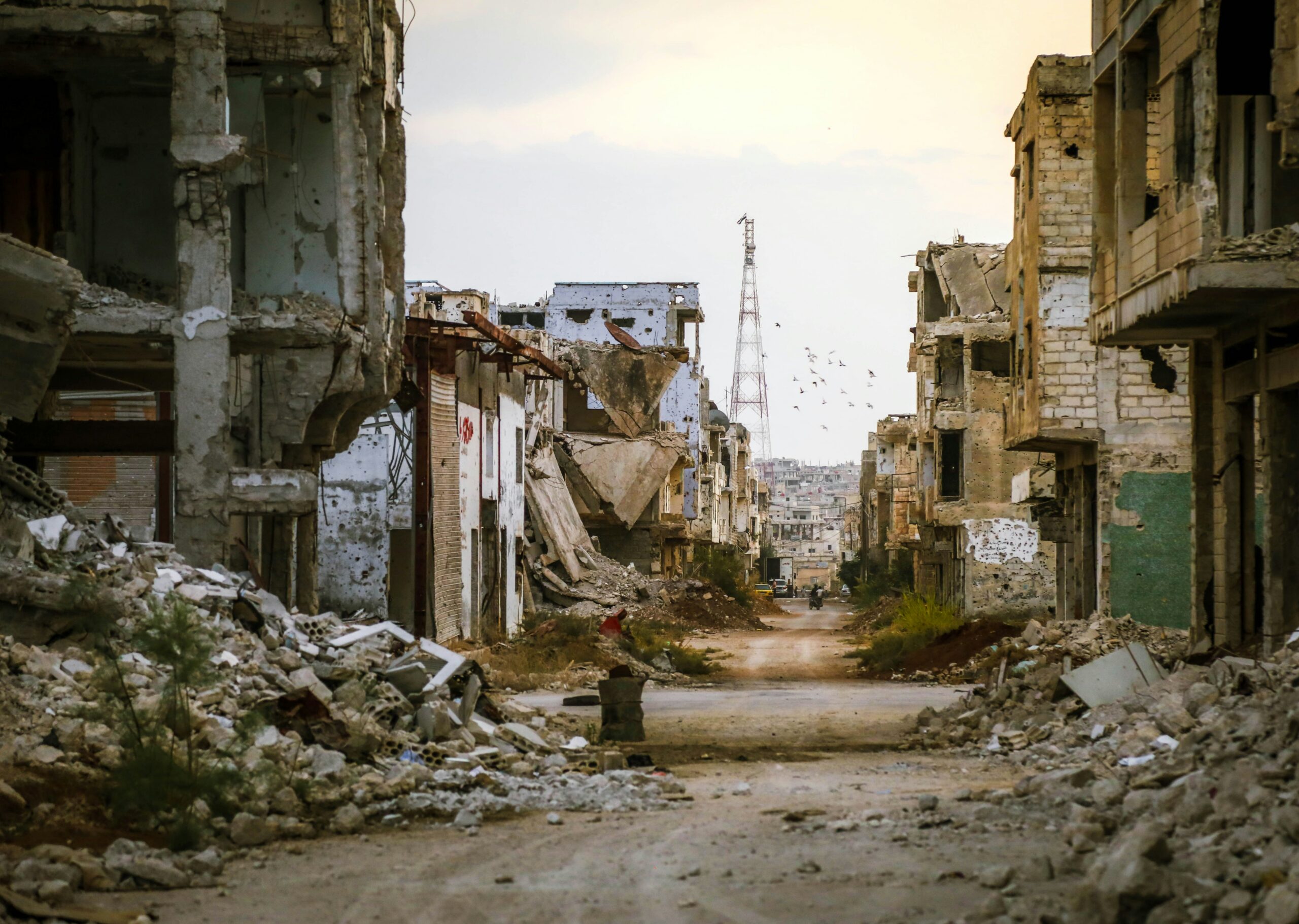 Photo by Mahmoud Sulaiman on Unsplash
 What We’re Reading
- What’s driving the catastrophic wildfires in Georgia – Grist
- Heavy rain on snow is testing aging dams across Michigan and Wisconsin – this is the future in a warming world – The Conversation
- The Disaster Is in the System: Feminist leadership must drive a just future for people and planet – WEDO
A moment of hope… The World Food Program and its partners launched a solar-powered irrigation project in Ethiopia’s Somali region to help drought-affected pastoral communities produce food year-round and build more climate-resilient livelihoods.
The wider initiative has already created 17 irrigation schemes, 13 water-harvesting ponds and 29 dikes, reaching about 85,000 people. This initiative will reduce long-term dependence on humanitarian aid by improving water access, food production and market incomes. These efforts are critical as increased flooding and recurrent droughts undermine food production and worsen food insecurity in Ethiopia.

Gina DeLuca
Content Development Associate