
What we’re watching: Weekly disaster update, April 6
Some disasters make headlines; others do not. Here at the Center for Disaster Philanthropy (CDP), we monitor the status of disasters worldwide and compile a list of the ones we’re tracking weekly.
Here’s what we’re watching for the week of April 6, 2026.
New or Emerging Disasters
Earthquake – Indonesia: On April 2, a major 7.4 magnitude earthquake struck in the North Molucca Sea, causing a tsunami of up to 3 feet in some areas. Multiple strong aftershocks have been reported, but damage to buildings and infrastructure has been moderate. One woman died and three people were injured.
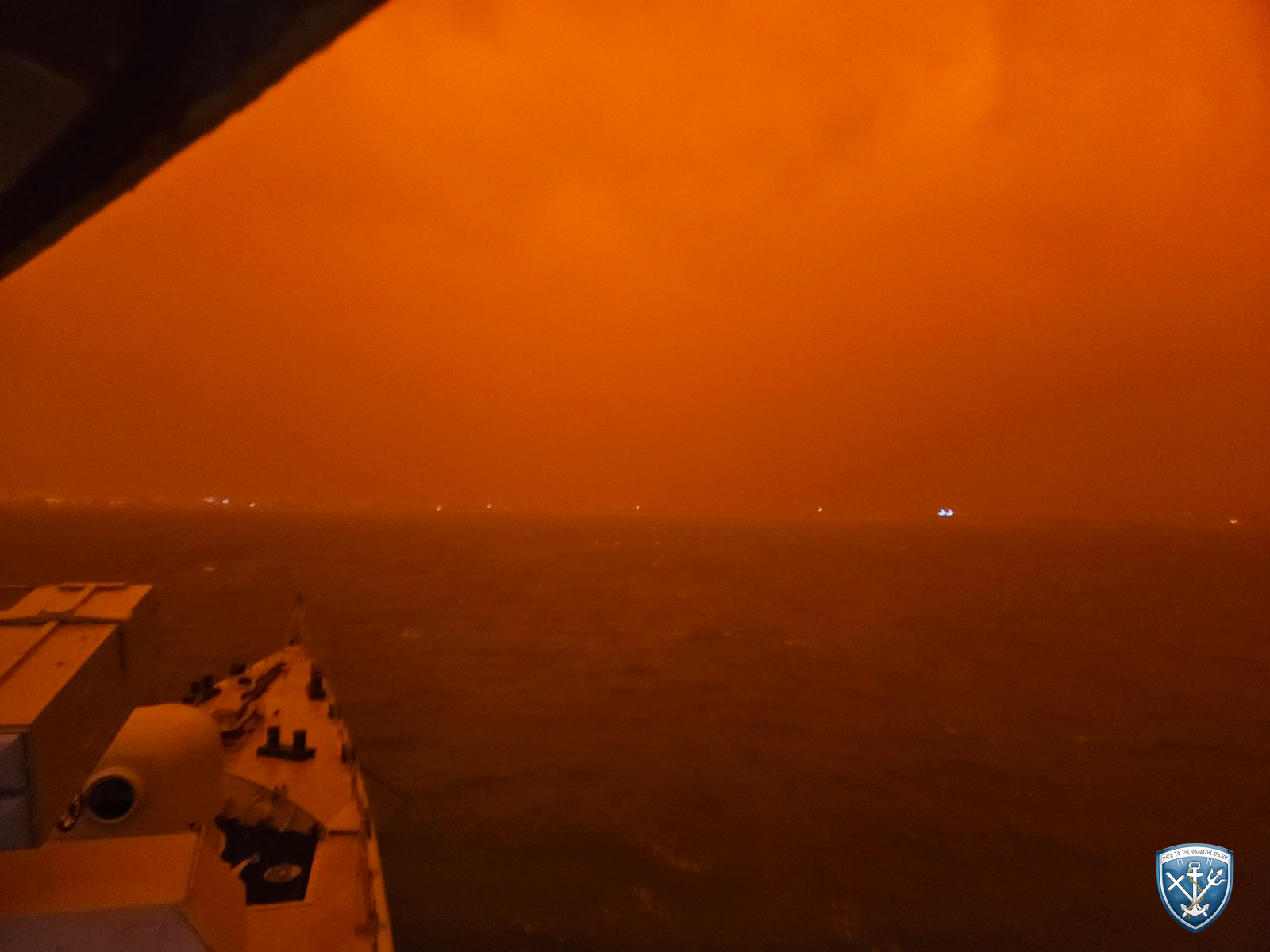
Storm Erminio – Greece, Italy: A major storm caused deadly flooding and major disruption in Greece and southeast Italy beginning March 31. Near Athens and the wider Attica region, at least one person died and emergency crews responded to hundreds of calls for flooded roads, fallen trees, debris removal and rescues.
Red dust from the Sahara Desert blew into Greece, causing flight cancellations. In Italy, a dam burst and a bridge collapsed from heavy rainfall, and landslides required rescues and evacuations.
Flooding – Pakistan: Flash flooding in Balochistan destroyed more than 100 homes, killed thousands of livestock and inundated hundreds of acres of farmland, destroying chickpeas, wheat, and other crops.
Flooded roads cut off villages from major roadways and transportation hubs. At least seven people died in the storms.
Earthquake – Afghanistan: A 5.8 magnitude earthquake struck 180 miles north of Kabul, killing 12 people, including members of a refugee family from Iran. The earthquake came after weeks of heavy rainfall, making the ground sodden and the walls of buildings unsteady.
At least five homes were destroyed and another 33 were damaged, affecting approximately 40 families.
Previous/Ongoing Disasters
Gang violence – Haiti: About 6,000 people have been displaced and between 42 and 70 people were killed in a gang attack in rural Haiti that lasted several days in late March. The underfunded and under-resourced police were delayed in responding to the attack after the gang set up roadblocks. Once the police left the scene, the gang attacked again.
The massacre comes just days before the initial wave of UN-backed forces arrives in Haiti, and as the Multinational Security Support Mission (Kenyan forces sent to Haiti in 2024 to help suppress gang violence) begins to leave. Gangs are exploiting the transition period to gain land, power and influence.
Complex Humanitarian Emergencies – Syria
Many places worldwide are experiencing conflict, climate change, drought, famine, economic challenges and other conditions which, when combined, create complex humanitarian emergencies (CHEs). CDP spotlights one CHE each week to spread awareness and develop a philanthropic response.
Syria remains in a severe humanitarian crisis in 2026, with roughly 70% of the population requiring humanitarian assistance. Syria’s 2025 humanitarian appeal was only about 19% funded in late 2025, leaving major gaps in food, water and health support.
Key facts:
- At the start of 2026, 7.5 million children needed humanitarian support, 2.45 million children were out of school and 2 million children were at risk of malnutrition.
- More than 7 million people remained internally displaced, including about 1.3 million living in camps or similar sites.
- Since the political transition in December 2024, more than 1.3 million Syrians returned from countries of asylum, and about 1.7 million internally displaced people returned within Syria by the end of January 2026.
- Food insecurity remains acute: in 2025, 9.1 million people were food insecure, while World Food Program supported only 1.5 million people per month after funding cuts.
- Health and basic services are still fragile, with over 340 health facilities suspending services and more than 7 million people affected by reduced access to healthcare and medicine.
- Christians, Druze, Jewish and Alawite minorities are regularly persecuted in Syria, with sectarian violence resulting in the torture, murder and disappearance of members of minority groups, especially women and girls.
According to the World Health Organization, “In 2026, 16.5 million people require humanitarian assistance as drought, disease outbreaks and damaged infrastructure continue to limit access to care. Cholera, measles and other epidemic-prone diseases persist alongside growing chronic health needs. WHO is delivering life-saving health services, sustaining disease surveillance and supporting essential care during a fragile transition period.”
Upcoming webinar
Supporting communities in crisis: Evidence on funder motivations, barriers and opportunities
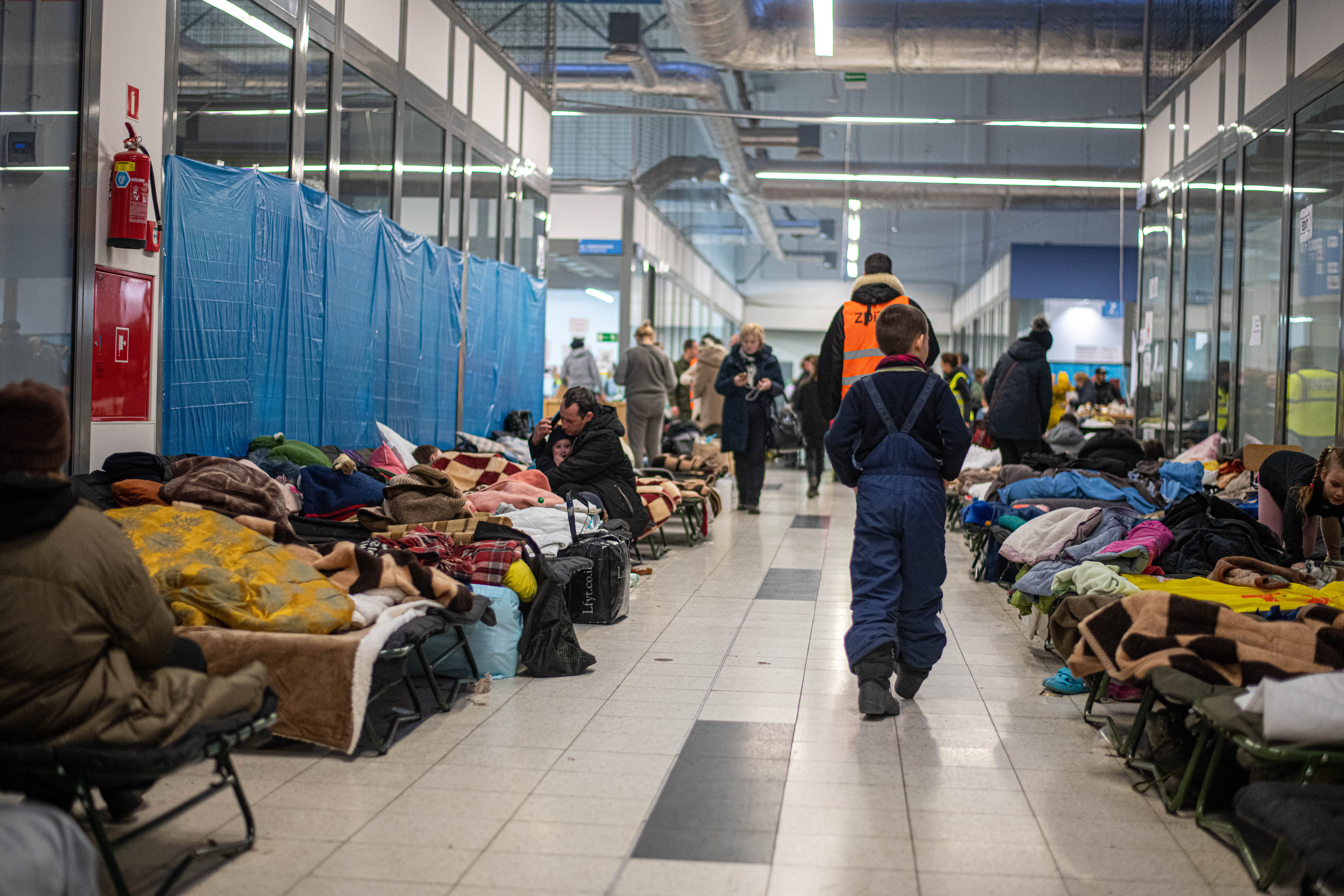 Refugees at a refugee camp in Poland fleeing from Russia’s invasion of Ukraine, March 2022. Photo by Tom Remp
 What We’re Reading
- How this community foundation created a new model for disaster relief –Chronicle of Philanthropy
- In Syria, kidnappings of women and girls fuel a minority group’s fears –The New York Times
- Toxic dust from California’s shrinking Salton Sea is harming children’s lung growth – our study tracked the impact in 700 kids – The Conversation
A moment of hope… ActionAid, an organization that supports communities experiencing poverty and exclusion, created a pilot initiative in rural Bangladesh aiming to prevent child marriage and create opportunities for girls. The initiative successfully prevented at least 18 child marriages and supported 40 at-risk students with scholarships, providing new income sources for 30 vulnerable families.
Child marriage remains widespread in Bangladesh, driven by poverty, weak law enforcement and climate shocks. However, Bangladesh is also a key contributor to the global decline in child marriage. Since around 1970, when more than 90% of young women were married before 18, the rate has nearly halved to an estimated 51% in 2024.
*ActionAid is a CDP grantee partner from 2020.

Gina DeLuca
Content Development Associate