
What we’re watching: Weekly disaster update, August 10, 2026
Some disasters make headlines; others do not. Here at the Center for Disaster Philanthropy (CDP), we monitor the status of disasters worldwide and compile a list of the ones we’re tracking weekly.
Here’s what we’re watching for the week of Aug. 10, 2026.
New or Emerging Disasters
Earthquake – Colombia: A magnitude 7.4 earthquake struck western Colombia on the morning of Monday, Aug. 10, causing buildings to collapse and injuring multiple people. At least 111 people died, but that number is expected to rise as more data becomes available.
Cyclone Dolphin – China: A powerful cyclone made landfall Sunday evening on China’s southeastern coast, prompting the evacuation of more than one million people. Heavy rains, strong winds and flooding caused the cancellations of more than 1,000 flights in Shanghai. Dolphin is the most powerful storm to hit China this year. Meteorologists are calling it “unusually resilient,” after it tracked nearly 4,000 miles across the Pacific before making landfall.
Flooding – Sri Lanka: At least seven people died after heavy rainfall caused flooding and mudslides in Sri Lanka’s mountainous region on Aug. 4. Nearly 3,500 people were evacuated, and 291 homes were destroyed.
Sri Lanka is still rebuilding railways, roads and homes after Cyclone Ditwah in November killed 640 people and caused USD $4.1 billion in damage.
Flooding – The Philippines: At least 13 people died and eight people are currently missing after monsoon rains caused catastrophic flooding and landslides this week. Cyclone Dolphin contributed to the heavy rain in the region as well.
More than 500,000 people have been affected in 33 provinces, and hundreds of homes have been damaged. At least 2,000 people are sheltering in evacuation centers.
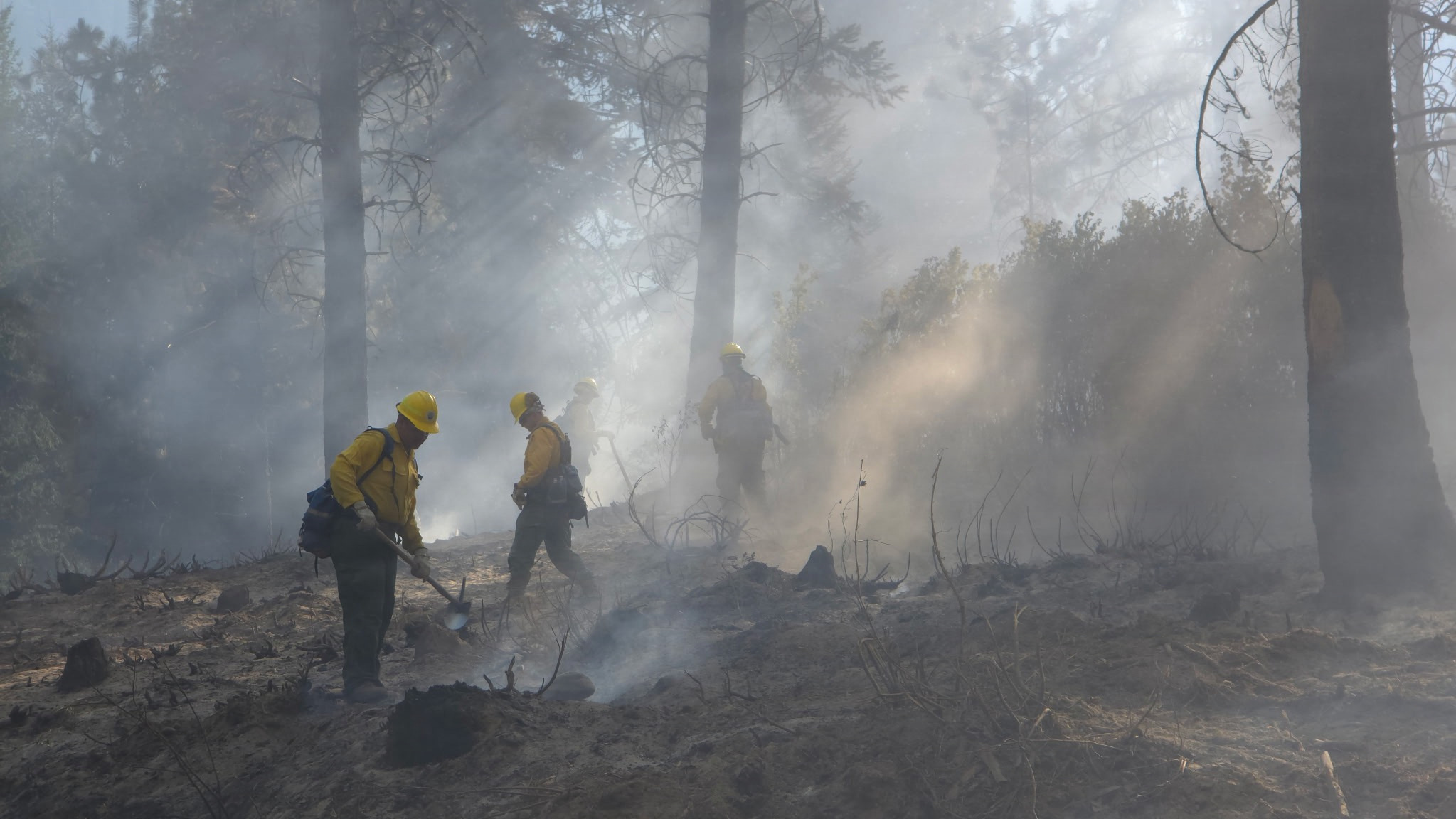
Wildfires – Canada: The Bald Range Fire in British Columbia ignited on Aug. 7 and has forced the evacuations of 20,000 people. At least one person has died.
The Bradley Creek Fire, which has burned more than 6,000 acres so far, has forced the evacuation of the entire Okanagan Indian Band reserve, and at least 30 residents of the reservation have lost their homes so far. More than 200 homes outside of the reserve have also been destroyed.
Previous/Ongoing Disasters
Wildfires – Washington, Oregon: The Spokane Complex Fire has burned more than 10,200 acres, damaging or destroying approximately 921 structures and forcing the evacuation of 65,000 people. Wildfires in Oregon have broken records, with 2.3 million acres burned as of Aug. 10.
Complex Humanitarian Emergencies – Haiti
Many places worldwide are experiencing conflict, climate change, drought, famine, economic challenges and other conditions which, when combined, create complex humanitarian emergencies (CHEs). CDP spotlights one CHE each week to spread awareness and develop a philanthropic response.
Haiti’s crisis is protection-driven, with civilians exposed to pervasive violence, grave child rights violations, gender-based violence, forced displacement and severe access constraints. Criminal groups under the Viv Ansanm coalition have consolidated control more than 90% the capital and expanded into five additional departments, committing massacres, killings, sexual violence and child recruitment.
Key facts:
- Severe food insecurity affects 52% of Haiti’s population every day, making the country’s hunger crisis one of the world’s worst.
- About 600,000 Haitians are experiencing famine-level conditions, one of the highest rates worldwide.
- More than 58% of Haiti’s 11.9 million people live on less than $3.65 per day.
- Haiti has one of the highest homicide rates in the world.
- Government forces have increasingly turned to small explosive “kamikaze” drones, several of which have detonated in residential areas causing mass civilian casualties and driving a 120% increase in fatalities from drone/airstrikes in 2026.
- Hundreds of thousands of Haitians, including unaccompanied and separated children, are being returned from the Dominican Republic, often without documentation or support, facing risks of homelessness, hunger, violence, exploitation and de facto statelessness.
- More than 6.5 million people, including 3.3 million children, need urgent humanitarian assistance. At least 1.5 million children need education support and 3.5 million people need WASH services.
Overall, aid agencies (IRC, OCHA, WFP, UNICEF) describe Haiti as one of the world’s most severe and underfunded humanitarian crises, with worsening conditions projected through 2026 absent a major funding and security response.
What We’re Reading
- Wildfires can generate tornadoes, lightning and other extreme weather, sometimes miles from the flames – The Conversation
- Three minutes on Sudan – The New Humanitarian
- How Lahaina is recovering 3 years after the devastating fires – PBS News
A moment of hope…A team of Beninese scientists, led by Gérard Zinzindohoué, spent years chasing a report from the sixties which hinted at a 24-mile coral barrier off Benin’s coast. After securing a National Geographic grant and fitting local fishing boats with sonar gear, the team rediscovered the reef more than 175 feet underwater.
They found a thriving mesophotic ecosystem with at least eight coral types and eight fish species that scientists had long assumed were dead. The reef, still undisturbed, could offer valuable paleoclimatic data, and is now being proposed for protection as a marine reserve and sanctuary. Researchers hope it sparks more exploration of the underserved Gulf of Guinea.

Gina DeLuca
Content Development Associate