
What we’re watching: Weekly disaster update, August 3, 2026
Some disasters make headlines; others do not. Here at the Center for Disaster Philanthropy (CDP), we monitor the status of disasters worldwide and compile a list of the ones we’re tracking weekly.
Here’s what we’re watching for the week of August 3, 2026.
New or Emerging Disasters
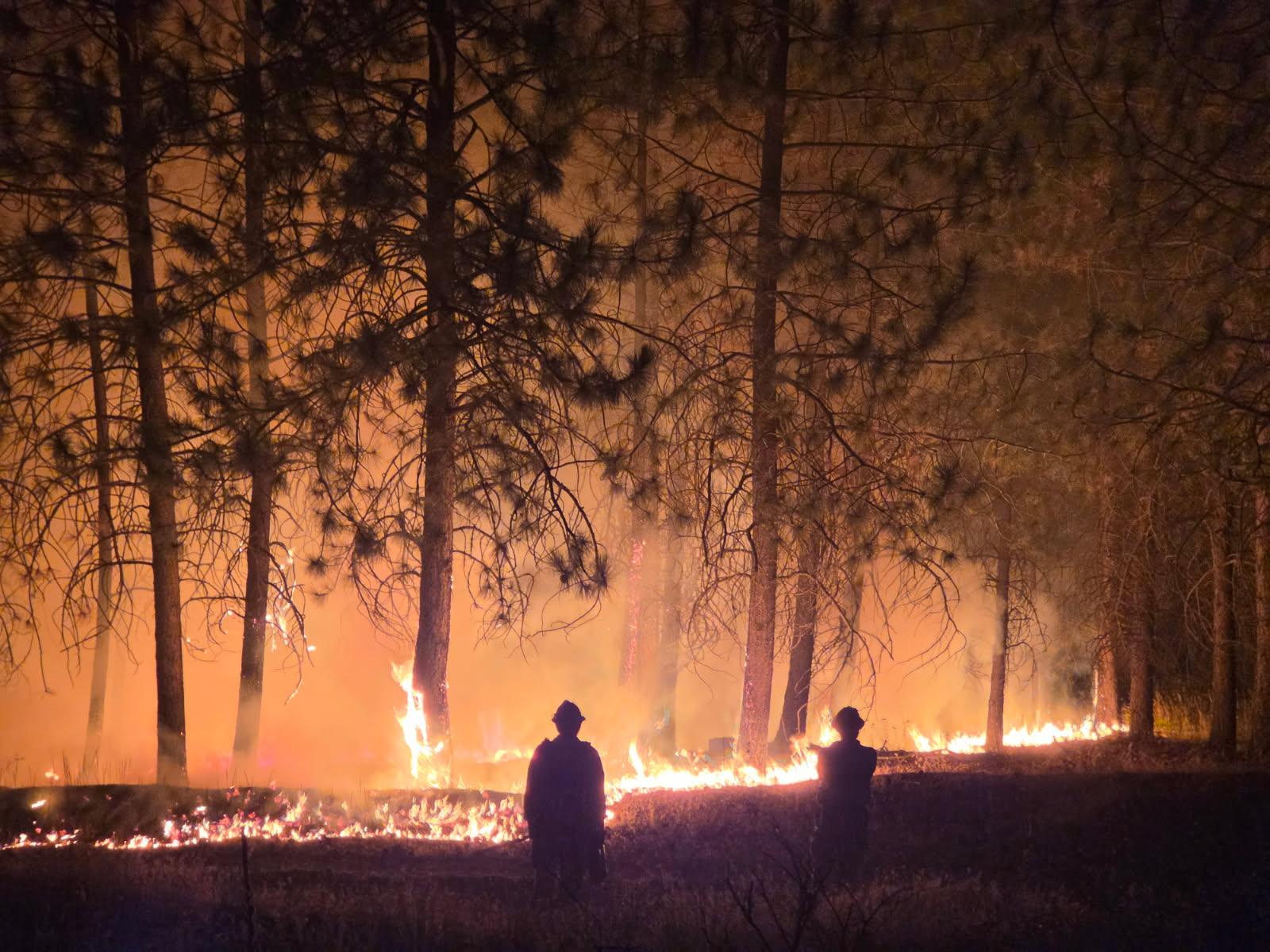
Wildfires – Washington, Oregon: The Spokane Complex Fire has forced the evacuations of 60,000 people, and burned 5,439 acres and more than 600 structures. It is considered the worst disaster in Spokane’s history. At least 15 wildfires are burning across the state, scorching about 250,000 acres, though most are in sparsely populated areas.
Wildfires in Oregon have broken records, with more than two million acres burned as of Aug. 3. Thousands of people have been evacuated, including from the Warm Springs reservation in central Oregon. At least 30 homes have been destroyed by the wildfires, and ranch lands, grazing infrastructure and agricultural property have also been significantly damaged.
Tornado – Wisconsin: On July 27, a powerful EF-3 tornado touched down in northeastern Wisconsin moving south with 140 mph winds. The storm caused excessive damage to homes, businesses and trees, and knocked out power for more than 30,000 people. No deaths or injuries were reported.
Earthquake – Japan: A 6.8 magnitude earthquake struck southwestern Japan on July 28, causing the deaths of at least 38 people. About 400 shelters were set up to accommodate 19,000 people, with at least 8,000 people still unable to return home.
A heat wave is complicating recovery efforts this week and is affecting those displaced without air conditioning.
Previous/Ongoing Disasters
Flooding – Multiple countries: Since early July, monsoon rains and catastrophic flooding have hit Afghanistan, Bangladesh, India, Myanmar and Pakistan, displacing hundreds of thousands of people and damaging homes, farmland, roads and water systems. At least 1.1 million people in Bangladesh and more than 700,000 in India have been affected, while Pakistan has recorded the highest number of fatalities at 109 people. Dozens of people were killed in Afghanistan and India.
Tens of thousands of homes were damaged or destroyed in the floods, and thousands of acres of crop land have been lost along with many livestock. Bangladesh’s Rohingya refugee camps and Myanmar’s displacement sites have also been affected.
Continued rain, rising rivers and glacial lake flood risks, most notably in Pakistan, threaten further damage, while many communities already strained by conflict, displacement or poverty now urgently need shelter, clean water, food, health care and infrastructure repair. Due to gaps in access and communication, particularly in Myanmar, the full scale of damage in some areas remains unclear.
Wildfires – Spain, France: Hundreds of thousands of people in Spain and France have been forced to evacuate from communities experiencing massive wildfires. More than 679,000 acres burned across both countries, making these the most destructive wildfires on record in France and Spain.
At least three people have died, including two firefighters. The fires are largely contained as of Aug. 3, although they have not been fully extinguished.
Complex Humanitarian Emergencies – Democratic Republic of Congo
Many places worldwide are experiencing conflict, climate change, drought, famine, economic challenges and other conditions which, when combined, create complex humanitarian emergencies (CHEs). CDP spotlights one CHE each week to spread awareness and develop a philanthropic response.
Cholera outbreaks, gender-based violence and political conflict persist alongside the Ebola epidemic in the Democratic Republic of Congo, creating a devastating complex humanitarian emergency.
Key facts:
- A 2025 UN fact-finding mission found that militarized groups, including M23, Rwandan forces, FARDC, Wazalendo and affiliated groups have all committed acts that may constitute war crimes or crimes against humanity, including torture, sexual violence, killings of civilians and child recruitment.
- Food insecurity affects 28 million people nationwide.
- More than 7.8 million people are internally displaced, including 5.3 million in eastern DRC, with displacement sites frequently attacked.
- As of July 30, DRC has recorded 3,532 cases of Ebola and 1,556 deaths from the disease.
- More than 1,400 staff members with Doctors Without Borders are responding to the outbreak, but conflict-related insecurity, airport closures and flight restrictions are disrupting staff movement, diagnostics, referrals and supply chains.
- More than one million Congolese refugees now live in neighboring countries, while DRC also hosts over 500,000 refugees from the region.
As of July 2026, funding climbed to roughly 53% of the $1.4 billion requirement, making DRC the second-best funded Humanitarian Needs and Response Plan (HNRP) in the West and Central Africa region. However, the $1.4B target reflects requirements already cut by 45% compared to 2025, with the response narrowed to 7.3 million of the nearly 15 million people in need; which means even a fully funded plan would fail to reach everyone with acute needs.
What We’re Reading
- What philanthropy can learn from communities about giving – Stanford Social Innovation Review
- AI news outlet spreads false flood information in Gallup, officials warn – Albuquerque Journal
- Portland disabled residents sue city, county over wildfire evacuation and emergency planning – kgw.com
A moment of hope…NASA’s INSPYRE campaign is launching the first ever mission to sample pyrocumulonimbus “fire clouds,” the towering plumes generated by intense wildfires like those currently burning in France, Spain and the Pacific Northwest. Fire clouds send smoke into the stratosphere with hemisphere-wide effects on ozone, weather and climate.
Using a NASA high-altitude aircraft with infrared instruments and ground teams with radar and weather balloons, more than 150 researchers aim to collect many samples of smoke from these clouds. The campaign could see its first flight over fires in Oregon within days and will run until Sept. 10, with additional fieldwork planned for 2027.

Gina DeLuca
Content Development Associate