
What we’re watching: Weekly disaster update, February 16
Here’s what we’re watching for the week of Feb. 16, 2026.
New or Emerging Disasters
Cyclone Gezani – Madagascar: At least 59 people died last week when Cyclone Gezani struck Madagascar, bringing winds of 115 mph and waves of 30 feet, along with heavy rainfall. At least 15 people are still missing, more than 16,000 are displaced and nearly 500,000 have been affected by the storm.
Flooding – Syria: Heavy rainfall since Feb. 7 has caused major flooding in Northwest Syria, killing two children and affecting more than 5,000 displaced people. The rains destroyed at least 150 tents and damaged 1,800 more. Families who had already been displaced were forced to relocate.
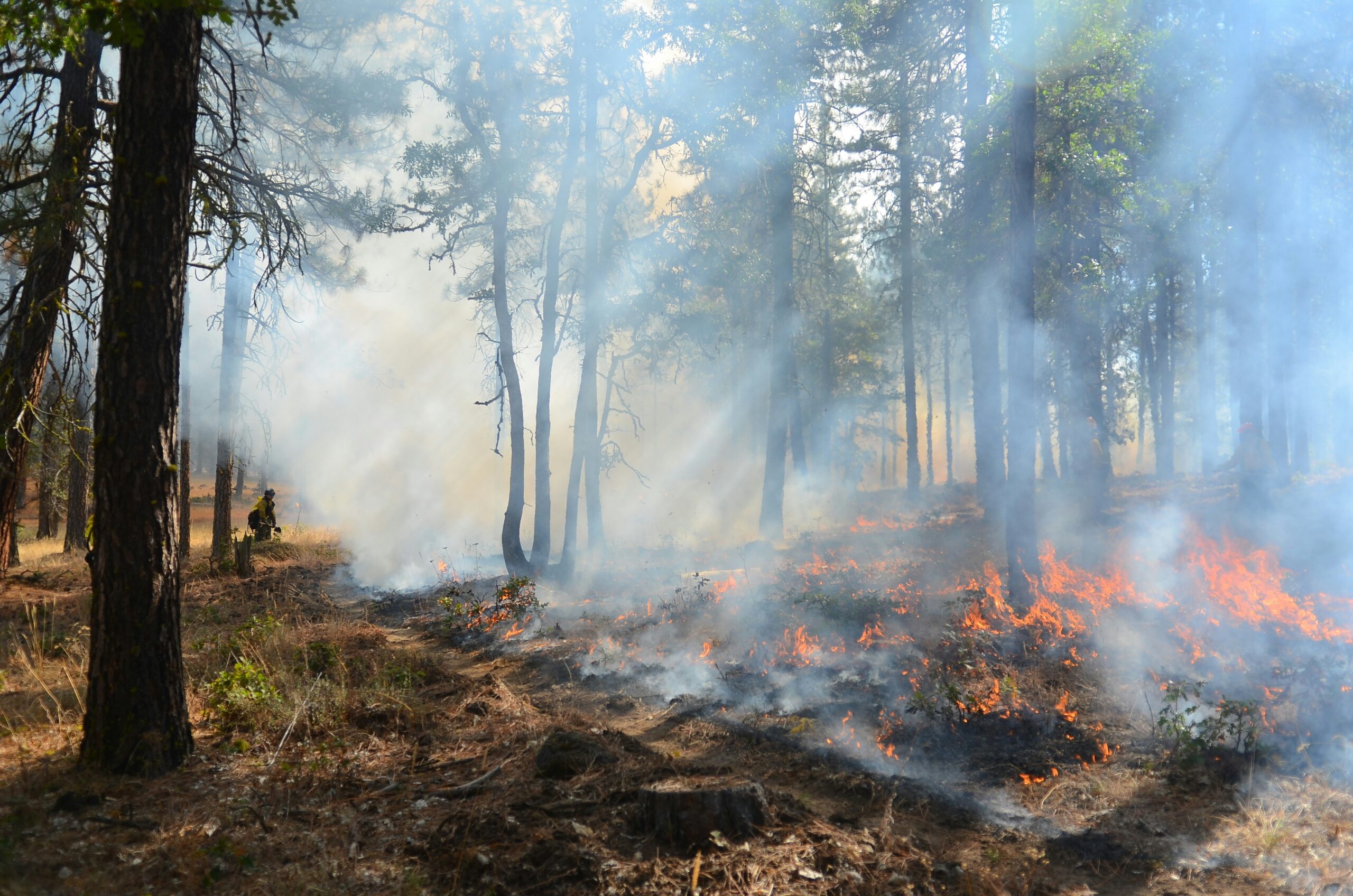
Drought – Florida: On Feb. 11, Gov. DeSantis declared a state of emergency in Florida to address the worst drought in 25 years. The drought has fueled an unusually active wildfire season, with 650 fires reported so far in 2026, totaling 21,000 acres burned.
Water shortage restrictions are in place in all five water management districts in the state. Meteorologists are forecasting a warmer and drier spring than average.
Previous/Ongoing Disasters
Disease Outbreak – South Carolina: As of Feb. 13, South Carolina has reported 950 measles cases in an outbreak that began in October of last year. The outbreak in South Carolina represents the nation’s largest in 25 years.
Most of the cases are in unvaccinated children, and hundreds of people have had to quarantine from possible exposure. Though no one has died, 19 people have been hospitalized.
Between 1991 and 2024, South Carolina recorded only eight cases of measles, six of which occurred in the same household and two of which were imported from abroad.
Complex Humanitarian Emergencies – Myanmar
Many places worldwide are experiencing conflict, climate change, drought, famine, economic challenges and other conditions which, when combined, create complex humanitarian emergencies (CHEs). CDP maintains complete profiles on several CHEs that are highlighted here weekly to build awareness and philanthropic response.
Myanmar’s ongoing civil war has driven more than 16 million people (about 45% of the population) into a state of acute need. The humanitarian crisis includes rising disease outbreaks, widespread gender‑based violence and severe child protection violations on top of conflict and mass displacement.
Key facts:
- Children face grave violations of their rights through abduction, sexual violence, recruitment to armed groups and attacks on schools and hospitals.
- The 7.7-magnitude earthquake in March 2025, which killed nearly 4,000 people in Myanmar, exceeded the capacities of an already-stretched system of humanitarian aid and pushed more families into extreme vulnerability.
- Cholera, malaria and dengue are all increasing, while routine immunization is severely disrupted, heightening risks of measles and other vaccine‑preventable diseases.
- The Rohingya face ongoing persecution, movement restrictions and aid blockages in Rakhine State, compounding long‑standing statelessness and protection risks.
- More than 15 million people face acute food insecurity, with some areas of the country at risk of famine.
- An estimated 7.6 million people will require gender‑based violence response services in 2026, reflecting pervasive risks of intimate‑partner violence, sexual assault, exploitation and early or forced marriage.
- Military personnel have been repeatedly implicated in sexual and gender‑based violence (GBV), including rape, gang rape, sexual torture and sexual enslavement in conflict areas and places of detention, with near‑total impunity and minimal survivor services.
What We’re Reading
- Trump’s EPA will stop regulating greenhouse gases, setting up a legal fight – NPR
- Sixth year of drought in Texas and Oklahoma leaves ranchers bracing for another harsh summer – The Conversation
- Private donors help a former division of USAID restart as a nonprofit – Associated Press
A moment of hope… Researchers at the University of Sydney have developed a nanoengineered paint that cools buildings by reflecting sunlight and also harvests fresh water by condensing atmospheric moisture.
The coating can lower indoor temperatures by up to 11 degrees Fahrenheit and produces usable dew even in arid regions, offering a low-cost, decentralized water source. Scientists see it as a promising tool for communities facing increased water scarcity as well as rising heat.

Gina DeLuca
Content Development Associate