What we’re watching: Weekly disaster update, February 9
Here’s what we’re watching for the week of Feb. 9, 2026.
New or Emerging Disasters
Storm Leonardo – Spain, Portugal: Heavy rainfall caused catastrophic flooding in parts of Spain and Portugal last week, killing two people. More than 4,000 people evacuated their homes, and hundreds of roads remain inaccessible due to flooding and landslides. In downtown Lisbon, floodwaters rose as high as seven feet.
The storm followed back-to-back winter storms that have killed several people in the Iberian Peninsula and destroyed crops. Storm Marta landed in the peninsula shortly after Leonardo, bringing to Portugal, “…a volume of water equivalent to the country’s annual consumption in just three days,” according to Jose Pimenta Machado, president of the Portuguese Environment Agency.
Storm Marta – Morocco: At least four people died, and more than 140,000 people were evacuated in northwestern Morocco as flooding from heavy rainfall inundated fields and villages. Most people are staying in displacement camps.
Rain is up 215% this year compared to last year, which is 54% above the national average. The heavy rains have ended a seven-year drought in Morocco and have provided the country with at least one year’s worth of drinking water.
Tropical storms – Colombia: Northern Colombia has been battered by intense and unseasonal storms during its dry season, causing massive flooding, strong winds and storm surges.
Infrastructure has been damaged, at least 50,000 families have been affected, and hundreds of thousands of livestock are at risk. Schools have been closed, and many rural communities have been cut off due to inaccessible roads. At least one person has died.
Tropical Storm Penha – Philippines: At least eight people died and more than 28,000 people have been displaced after a tropical storm caused flooding and landslides in the southern Philippines on Feb. 6. Residents in two villages are trapped in their homes, awaiting rescue. The storm hit ahead of summer, which is typically the low season for such weather in the region.
Previous/Ongoing Disasters
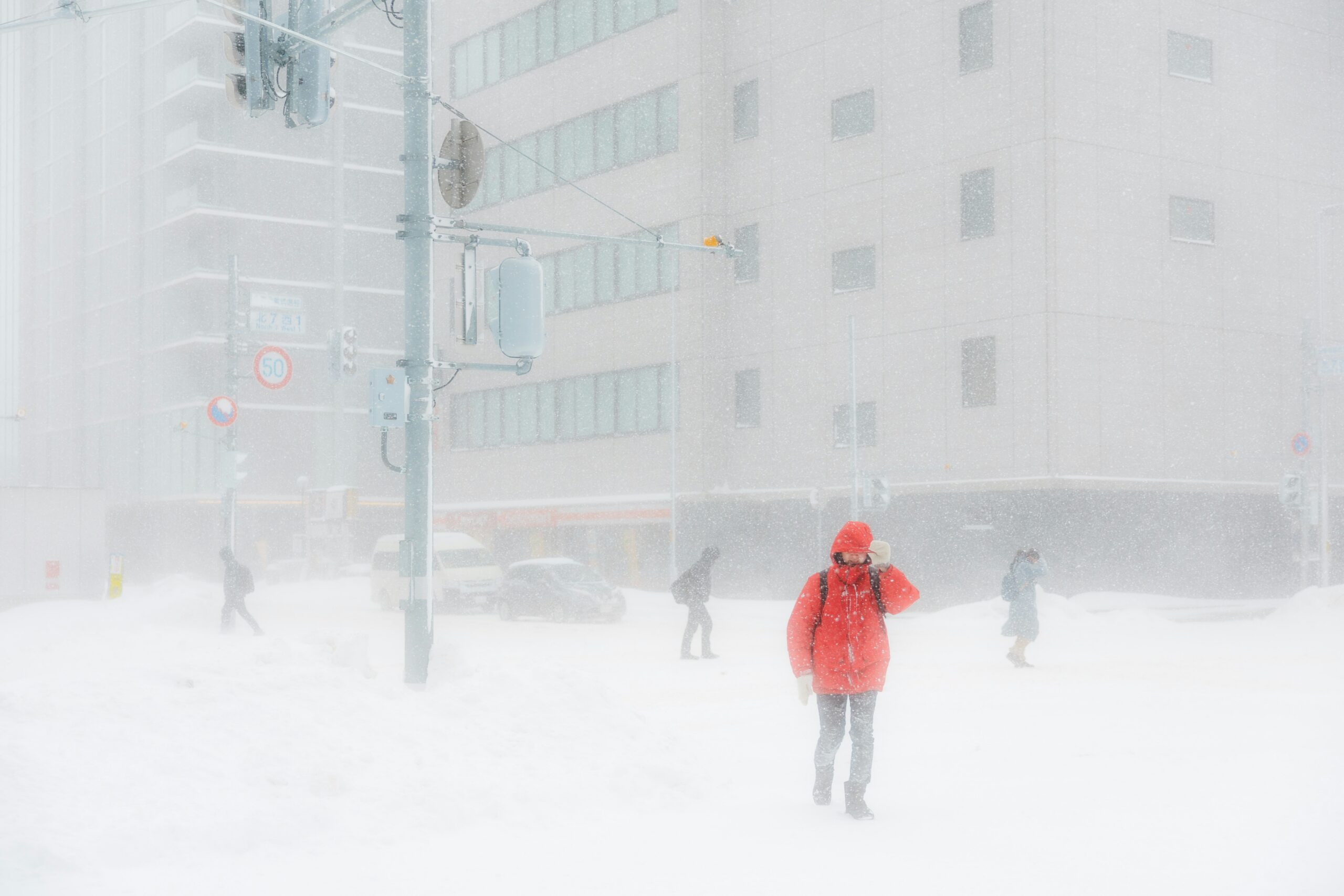
Heavy snow – Japan: At least 35 people died, and more than 393 were injured when catastrophic snowfall buried Northern Japan over the last two weeks, with more snow in the forecast. Snow piles nearly seven feet deep in some areas have prevented emergency vehicles from reaching people in need. At least 1,700 households lost power.
Complex Humanitarian Emergencies – Horn of Africa (Kenya, South Sudan, Somalia, Ethiopia)
Many places worldwide are experiencing conflict, climate change, drought, famine, economic challenges and other conditions which, when combined, create complex humanitarian emergencies (CHEs). CDP maintains complete profiles on several CHEs that are highlighted here weekly to build awareness and philanthropic response.
Tens of millions of people in the Horn of Africa are suffering from severe food insecurity, mass displacement and chronic underfunding of humanitarian aid. A catastrophic drought since 2021, along with political violence, has caused much of the suffering in the region.
Key facts (by country):
Ethiopia:
- Faces its highest level of food insecurity since 2016.
- About 3.5 million people are suffering from critical water and food shortages.
- Nearly one million livestock have died from lack of water and land to graze, fueling hunger and displacement.
Somalia:
- About 90% of Somalia faces severe drought conditions.
- Lack of access to WASH facilities and clean water has fueled disease outbreaks and gender-based violence.
- Around 1.8 million children are acutely malnourished, including more than 500,000 who are severely malnourished.
South Sudan:
- Recurrent flooding over the past five years has displaced hundreds of thousands, destroyed infrastructure and farmland, and left more than 6.6 million people facing acute food insecurity.
- Security forces and allied militias have carried out widespread human rights abuses, including arbitrary arrests, disappearances and intimidation of opponents.
Kenya (arid and semi‑arid areas):
- Kenya has recorded a 70% reduction in crop production, fueling acute hunger for some 4.4 million people and forcing the declaration of a state of emergency.
- Communities face localized flooding, with pastoralists and small farmers struggling to rebuild depleted herds and incomes.
What We’re Reading
- A “No-regrets” Plan for Managing Flood Risk – Innsure Insights
- Women have been mapping the world for centuries – and now they’re speaking up for the people left out of those maps – The Conversation
- Drought spreads beyond Kenya’s arid north, plunging herders into crisis – Reuters
A moment of hope… Africa boasted record-breaking solar expansion in 2025, with installations increasing by about 54%, according to the Global Solar Council (GSC). Growth was driven by both utility‑scale projects and rapidly expanding distributed systems.
“Solar plus storage is the hope of Africa,” said Sonia Dunlop, CEO of the GSC. “This is the technology that can bring energy access, sustainable development, green growth and resilience to natural disasters and extreme weather.”

Gina DeLuca
Content Development Associate