What we’re watching: Weekly disaster update, January 19
Here’s what we’re watching for the week of Jan. 19, 2026.
New or Emerging Disasters
Wildfires – Chile: As of Jan. 18, at least 50,000 people have been evacuated, and 18 people have died as wildfires raged in the Biobío region of Chile, south of Santiago. More than 300 homes have been destroyed, with numbers expected to rise in the coming days. The fires spread rapidly in the middle of the night, trapping people in their homes.
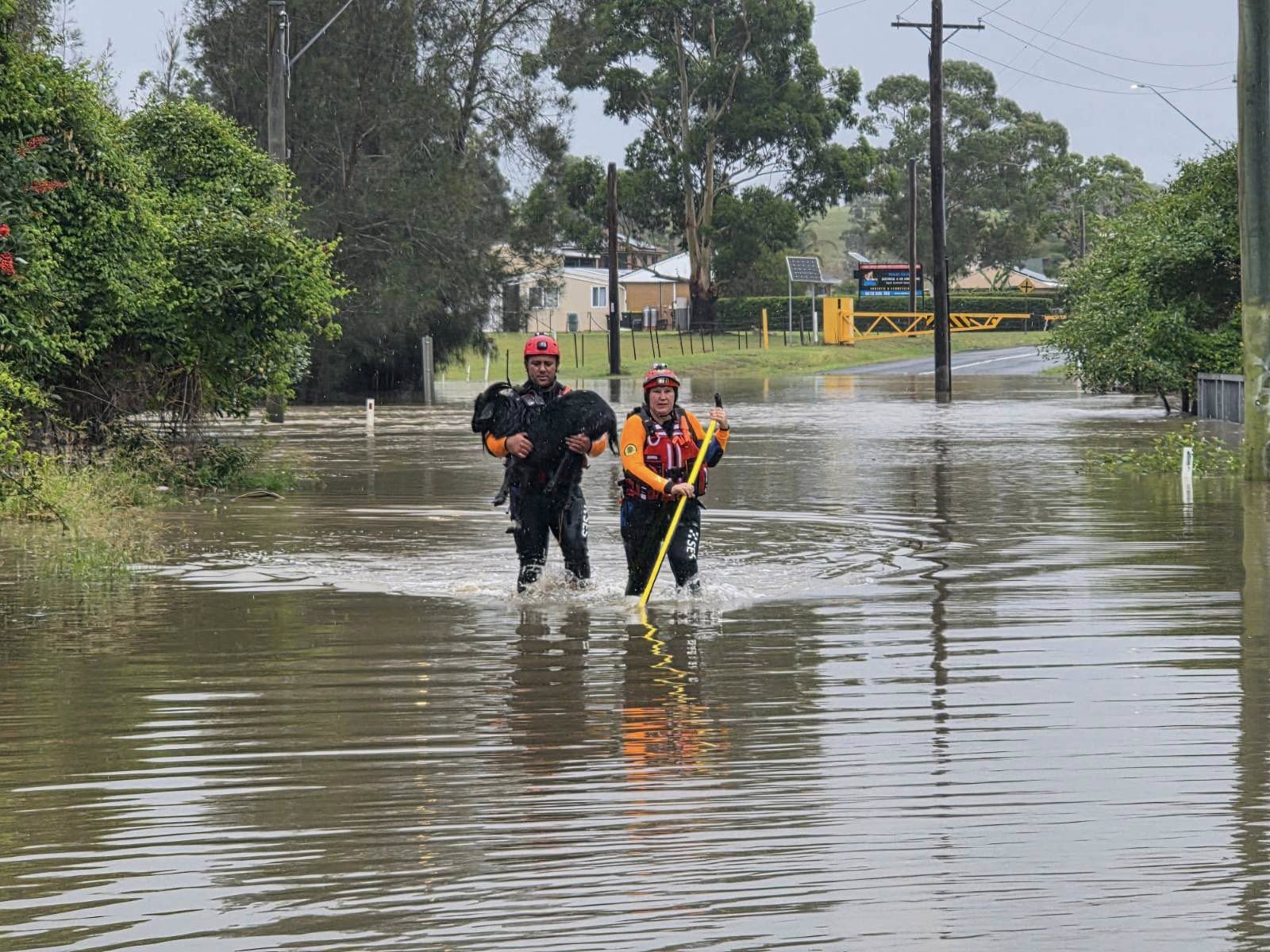
Flooding – Australia: Record rainfall caused devastating floods near Sydney on Jan 16. Over seven inches of rain fell in just six hours, the highest amount recorded in a 24-hour period since 2000.
The floods swept dozens of cars into the sea, and forced hundreds of evacuations. No deaths or injuries were reported.
Severe storms – Multiple countries: Since Jan. 17, the humanitarian situation in Mozambique has deteriorated due to extreme flooding, which killed more than 103 people, though that number is expected to rise.
More than 600,000 people have been affected by the floods, most of them in Mozambique, Zimbabwe and South Africa. At least 4,000 homes have been destroyed.
This disaster has intensified the vulnerability of regions still recovering from Cyclones Chido and Dikeledi in 2025, and a concurrent cholera outbreak. Mandatory evacuations for thousands of people are ongoing and more than 300,000 people have been displaced so far.
Previous/Ongoing Disasters
Winter storm – Gaza: At least 12 people have died from winter conditions in Gaza so far this season. On Jan. 13, major flooding in Gaza deluged tents in refugee displacement camps as a winter storm swept through the region. High winds caused the walls of bombed buildings to collapse on people sheltering in tents nearby, killing six people.
The wind also blew tents and belongings into the sea, leaving several families without protection from the elements. At least 7,000 tents were damaged in the latest storm, with more rain predicted this week.
Complex Humanitarian Emergencies – Afghanistan
Many places worldwide are experiencing conflict, climate change, drought, famine, economic challenges and other conditions which, when combined, create complex humanitarian emergencies (CHEs). CDP maintains complete profiles on several CHEs that are highlighted here weekly to build awareness and philanthropic response.
Humanitarian conditions in Afghanistan continue to worsen, driven by increasing food insecurity, drought, large numbers of returnees, frequent earthquakes and floods, multiple disease outbreaks, and severe protection risks for women and girls.
- About 45% of the Afghan population requires humanitarian assistance.
- In 2026, 17.4 million people are projected to face acute food insecurity, including 4.7 million in IPC Phase 4, more than double the number recorded last year.
- Drought conditions affecting 3.4 million people persist, leading to the failure of nearly 80% of wheat crops in several regions, leaving many families without food stocks for the winter.
- Single women and women-headed households face some of the greatest barriers to receiving aid due to movement restrictions, safety risks, harassment, and lack of documentation.
- A ban on education for girls beyond 6th grade has resulted in child marriage, early pregnancy, poverty and a severe risk of gender-based violence.
- Women and girls are banned from speaking in public, they cannot attend public parks or gyms, and they’re forbidden from playing sports.
- At least 80% of suicide attempts in Afghanistan are committed by women and girls.
- About 50 people are killed or injured each month by explosive ordnance.
- More than 2.61 million Afghans returned from Iran and Pakistan in 2025 alone, placing significant pressure on host communities, basic services and livelihoods.
- An estimated 25% of households relied on contaminated water sources this year, while 37% lacked soap for basic hygiene.
- The Taliban’s erasure of women and girls’ participation in public life amounts to gender apartheid. According to the UN, “Naming gender apartheid is a necessary step toward dismantling it. We must stand in solidarity with those on the front lines by providing a legal name for their lived reality, ensuring the international community can hold perpetrators accountable for the totality of their crimes.”
The $1.71 billion USD required to meet some of Afghanistan’s humanitarian needs represents a 29% reduction compared to the plan in 2025 due to aid cuts, yet the plan aims to reach about 4% more people than last year’s target.
What We’re Reading
- Severe floods increase long-term opioid overdose mortality – Ideas
- California is drought-free for first time in 25 years – NBC
- Refugee families are more likely to become self-reliant if provided with support outside of camp settings – The Conversation
A moment of hope… In Talbisseh, Syria, volunteer carpenters, metalworkers and other tradespeople are repairing bomb-damaged schools without government support so children can return to functional classrooms with doors, windows, desks and bathrooms.
The grassroots campaign has supported 13 schools so far and raised more than £75,000, attracting limited government support. The campaign proves that community initiative has the power to drive reconstruction even as thousands of schools across Syria still need restoration.

Gina DeLuca
Content Development Associate