
What we’re watching: Weekly disaster update, June 8
Some disasters make headlines; others do not. Here at the Center for Disaster Philanthropy (CDP), we monitor the status of disasters worldwide and compile a list of the ones we’re tracking weekly.
Here’s what we’re watching for the week of June 8, 2026.
New or Emerging Disasters
Earthquake – The Philippines: On Monday, June 8, a 7.8 magnitude earthquake struck off the southern coast of the Philippines, killing at least 32 people and displacing tens of thousands of residents. Many buildings collapsed and bridges were damaged.
It was the most powerful earthquake to strike the country in 50 years. Damage from the resulting tsunami was recorded in one southern village, and smaller waves hit as far as Japan.
Extreme heat – Pakistan, India: Since late May, high humidity combined with temperatures reaching 125 degrees Fahrenheit have persisted across Pakistan and parts of India. Power outages and water shortages due to prolonged drought compounded the effects of the extreme heat, leaving citizens with few options available to stay cool.
Extreme heat also creates a surge in cases of gastrointestinal illnesses as warming waters increase the growth of pathogens. The heat has caused dozens of deaths in India and at least ten deaths in Pakistan.
Previous/Ongoing Disasters
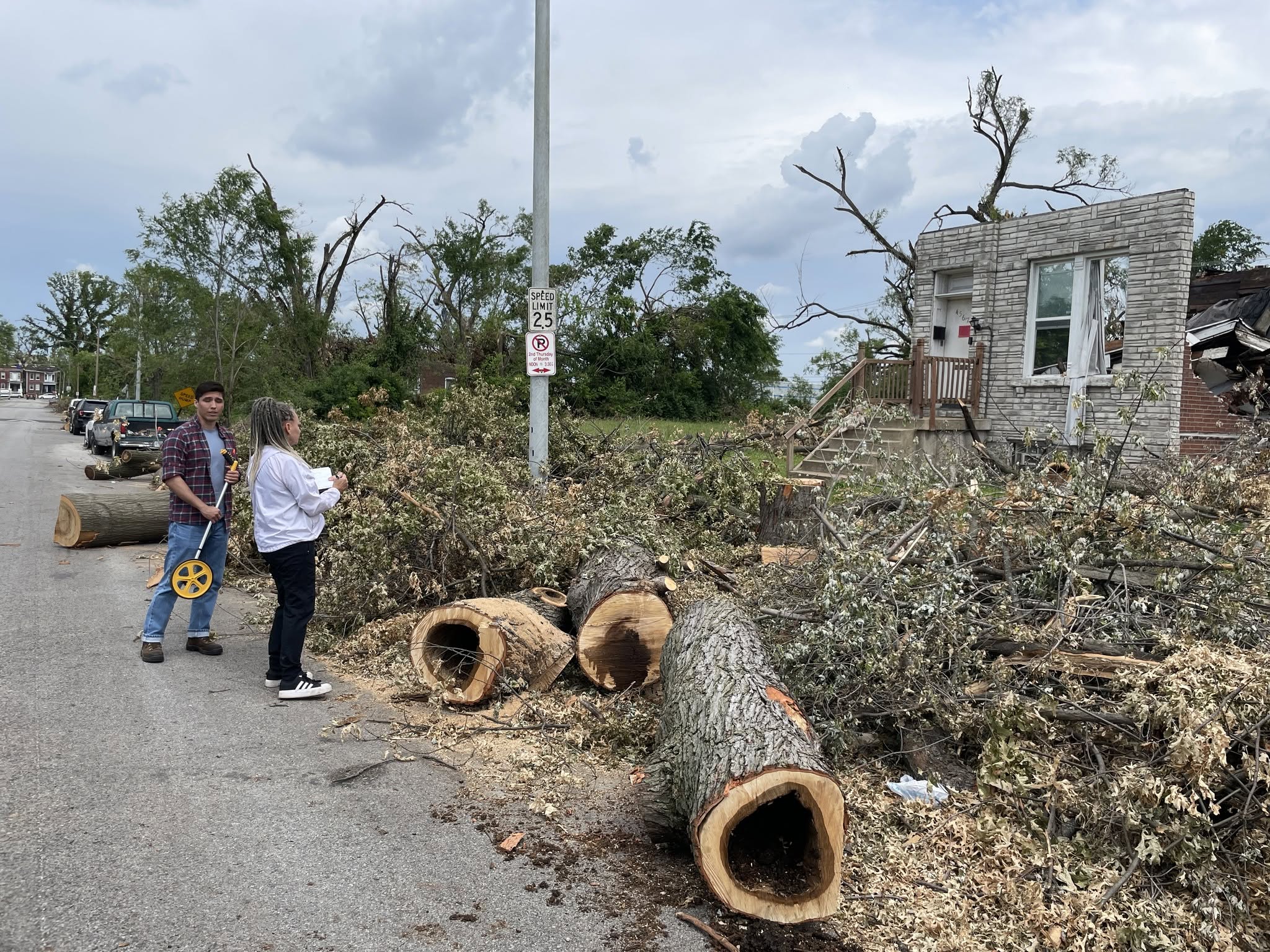
Tornado – St. Louis, Missouri: One year after the May 2025 EF-3 tornado devastated North St. Louis, the city has finally secured a proposed $110 million recovery package, addressing nearly 200 severely damaged properties. However, there are roughly 5,000 damaged or destroyed properties and $1.6 billion in losses, and many residents in predominantly Black neighborhoods are still waiting for insurance payouts, repairs or reconstruction of their homes and businesses.
Complex Humanitarian Emergencies – The Sahel: Nigeria
Many places worldwide are experiencing conflict, climate change, drought, famine, economic challenges and other conditions which, when combined, create complex humanitarian emergencies (CHEs). CDP spotlights one CHE each week to spread awareness and develop a philanthropic response.
The severe humanitarian crisis in Nigeria is driven by conflict, displacement and climate shocks, with 5.9 million people in need of assistance and millions more affected by widespread food insecurity, malnutrition and protection risks, particularly in the northeast. Economic pressure as well as escalating violence by non-state armed groups has displaced millions and pushed up to 35 million people toward crisis-level hunger in 2026.
Key facts:
- For the first time in nearly a decade, populations in Borno State have reached IPC Phase 5 (catastrophic hunger).
- In 2026, more than 3 million children nationwide require life-saving treatment for severe wasting, a consequence of prolonged hunger. Funding cuts and humanitarian system reforms have reduced the capacity of organizations to provide treatment, leaving millions at risk of preventable illness and death.
- Security incidents increased by 27% between January–March 2026 compared to the same period in 2025 in northeastern Nigeria.
- In the first eight months of 2025, 4,000 people were killed, compared to the same number of people killed in all of 2023.
- Women and girls face heightened risks of sexual and gender-based violence, early marriage and loss of livelihoods, and are forced to adopt negative coping mechanisms. Men and boys often suffer forced recruitment and arbitrary detention.
- In the northwest, violence from armed criminals is displacing hundreds of thousands of people. Efforts to relocate IDPs to safer areas have been repeatedly foiled by persistent insecurity, with relocation sites frequently targeted or attacked, undermining protection gains and forcing further displacement.
- With more than 3.7 million people displaced, most of whom are children, protection risks remain high across Nigeria.
- Borno State in the northeast is facing a new cholera outbreak. Populations displaced by armed conflict are among the most exposed due to overcrowded camps, limited access to safe drinking water and deteriorating sanitation infrastructure.
World Food Program warns that the most vulnerable people in West and Central Africa face yet another dire year, with a staggering 55 million people in the region expected to endure crisis levels of hunger during the June–August 2026 lean season. The stabilizing lifeline of food assistance risks disappearing entirely due to lack of funding, precisely as insurgent attacks and climate shocks intensify.
Register for our webinar on June 18
The Ebola outbreak: How funders can support locally led response
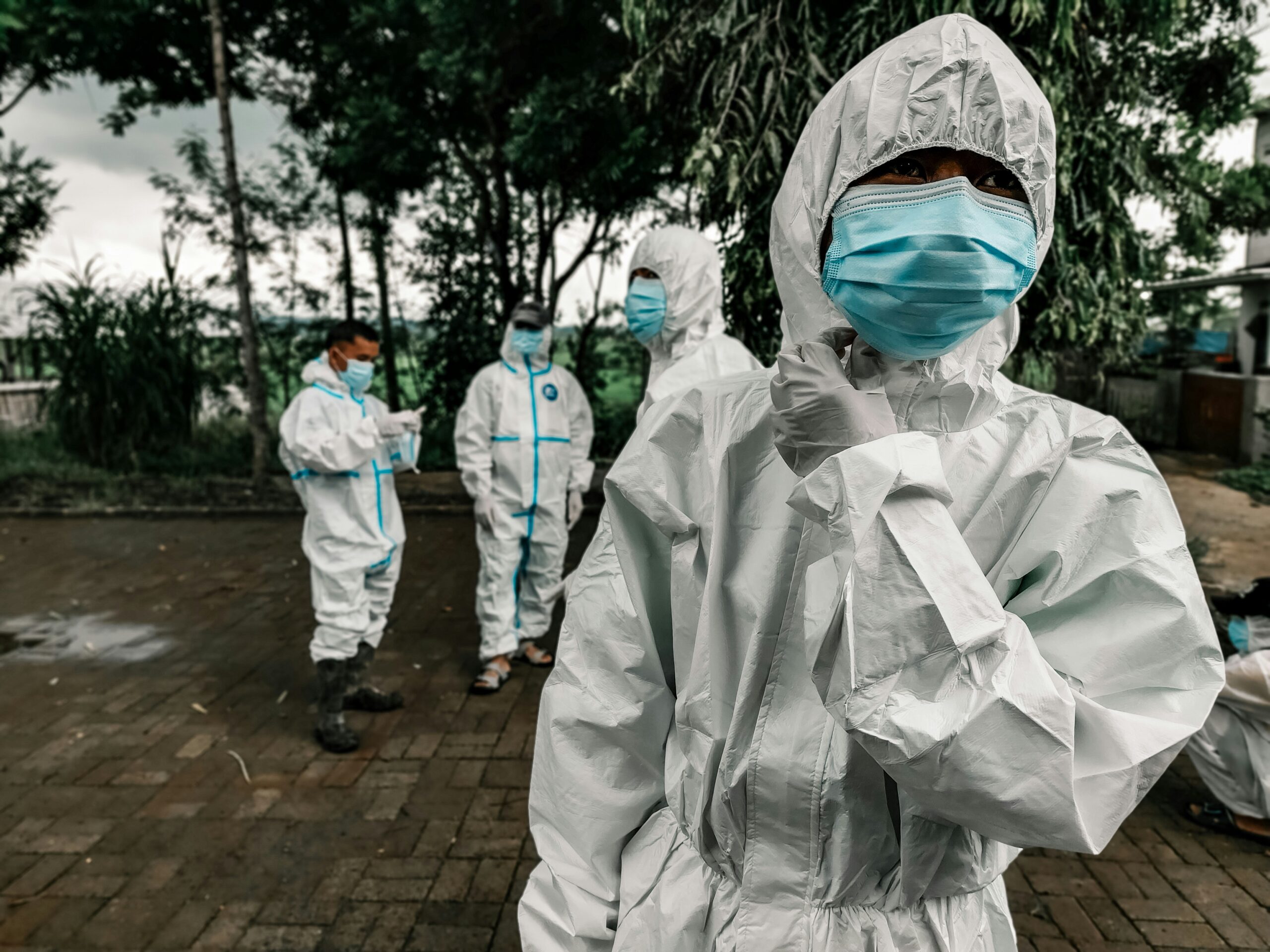 People wearing personal protective equipment. (Photo by Gani Nurhakim on Unsplash)
 What We’re Reading
- ‘Some people’s lives matter more than others’: local responders in Sudan feel ignored as the world focuses on other crises – The Conversation
- As a Colorado Aquifer Runs Low, Dangerous Heavy Metals Threaten Rural Communities’ Drinking Water – Inside Climate News
- St. Louis Tornado Recovery One Year Later: High Taxes, Slow Response, and Growing Frustration in 2026 – STL News
A moment of hope… Nigeria and China have launched a $1 billion National Integrated Poultry Project to expand domestic poultry production in Nigeria, reducing the need for imports, lowering food costs and improving food security. The initiative will generate tens of thousands of jobs while producing up to six million eggs daily, boosting incomes by around 30% and increasing access to protein.

Gina DeLuca
Content Development Associate