What we’re watching: Weekly disaster update, March 16
Some disasters make headlines; others do not. Here at the Center for Disaster Philanthropy (CDP), we monitor the status of disasters worldwide and compile a list of the ones we’re tracking weekly.
Here’s what we’re watching for the week of March. 16, 2026.
New or Emerging Disasters
Severe storms – Multiple states: On March 10-11, severe storms that produced dangerous tornadoes struck Illinois, Indiana and Michigan. Two people were killed. Heavy rainfall caused massive flooding, and softball-sized hail damaged roofs and cars. Trees were downed and many buildings were damaged or destroyed.
Louisiana reported six tornadoes on March 11 that caused downed trees and damage to homes in areas still recovering from Hurricane Ida.
Although tornado season doesn’t typically begin until April, at least 30 tornadoes were reported across 20 states over the past week, including an EF-3 tornado passing the Chicago area.
Extreme heat – Multiple states: Record breaking heat is set to hit the Southwest and West Coast this week, with temperatures 20 to 30 degrees higher than average for this time of year.
In some areas of Arizona, the heat index will reach 109 degrees. Heat warnings and advisories have been issued in multiple states.
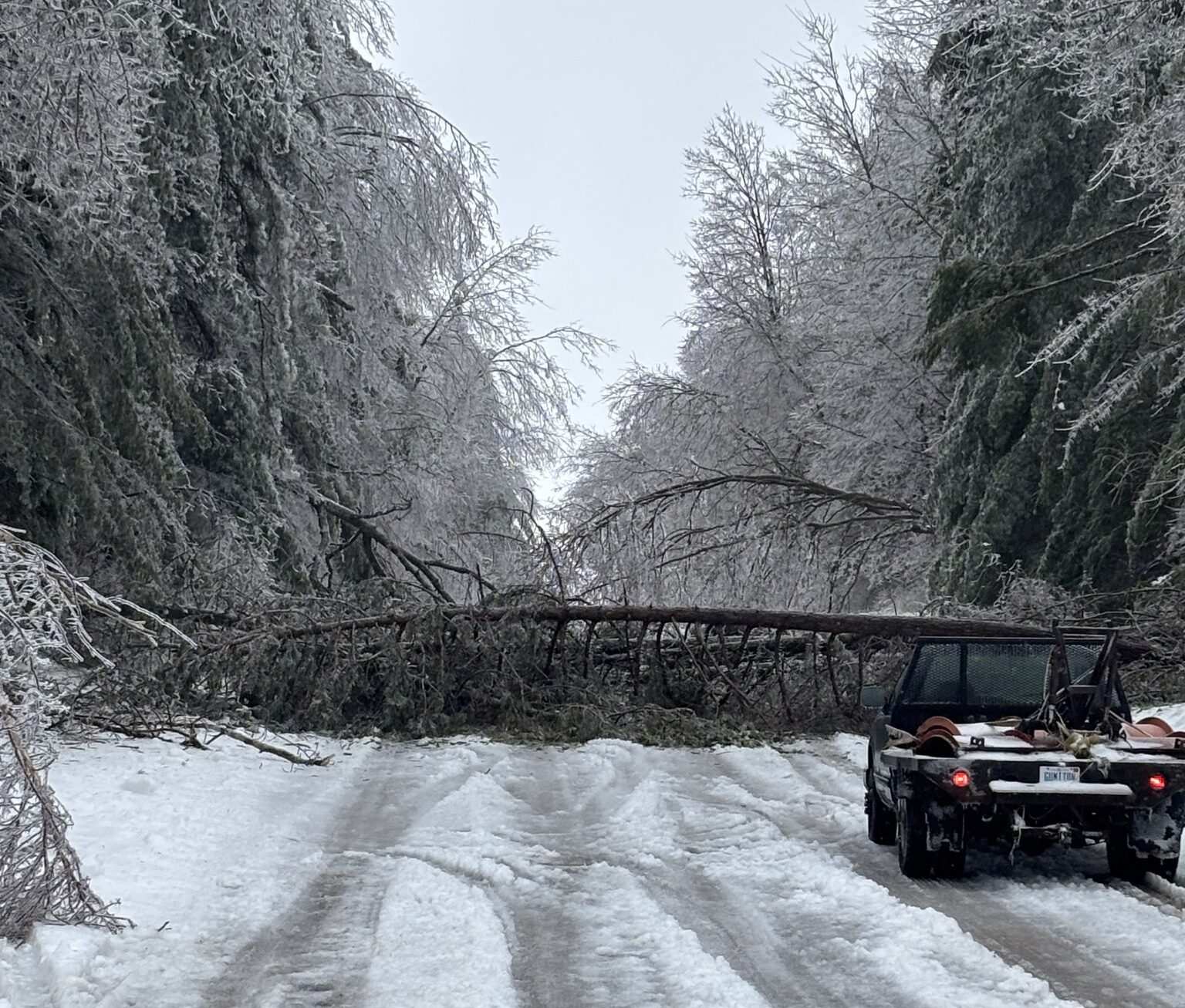
Winter storm – Multiple states: A historic winter storm brought blizzard conditions to the Midwest on March 15. Hundreds of thousands of customers lost power, and flights were canceled across multiple states. Parts of Wisconsin recorded over two feet of snow, and snow totals exceeded three feet in northern Michigan.
Kona storm – Hawaii: A Kona low is a type of subtropical cyclone that tends to devastate the leeward side of islands – the side not exposed to prevailing winds. Hawaii Governor Josh Green declared a state of emergency last week, after several days of Kona low storm conditions produced catastrophic flooding and landslides, with rain falling two to three inches per hour on Maui.
At least 20 inches of rain fell in 24 hours in some areas, with totals exceeding 34 inches. Between one and two feet of snow fell at Hawaii’s highest peaks. Winds reached over 100 mph, and rescuers raced to pull people from rising waters. Many people are calling this the worst rainstorm in the island’s modern history, as the damage is still being assessed.
Landslide – Ethiopia: After a week of heavy rain, landslides occurred in southern Ethiopia, killing at least 50 people with 125 residents still missing. Rescue operations are ongoing and damage is still being assessed. As rain is expected to continue, officials are urging residents to seek higher ground.
Previous/Ongoing Disasters
Flooding – Kenya: After a long period of drought, a month’s worth of rain fell in just 24 hours in Nairobi on March 6, causing catastrophic floods. The floods killed 42 people and washed away 172 vehicles. Motorists were stranded for hours and flights were disrupted. Hundreds of homes were affected and farmland was decimated.
Complex Humanitarian Emergencies – Horn of Africa (Somalia, Ethiopia, Sudan, South Sudan and Kenya)
Many places worldwide are experiencing conflict, climate change, drought, famine, economic challenges and other conditions which, when combined, create complex humanitarian emergencies (CHEs). CDP spotlights one CHE each week to spread awareness and develop a philanthropic response.
The Horn of Africa is entering 2026 in a deepening humanitarian crisis, with tens of millions facing severe food insecurity, widespread displacement and escalating protection risks driven by drought and climate extremes.
Key facts:
- Across East Africa, more than 36 million people are facing critical food insecurity as of early 2026, due to prolonged drought and extreme temperatures.
- Failed rains from October through December have pushed 28 million people into extreme hunger.
- One assessment found that in some Ethiopian and Kenyan areas, poor rainy seasons caused crop losses of roughly one third to over half of expected production, leaving households with minimal harvests.
- Staple cereal prices have reached record highs in many affected markets, sharply reducing access to food as families cut meal size, skip meals or resort to lower quality diets.
- More than 58 million people lack access to safe drinking water, forcing many women and girls to walk long distances to collect small amounts of water, exposing them gender-based violence and exploitation.
- Livestock deaths are extensive: according to one report, more than 400,000 animals have already died, with another 2.5 million at risk in drought-affected areas, undermining pastoralist livelihoods and prompting further displacement.
- As water sources and pasture shrink, competition between communities is rising, fueling local conflict and insecurity in parts of southern Ethiopia, eastern and northeastern Kenya and southern Somalia, constraining safe access to aid.
- Children are increasingly pushed into child labor, early marriage or hazardous migration as families struggle to survive prolonged crisis conditions.
Funding gaps are severe: global cuts mean agencies like World Food Program are prioritizing only the most food insecure people worldwide in 2026, limiting how many in the Horn can be reached despite rising needs. Even where assistance is available, insecurity, poor infrastructure and climate-damaged roads impede regular delivery of food, water and health services to remote communities experiencing drought.
What We’re Reading
- A Second Chance to Get Rural America Right – Chronicle of Philanthropy
- The Billionaire Backlash Against a Philanthropic Dream – The New York Times
- A New Era of Data Center Development Is Like a Second Industrial Revolution – Inside Climate News
A moment of hope… A rare super bloom is transforming Death Valley National Park into its largest and most vibrant spring wildflower display in 10 years, thanks to ideally spaced seasonal rains and gentler winter winds that allowed long–dormant bulbs and roots to erupt into color across elevations.
Visitors can see sweeping fields of desert gold, wavyleaf desert paintbrush, grape soda lupin and desert star already peaking at low elevations through late March. Higher elevation blooms are expected to turn “super” in April, supporting a surge of insects, nesting birds and even the park’s uniquely adapted desert fish in a landscape known for extreme heat and aridity.

Gina DeLuca
Content Development Associate