What we’re watching: Weekly disaster update, March 2
Some disasters make headlines; others do not. Here at the Center for Disaster Philanthropy (CDP), we monitor the status of disasters worldwide and compile a list of the ones we’re tracking weekly.
Here’s what we’re watching for the week of March. 2, 2026.
New or Emerging Disasters
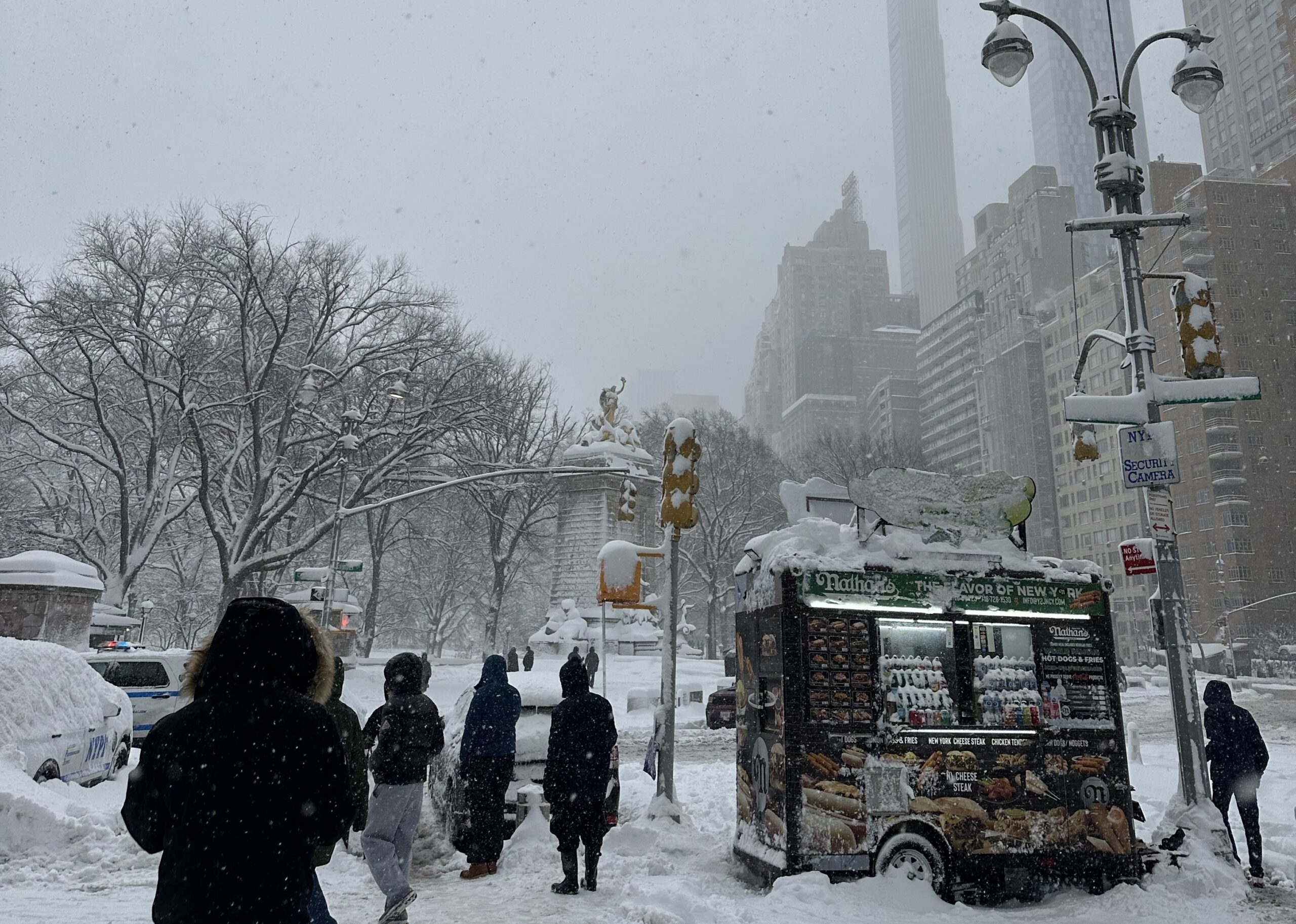
Blizzard – Multiple States: A historic, record-breaking blizzard brought several feet of snow and 98 mph winds to parts of the Northeast on Feb. 23. Providence, Rhode Island, experienced the worst blizzard on record, with 37 inches of snow falling in less than 24 hours.
Nearly 17 inches of snow fell in New York City. In some areas, up to 4 inches of snow fell per hour, and travel bans in several states barred drivers from roadways. High winds caused power outages, and more than 10,000 flights across the East Coast were canceled. Winter storms have caused 150 deaths in the U.S. in just 32 days.
Flooding – Brazil: At least 70 people have died in floods and landslides caused by heavy rain in southern Brazil since Feb. 23. Nearly 8,000 people have been displaced by the storms, and an additional 2,203 are homeless. Residents are sheltering in schools and churches.
Cyclone Urmil – Fiji: A Category 2 cyclone caused power outages on Viti Levu and severe flooding in the island group on Feb. 28. Schools closed on March 1, and many roads were impassable.
At least 500 people in Lautoka remained totally cut off from evacuation points as of March 1, with no access to clean water and no shelters for families forced from their homes from flood damage. Access to medical facilities and grocery stores has been cut off due to flooding.
Previous/Ongoing Disasters
Fuel Shortage – Cuba: Cuba’s humanitarian situation has deteriorated rapidly since the U.S. ordered a fuel blockade on the country in late January. As more than 90% of all critical services in Cuba rely on oil, daily life has become fragile for citizens.
Power outages last more than 20 hours a day. Clean water is scarce and schools are closed. Hospitals struggle to operate. Medication and food cannot be properly delivered or stored. Waste management has stopped, and garbage is piling up in the streets.
Cuba still has not recovered from the damage done by Hurricane Melissa and now faces a complex humanitarian emergency, with dire consequences for vulnerable groups.
Complex Humanitarian Emergencies – Haiti
Many places worldwide are experiencing conflict, climate change, drought, famine, economic challenges and other conditions that, when combined, create complex humanitarian emergencies (CHEs). CDP spotlights one CHE each week to raise awareness and encourage philanthropic support.
Haiti entered 2026 in a multidimensional crisis marked by political deadlock, a decade without presidential elections and severely weakened state authority. The country faces one of the world’s most severe humanitarian emergencies, driven by gang violence, state collapse, mass displacement and worsening hunger.
Key facts:
- Approximately six million people (over half the population) need humanitarian assistance in 2026.
- Armed gangs control 90% of Port-au-Prince, and violence has spread to other departments.
- Between January 2022 and January 2026, about 16,000 people have been killed.
- Approximately 1.5 million people have been internally displaced.
- Gangs are responsible for kidnapping, murdering and committing widespread sexual violence.
- According to the U.N., “Gangs dominate supply chains and extort commerce and humanitarian transport routes, giving them huge power to siphon off Haiti’s resources and destabilize its economy. With access to sophisticated, military-grade weaponry – a supply that outmatches that of the Haitian National Police – they are able to conduct coordinated operations against the Haitian government and rivals, while terrorizing populations via extortion, kidnappings for ransom and killings.”
- Children account for nearly half of armed-group ranks.
- About 5.7 million people are experiencing severe food insecurity.
- Health facilities are barely functioning in many areas and cholera remains a major public health concern.
- About 1,600 schools closed due to violence during the 2024–25 school year, leaving more than 1.5 million children without access to education.
- Armed violence is now the dominant force shaping daily life. A UN-backed gang suppression force and national police achieved limited security gains.
The 2026 Humanitarian Response Plan seeks $880 million USD to assist 4.2 million of Haiti’s most vulnerable people. At the start of February 2026, the appeal was less than 4% funded, forcing severe cuts to many essential services. Haiti remains among the least funded humanitarian crises in the world.
What We’re Reading
- An ‘investor collaborative’ for long-term disaster recovery – Candid
- Sixth year of drought in Texas and Oklahoma leaves ranchers facing wildfires and bracing for another tough year – The Conversation
- Trump’s climate health rollback likely will hit vulnerable communities the most, experts say – Associated Press
A moment of hope… A regenerative agriculture program in Kenya, led by Farm Africa’s STRAK project, has trained smallholder farmers in practices such as intercropping, agroforestry and crop rotation.
More than 70% of participating farmers in Embu and Tharaka Nithi counties have adopted these methods, achieving up to 81% higher yields, 92% better water retention, and major reductions in crop failure, soil erosion and chemical use, with independent analysis confirming large gains in soil health and microbial diversity.

Gina DeLuca
Content Development Associate