
What we’re watching: Weekly disaster update, March 30
Some disasters make headlines; others do not. Here at the Center for Disaster Philanthropy (CDP), we monitor the status of disasters worldwide and compile a list of the ones we’re tracking weekly.
Here’s what we’re watching for the week of March. 30, 2026.
New or Emerging Disasters
Flooding – Multiple countries: Amid war between both countries, heavy rain in Afghanistan and Pakistan caused severe flooding, killing 45 people and injuring 75 in the past five days. More than 1,000 families on both sides of the border have been affected.
At least 130 homes were destroyed, and many of the deaths were caused by buildings and homes collapsing. The United Nations lists Afghanistan and Pakistan among nations most vulnerable to extreme weather and climate events.
Flooding, Landslides – Multiple countries: On March 25, heavy rain and strong winds triggered landslides in the Mbeya region of Tanzania, killing at least 20 people. Climate experts from the Climate Prediction and Applications Centre are warning that there is a 45% chance of heavier rainfall in the region between March and May.
At least 80 people in Ethiopia and another 88 in Kenya died in early March from flooding.
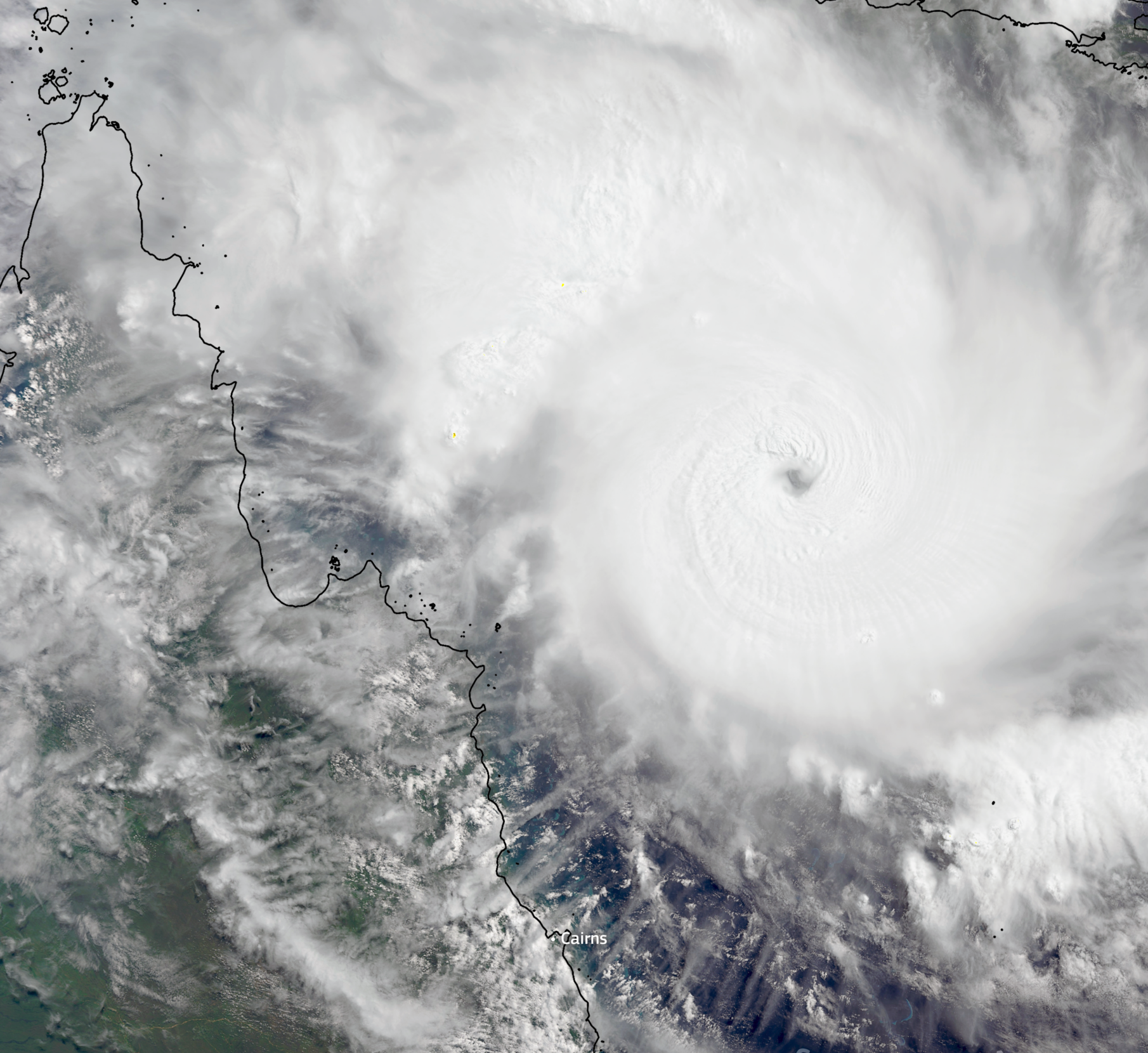
Cyclone Narelle – Australia: A powerful cyclone made landfall three separate times in Australia this past week, producing Category 5 wind speeds of up to 150 mph and heavy rainfall.
The winds kicked up iron-rich dust and soil, causing what residents described as “apocalyptic” red skies. Homes were damaged or destroyed, thousands of customers lost power in the storm and towns became isolated after roadways flooded.
Previous/Ongoing Disasters
Energy crisis – Cuba: According to U.N. OCHA, “Cuba has suffered three nationwide grid collapses this month alone, leaving over 10 million people without electricity after three consecutive months without diesel, fuel oil, gasoline, jet fuel or liquefied petroleum gas. The country produces barely 40% of the fuel it needs, and restoration efforts continue to prioritize hospitals and critical infrastructure amid an aging and highly vulnerable grid.”
Complex Humanitarian Emergencies – The Sahel
Many places worldwide are experiencing conflict, climate change, drought, famine, economic challenges and other conditions which, when combined, create complex humanitarian emergencies (CHEs). CDP spotlights one CHE each week to spread awareness and develop a philanthropic response.
The Sahel faces a worsening humanitarian emergency in 2026, driven by climate shocks, conflict and underfunded response, causing massive strain for health systems and for people with disabilities in particular.
Key facts:
- Africa CDC’s March 2026 epidemic intelligence reports track that emerging and endemic threats such as viral hemorrhagic fevers, malaria surges and waterborne disease in displacement and flood-affected areas plague the Sahel region.
- Roughly 52.8 million people in the wider Sahel region could face crisis-level hunger or worse during the June–August 2026 lean season.
- Climate shocks have devastated farming and fishing industries, which employ about 70% of the regional workforce, driving food and water scarcity, displacement and poverty.
- In some northern Sahel communities, farmers reported no harvests for more than seven years, forcing many households to abandon agriculture and migrate or resort to precarious work.
- Disability, age, gender and migrant status intersect with climate vulnerability, limiting a person’s ability to move away from degraded lands or conflict areas and to adapt to alternative options.
- The average life expectancy in the Sahel is 57 years, roughly two decades shorter than in high income regions. Approximately 102 children per 1000 will not survive beyond age five.
- Analysts highlight that the escalating hunger crisis will strain already weak health systems, increasing admissions for severe wasting, micronutrient deficiencies and preventable child deaths if treatment coverage and community outreach are not rapidly scaled up.
- WHO’s 2026 global health emergency appeal notes that severe funding constraints are disrupting more than 6,600 health facilities worldwide and leaving hundreds of millions at risk, a pattern that includes Sahel countries where humanitarian health responses are under-resourced and forced to cut or “hyper-prioritize” services.
- In 2025, WHO verified 1,349 attacks on health care across 22 crisis settings, causing 1,981 deaths and 1,168 injuries among patients and health workers, degrading already fragile health systems.
- Africa CDC’s March 2026 epidemic intelligence reports track that emerging and endemic threats such as viral hemorrhagic fevers, malaria surges and waterborne disease in displacement and flood-affected areas plague the Sahel region.
Insecurity, climate change and market volatility are jointly pushing needs up while humanitarian access and funding fall short, with ration cuts in places like Mali linked to a 64% spike in people facing crisis hunger since 2023.
Upcoming webinar
Supporting communities in crisis: Evidence on funder motivations, barriers and opportunities
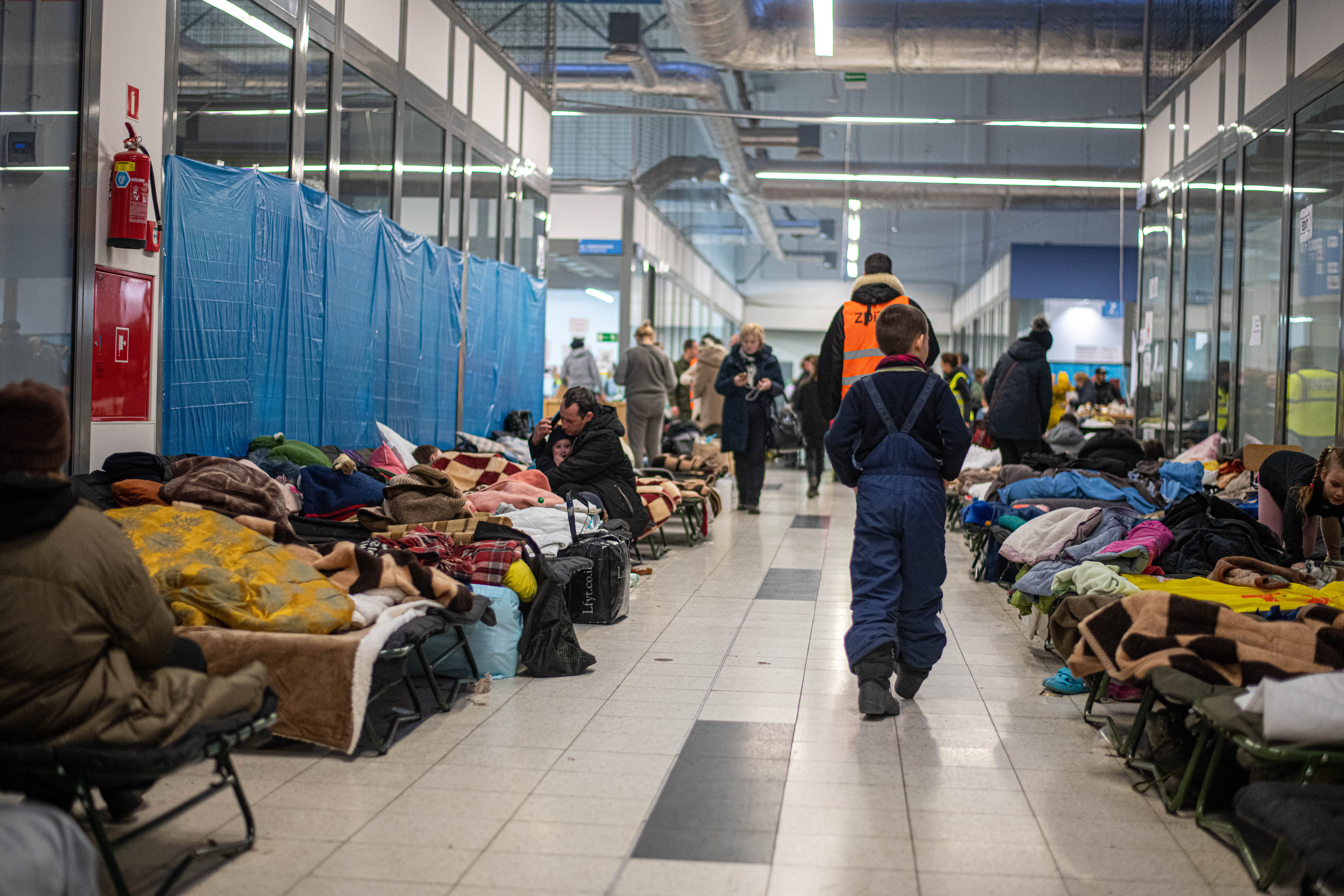 Refugees at a refugee camp in Poland fleeing from Russia’s invasion of Ukraine, March 2022. Photo by Tom Remp
 What We’re Reading
- Organizations continue to make progress for gender equality – Candid
- FEMA funds delayed by administration leave rural towns in peril – NPR
- Middle East war strains humanitarian groups after US aid reduction – AP News
A moment of hope… Once of the most toxic mining wastelands in the U.S., the Tar Creek Superfund site in Oklahoma has been transformed into thriving agricultural lands by the Quapaw Nation.
After taking over cleanup efforts in 2013, the tribe removed millions of tons of contaminated waste. The Quapaw then restored the soil and waterways, and now sustainably raises cattle, bison and crops on land that had been abandoned for decades. Their work stands as both a success in totally restoring unusable toxic land and as a reclamation of cultural heritage.

Gina DeLuca
Content Development Associate