
What we’re watching: Weekly disaster update, May 11
Some disasters make headlines; others do not. Here at the Center for Disaster Philanthropy (CDP), we monitor the status of disasters worldwide and compile a list of the ones we’re tracking weekly.
Here’s what we’re watching for the week of May 11, 2026.
New or Emerging Disasters
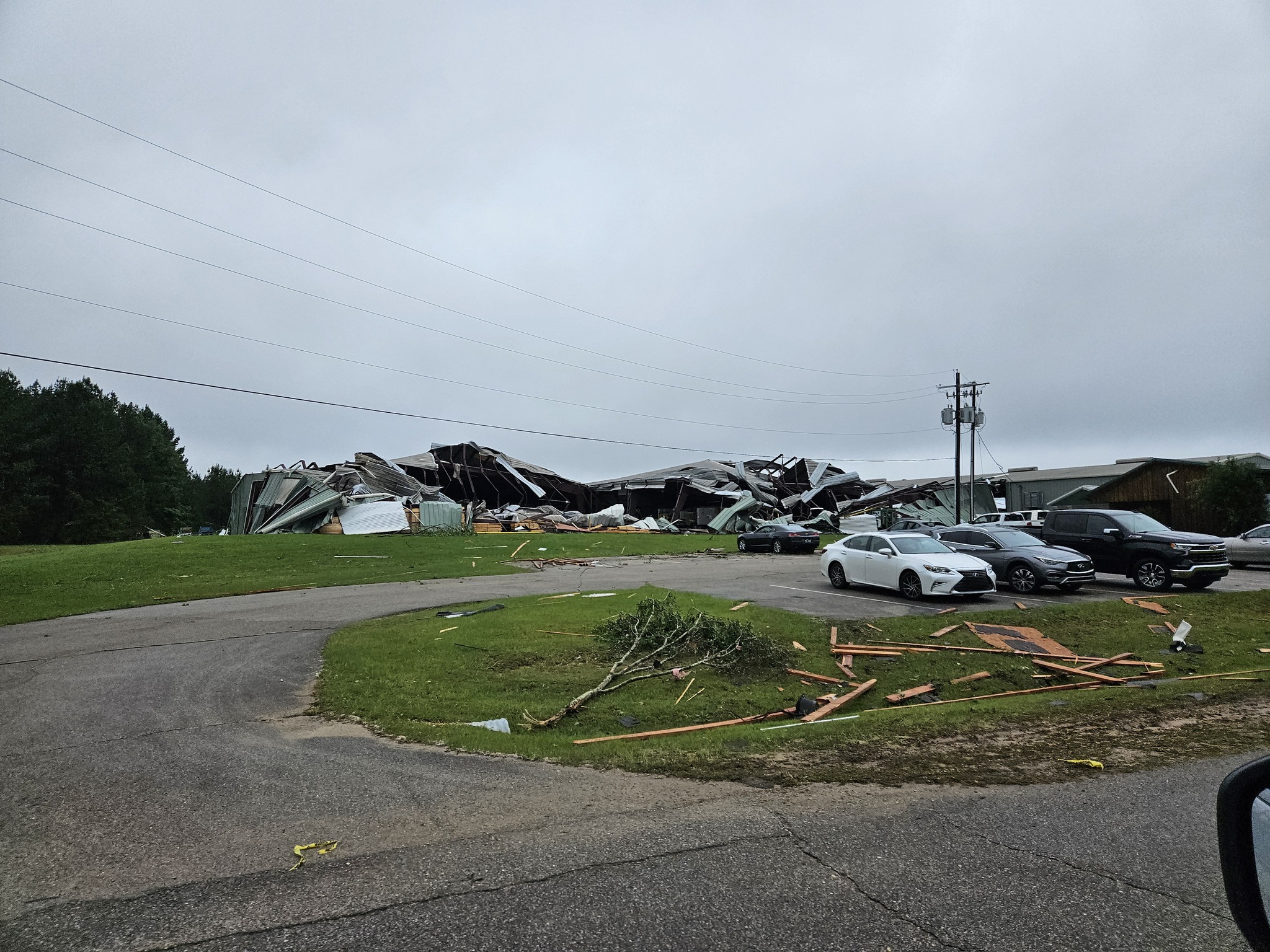
Tornadoes – Mississippi: On May 6, three tornadoes tore through southern Mississippi. At least 500 homes were damaged or destroyed across five counties. No deaths were reported but 17 people were injured, including a dozen residents of a mobile home park in Bogue Chitto. Many residents were at work at the time of the storm. After hearing faint meows under a collapsed home, a storm chaser rescued a kitten trapped in the debris.
Flooding – Nepal: Torrential rain caused catastrophic flooding in Western Nepal on Saturday, May 9. The water washed away more than two dozen roads, irrigation canals, culverts and water pipelines. Food crops and farmland were also damaged, and a funeral pyre was swept away. Water storage tanks and pipelines were damaged, forcing more than 300 families to travel long distances to find clean water.
Previous/Ongoing Disasters
Hurricane Melissa – Jamaica: It has been seven months since Hurricane Melissa, a Category 5 hurricane, made landfall in Jamaica in late October 2025. The storm affected 1.5 million people, causing at least 45 deaths. Damages are estimated to cost US$ 8.8 billion, equivalent to 41% of the country’s 2024 Gross Domestic Product (GDP). Now, more than 90% of water facilities and 99% of power have been restored, with approximately 1,500 customers still without electricity.
Though recovery has progressed, many families still live in temporary shelters, have nutrient-poor diets, and are struggling to get back on their feet. A Government of Jamaica assessment estimated that approximately 190,000 homes were damaged by Hurricane Melissa, with nearly 24,000 destroyed. Losing a home after a disaster is especially harmful for women and girls who can easily become targets of sexual exploitation and abuse. Additionally, rebuilding homes to withstand the next hurricane is more expensive than most people can afford. Overall, Jamaica remains vulnerable as hurricane season approaches.
Complex Humanitarian Emergencies – Syria
Many places worldwide are experiencing conflict, climate change, drought, famine, economic challenges and other conditions which, when combined, create complex humanitarian emergencies (CHEs). CDP spotlights one CHE each week to spread awareness and develop a philanthropic response.
After 14 years of conflict, economic collapse, climate shocks, damaged infrastructure and declining aid, more than 16 million Syrians need humanitarian assistance in 2026. Women, children, displaced families and people living in informal settlements remain the most vulnerable.
Key facts:
- More than 6.5 million Syrians remain internally displaced, many living in overcrowded camps with limited services. Renewed violence in Aleppo and northeast Syria in early 2026 displaced hundreds of thousands more people.
- Landmines and unexploded ordnance threaten all civilians but especially children, while women and girls face increased risks of gender-based violence. Children are increasingly vulnerable to child labor, trafficking, recruitment by armed groups and child marriage.
- Syria’s health system remains severely weakened, with nearly 40% of hospitals and health facilities partially or completely non-functional. Cholera, measles and other preventable diseases continue to spread due to poor sanitation, damaged water systems and low immunization coverage. Around 2 million children are at risk of malnutrition, while families exposed to repeated violence and displacement face growing mental health and psychosocial challenges.
- Food insecurity and climate pressures continue to worsen conditions across the country. More than half the population is food insecure, while prolonged drought, water scarcity, inflation and collapsing livelihoods have devastated agricultural production. More than 90% of Syrians live below the poverty line, with rising food and fuel prices exacerbating hardship.
Despite these challenges, Syrians are leading much of the humanitarian response. Community-led groups, volunteers and local NGOs are rebuilding neighborhoods, restoring services, supporting displaced families, operating clinics and schools and strengthening food security. Many humanitarian experts emphasize that sustainable recovery will depend on stronger support for locally led initiatives and continued international assistance.
What We’re Reading
- How AI is changing the world of development grantmaking – Devex
- Lebanon war leaves families foraging for food despite ceasefire – UN News
- Air-Conditioning Is in Short Supply as Asia Swelters – The New York Times
A moment of hope… In May 2026, the United Nations formally concluded its 11-year cross-border humanitarian mission from Turkey into Syria, marking a transition from emergency aid convoys to more sustainable commercial supply routes. Over the course of the operation, more than 65,000 trucks delivered life-saving assistance to an average of 1.25 million people annually. UN officials described the closure as a positive shift toward the normalization of trade, and a forward-looking model built on improved regional stability.

Gina DeLuca
Content Development Associate