
What we’re watching: Weekly disaster update, May 18
Some disasters make headlines; others do not. Here at the Center for Disaster Philanthropy (CDP), we monitor the status of disasters worldwide and compile a list of the ones we’re tracking weekly.
Here’s what we’re watching for the week of May 18, 2026.
New or Emerging Disasters
Severe storm – India: An unseasonable, violent storm brought large hail, lightning and high winds to Uttar Pradesh, India on May 13. The lightning and wind caused billboards to crash and uprooted trees. At least 111 people died and 50 were injured. Many deaths were caused by falling trees and collapsing homes.
Storms like this are uncommon ahead of the monsoon season. India has been experiencing a severe heat wave, and in late April, every one of the world’s 50 hottest cities was in India.
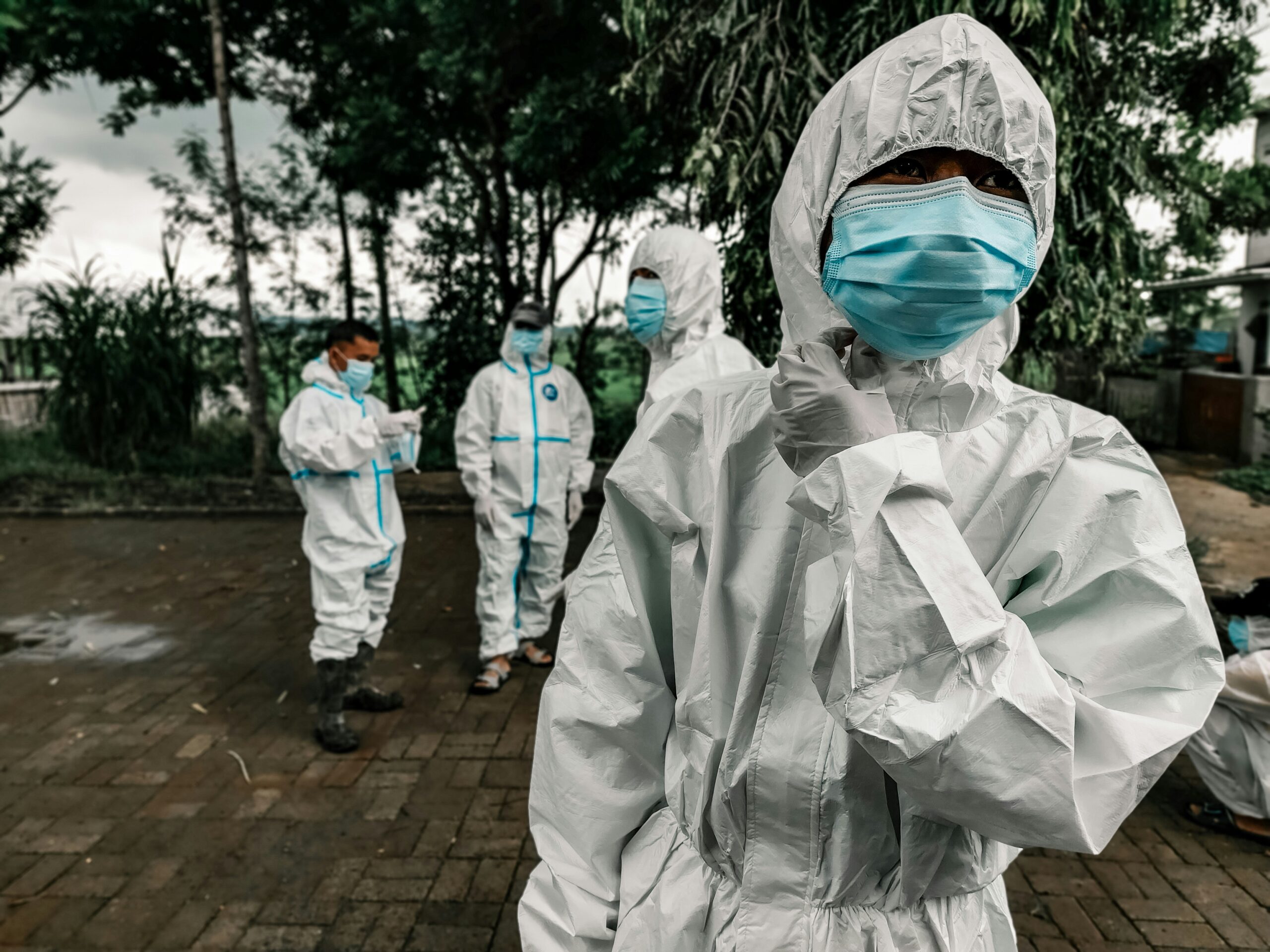
Disease outbreak – Democratic Republic of Congo (DRC), Uganda: The World Health Organization issued a global health emergency for an Ebola virus outbreak in eastern DRC. Currently, nearly 500 cases have been reported, and 131 people have died in DRC. Those numbers are likely higher. The epicenter of the outbreak is located in Ituri province, which borders Uganda and South Sudan, raising the risk of a regional spread, with two cases already reported in Kampala, Uganda.
All but one of DRC’s 17 other Ebola outbreaks were caused by the common Zaire strain of the virus. The current Bundibugyo strain is rare, and no vaccine or treatment is available. The existing complex humanitarian emergency in eastern DRC is dire, driven by severe conflict, mass displacement and hunger.
Flooding – South Africa: Since May 4, at least 10 people died and many homes were destroyed across six provinces in South Africa after bouts of torrential rain, high winds and lightning. In Cape Town, approximately 10,000 structures were damaged or destroyed, and 26 informal settlements were affected by flooding.
Previous/Ongoing Disasters
Fuel shortage – Cuba: On Thursday, May 13, Cuba’s minister announced that the country ran out of fuel oil and diesel after a continuing, monthslong blockade. The country has endured daily blackouts since the blockade began, but on May 13 the power grid suffered a partial collapse. With the summer heat descending on the island and no electricity for 20 or more hours a day for some 10 million people, the island is at a tipping point.
Protests erupted in Havana because refrigerated food and medicines are spoiling with power outages in some areas lasting 24 hours or more. Additionally, hospitals do not have enough power to run lifesaving equipment or perform surgeries. The island is also still recovering from Hurricane Melissa.
Complex Humanitarian Emergencies – Yemen
Many places worldwide are experiencing conflict, climate change, drought, famine, economic challenges and other conditions which, when combined, create complex humanitarian emergencies (CHEs). CDP spotlights one CHE each week to spread awareness and develop a philanthropic response.
Yemen’s humanitarian crisis remains severe and is among the world’s worst, with recent sources putting the number of people requiring humanitarian aid between 19 million and 22.3 million, depending on the methodology and date of the estimate. Food insecurity, displacement, weak health services and lack of funding are the biggest drivers of suffering.
Key facts:
- Hunger has reached catastrophic levels: 18.3 million Yemenis are acutely food insecure, and UN officials warn that some communities are approaching famine-like conditions as food prices rise and aid funding declines.
- Child malnutrition is among the worst in the world, with 2.7 million children under five acutely malnourished and more than 500,000 suffering severe acute malnutrition, a life-threatening condition.
- Yemen recorded more than 3,000 new cases of cholera in the first three months of 2026.
- Approximately 40% of Yemeni children are out of school, increasing risks of child labor, forced marriage and recruitment by armed groups.
The UN reported that the 2025 Yemen response plan received only 25% of required funding, forcing closures of clinics and nutrition programs. Aid delivery has also been disrupted by conflict and political restrictions, including the detention of dozens of UN and humanitarian workers in Houthi-controlled areas, where the majority of Yemen’s humanitarian needs are concentrated.
What We’re Reading
-
‘Point of no return’: New Orleans relocation must start now due to sea level, study finds | New Orleans – The Guardian
-
Catastrophe is emerging is the world’s most vulnerable places – The New York Times
-
Five questions on the status of women’s and girls’ rights in Afghanistan – Georgetown University
A moment of hope… Yemenis are supporting each other through reconciliation and prisoner-release initiatives. In May 2026, the Yemeni government and Houthi authorities agreed to exchange more than 1,600 detainees, the largest prisoner swap since the war began. Families, negotiators and humanitarian groups like the International Committee of the Red Cross played key roles in reconnecting separated relatives and reducing suffering.

Gina DeLuca
Content Development Associate