
What we’re watching: Weekly disaster update, November 16, 2026
Some disasters make headlines; others do not. Here at the Center for Disaster Philanthropy (CDP), we monitor the status of disasters worldwide and compile a list of the ones we’re tracking weekly.
Here’s what we’re watching for the week of Nov. 16, 2026.
New or Emerging Disasters
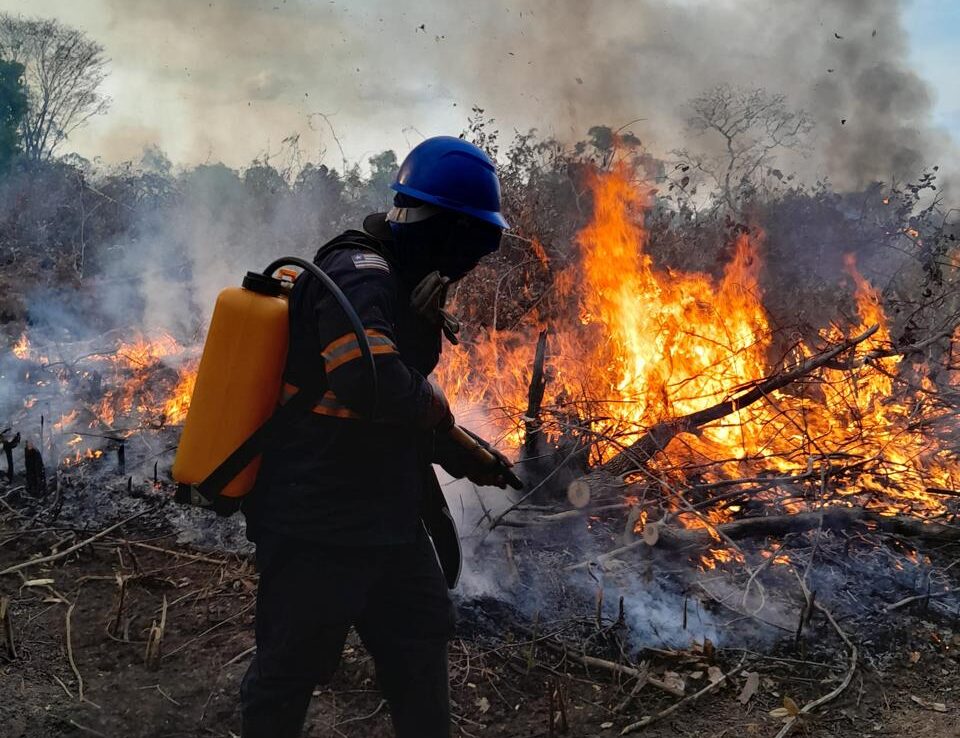
Wildfires – Brazil: On Nov. 16, satellite monitoring detected approximately 5,573 fire hotspots in Brazil’s Legal Amazon region, according to data from Brazil’s National Institute for Space Research (INPE). In the preceding seven days, the region averaged 649 fire detections daily, 14% above the historical average for this time of year. Between January and August 2026, about 4 million acres burned in the Amazon, approximately 460,000 more than in 2025.
While the current fires were human-caused (due to a number of factors), they are being exacerbated by drought caused by El Niño. The fires are especially difficult to put out because large tree canopies block water dropped by aircraft. While no deaths have been recorded, the weather outlook for the coming weeks remains unfavorable, and fires will continue to pose a critical threat.
Previous/Ongoing Disasters
Measles – United States: The United States has lost its measles elimination status for the first time since 2000, following more than 12 months of sustained transmission, according to the Pan American Health Organization. The country has recorded 5,412 confirmed cases in 2026 as of Nov. 12, more than double the 2,289 cases reported in 2025, with outbreaks concentrated in communities with low vaccination rates.
The resurgence has resulted in at least 10 deaths this year, including children, and poses heightened risks to infants too young to be vaccinated and people with weakened immune systems.
Complex Humanitarian Emergencies – Ukraine
Many places worldwide are experiencing conflict, climate change, drought, famine, economic challenges and other conditions which, when combined, create complex humanitarian emergencies (CHEs). CDP spotlights one CHE each week to spread awareness and develop a philanthropic response. Ukraine is this week’s CHE.
The humanitarian situation in Ukraine remains critical as the war enters its fifth year. Attacks on civilians and essential infrastructure, displacement, declining household purchasing power and the approaching winter continue to drive humanitarian needs. The UN estimates that 10.8 million people require humanitarian assistance in 2026, with only 4.1 million identified for assistance.
Key facts:
- 328 civilians were killed and 2,105 injured in September 2026, an 85% increase in total casualties compared with September 2025.
- Children, older people, people with disabilities and households headed by women face heightened risks due to displacement, loss of livelihoods and dependence on social assistance.
- Continued attacks on energy infrastructure threaten electricity, heating, water supplies and essential health services, potentially leaving millions without basic services during freezing temperatures.
- Approximately 2.5 million people are expected to require humanitarian food assistance between January and March 2027.
The convergence of escalating civilian harm, winter-related infrastructure risks and deteriorating food security makes the coming months in Ukraine particularly challenging. Sustained funding, safe humanitarian access and integrated protection, winterization and food-security programming are essential to prevent further deterioration.
Join us December 15
Disaster philanthropy in a changing landscape: New insights on giving, preparedness and collaboration
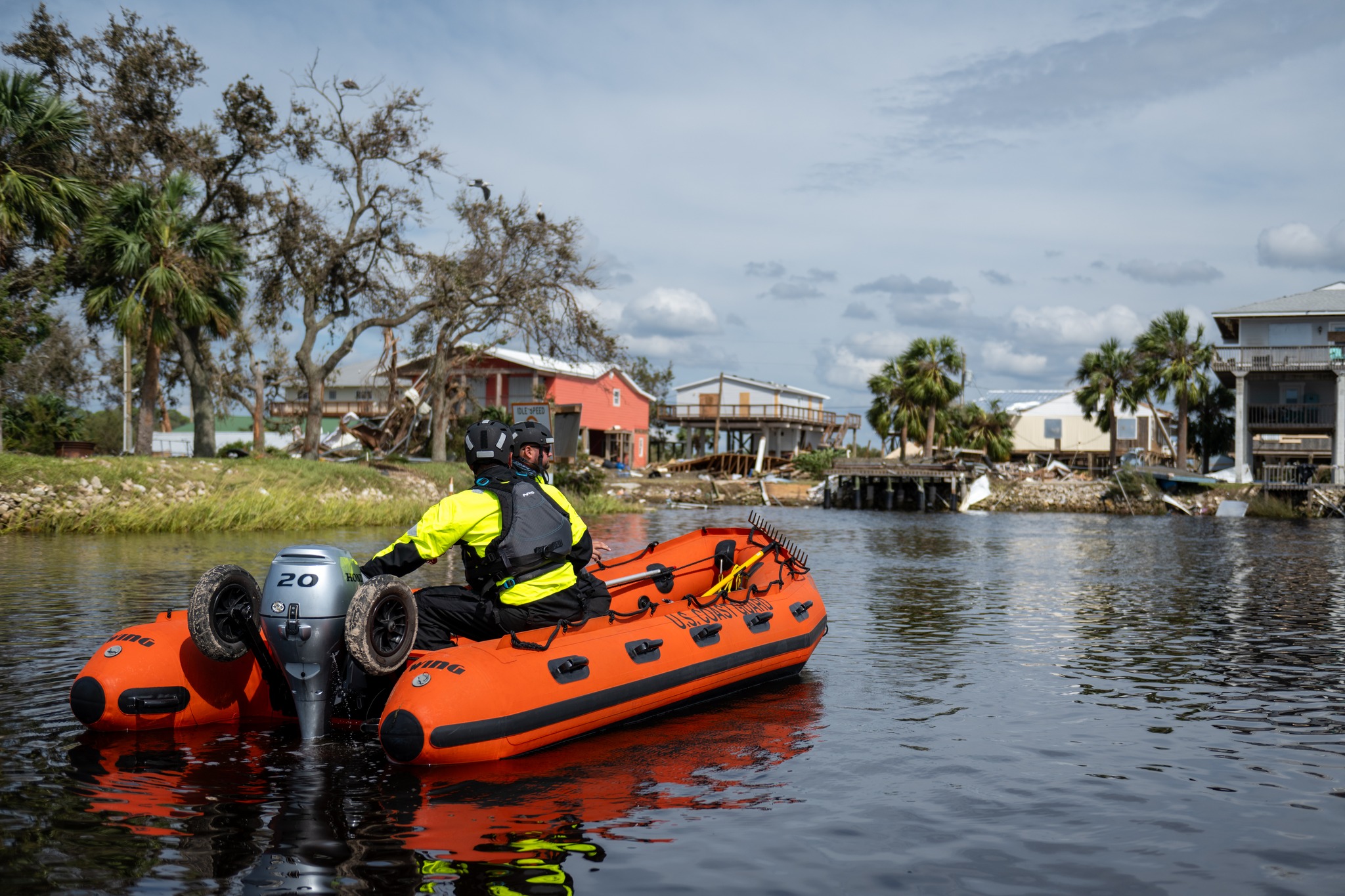 The Coast Guard conduct secondary coastline and canal searches in the wake of Hurricane Helene, Keaton Beach, Florida, Sept. 28, 2024. Photo credit: U.S. Coast Guard photo by Petty Officer 3rd Class Jaiden Hartley
What We’re Reading
- Can the Amazon Rainforest survive the largest El Niño in living memory? – Scientific American
- El Niño threatens health too: Early warnings done right can save lives – The Conversation
- Controversial efforts to suck carbon from atmosphere championed at UN talks – The Guardian
A moment of hope… There has been minimal wildfire activity within Brazil’s Tapajós-Arapiuns Extractive Reserve (RESEX), where the Guardian Brigade received resources through a grant made by CDP to Amazon Watch, giving the brigade months to prepare for fire season. When fires have broken out, the brigade has had the resources to respond quickly to contain them.
A speedboat purchased with CDP’s grant has been essential for quickly reaching remote areas. In short, where trained and equipped local first responders are present, fires are being contained effectively. Where these conditions are absent, fires have spread rapidly.

Gina DeLuca
Content Development Associate