
What we’re watching: Weekly disaster update, November 2, 2026
Some disasters make headlines; others do not. Here at the Center for Disaster Philanthropy (CDP), we monitor the status of disasters worldwide and compile a list of the ones we’re tracking weekly.
Here’s what we’re watching for the week of Nov. 2, 2026.
New or Emerging Disasters
Flooding – Syria: Heavy rain caused flash floods across several Syrian governorates, killing at least seven people with five others missing. Civil Defense teams carried out more than 300 emergency operations on Oct. 28 and Oct. 29 in response to over 550 calls for help, working to reopen roads, clear debris and pump floodwater from homes and public buildings.
Cyclone Arnab – India: Cyclone Arnab made landfall on the Andhra Pradesh coast on Oct. 28 after tens of thousands of people were evacuated. At least six people died in the storm, and 714 villages were affected. Heavy rain and wind prompted alerts as far away as Nepal. Dozens of houses were destroyed. India is now preparing for Cyclone Murasu, its second cyclone to make landfall this week.
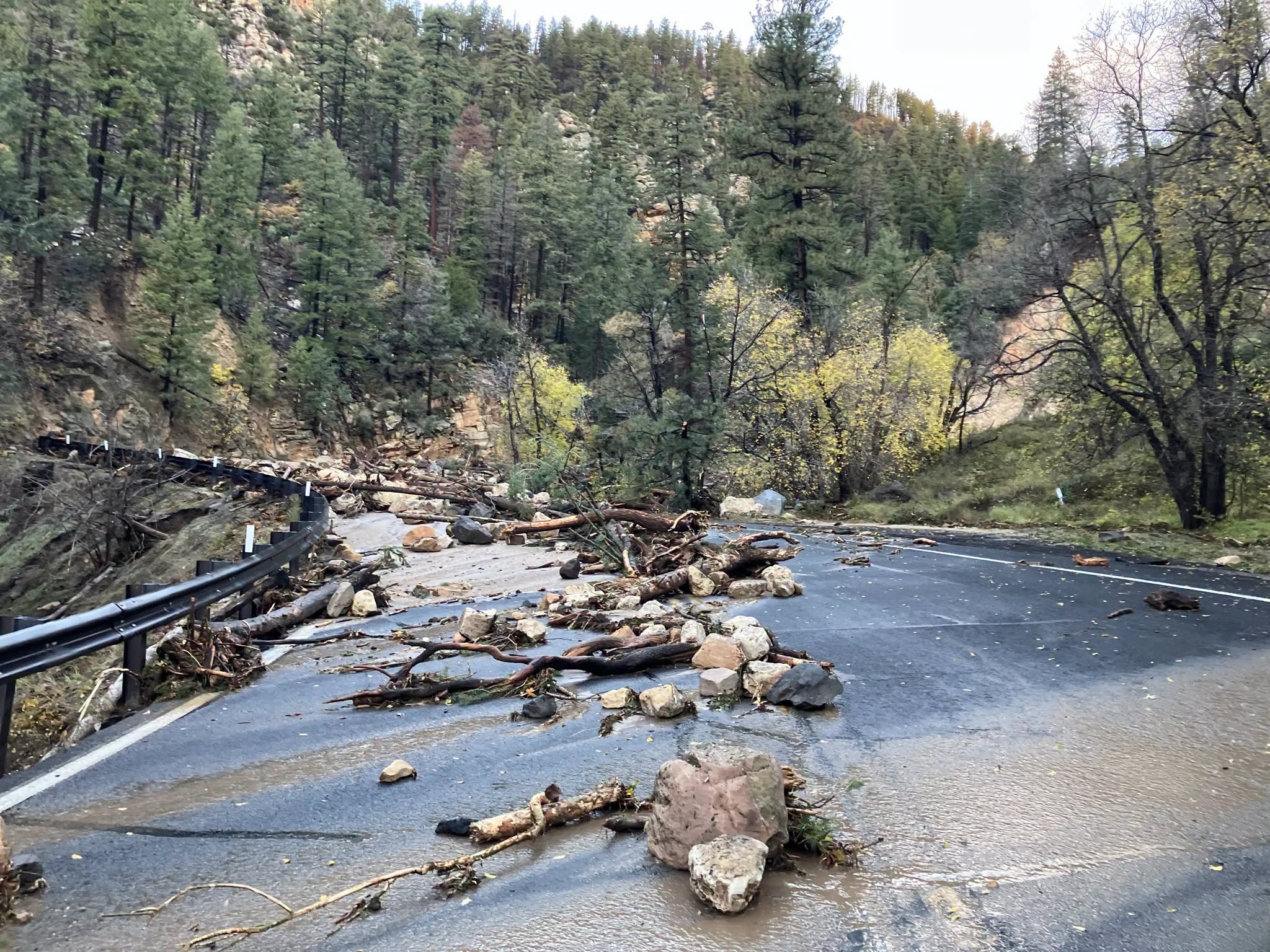
Flooding – Southwest: Heavy rainfall on Nov. 1 triggered historic flooding, road closures and mandatory evacuations in Arizona, Colorado and New Mexico, after recent flooding already saturated the ground, increasing risks.
In Pagosa Springs, Colorado, the San Juan River was forecast to crest at 21.9 feet. In Sedona, Arizona, the rising of Oak Creek trapped residents in their homes, requiring emergency rooftop rescues by helicopter. Other communities, including Flagstaff and Tucson, experienced flooded roads, overwhelmed storm drains and sewage backups. Forecasters warned that additional rainfall through Monday could worsen conditions.
Previous/Ongoing Disasters
Hunger – Haiti: As of October 2026, 5.94 million people (53% of the population) face acute food insecurity, including 1.8 million experiencing Emergency-level hunger according to the IPC. Escalating gang violence, widespread displacement, high food and fuel prices, economic instability and El Niño-related droughts and flooding are disrupting agricultural production, blocking food supplies and leaving vulnerable families unable to afford basic necessities.
The situation is projected to deteriorate further, with 6.35 million people expected to face acute hunger by June 2027, including nearly 2 million at Emergency levels. The World Food Program says it needs $78 million to sustain its humanitarian operations through March 2027.
Complex Humanitarian Emergencies – South Sudan
Many places worldwide are experiencing conflict, climate change, drought, famine, economic challenges and other conditions which, when combined, create complex humanitarian emergencies (CHEs). CDP spotlights one CHE each week to spread awareness and develop a philanthropic response.
In March, the Sudanese army ordered civilians, peacekeepers and aid agencies out of Akobo, which hosted about 270,000 people, ahead of military operations. Ugandan troops are reportedly inside South Sudan, and the war in neighboring Sudan threatens regional security. Conflict, protection issues, along with acute food insecurity, mass displacement and disease outbreaks, make South Sudan one of the most severe humanitarian emergencies in the world.
Key facts:
- More than 10 million people (two-thirds of the population) need humanitarian assistance in 2026.
- South Sudan is facing its largest cholera outbreak on record.
- Approximately 2.2 million children aged six months to five years old need treatment for acute malnutrition, including 697,000 children with severe acute malnutrition.
- At least 1.2 million pregnant and breastfeeding women are also acutely malnourished.
- Food insecurity is high due to economic freefall, high food prices and flooding that destroyed crops and roads as the lean season began.
- OCHA reports that humanitarian access in September was significantly constrained by insecurity and armed clashes.
- The war in Sudan, now in its third year, continues to strain South Sudan’s systems. Roughly 3.7 million refugees and asylum seekers who arrived since April 2023, plus 942,000 returnees, have fled Sudan to neighboring countries, including South Sudan.
- Children continue to be recruited by armed groups.
- Women and girls face conflict-related sexual violence, and access to treatment and protection is gravely inadequate.
- Nearly four million people are affected by drought conditions.
South Sudan’s 2026 Humanitarian Needs and Response Plan seeks $1.04 billion to provide life-saving assistance to four million of the most vulnerable people. The plan prioritizes emergency food assistance and nutrition, health care, WASH, disease outbreak response, shelter, and protection services for displaced populations, women and children. The plan also emphasizes strengthening local humanitarian organizations, expanding cash assistance, improving humanitarian access to conflict-affected communities and supporting longer-term solutions for displaced people.
What We’re Reading
- ‘Hunger as a Weapon of War’ Threatens Millions, Third Committee Hears as Experts Warn of Crackdown on Youth Protests, Exclusion from Humanitarian Aid – UN News
- Nonprofits Face an AI Search Visibility Gap – Stanford Social Innovation Review
- After last year’s storm, this remote Alaska town is still picking up the pieces – NPR
A moment of hope…Care for Humanity Organization (CHO), a local NGO in South Sudan, has launched a six-month, US $5,688 EU-funded peacebuilding project in Yambio and Nzara counties in Western Equatoria State, with support from the EU, IPCS and Mercy Corps. The initiative aims to strengthen local civil society capacity, improve service delivery, and promote peaceful coexistence through community engagement and advocacy.
State officials urged the organization to prioritize vulnerable rural populations and called on communities to reject tribalism, hatred and misinformation.

Gina DeLuca
Content Development Associate