
What we’re watching: Weekly disaster update, November 9, 2026
Some disasters make headlines; others do not. Here at the Center for Disaster Philanthropy (CDP), we monitor the status of disasters worldwide and compile a list of the ones we’re tracking weekly.
Here’s what we’re watching for the week of Nov. 9, 2026.
New or Emerging Disasters
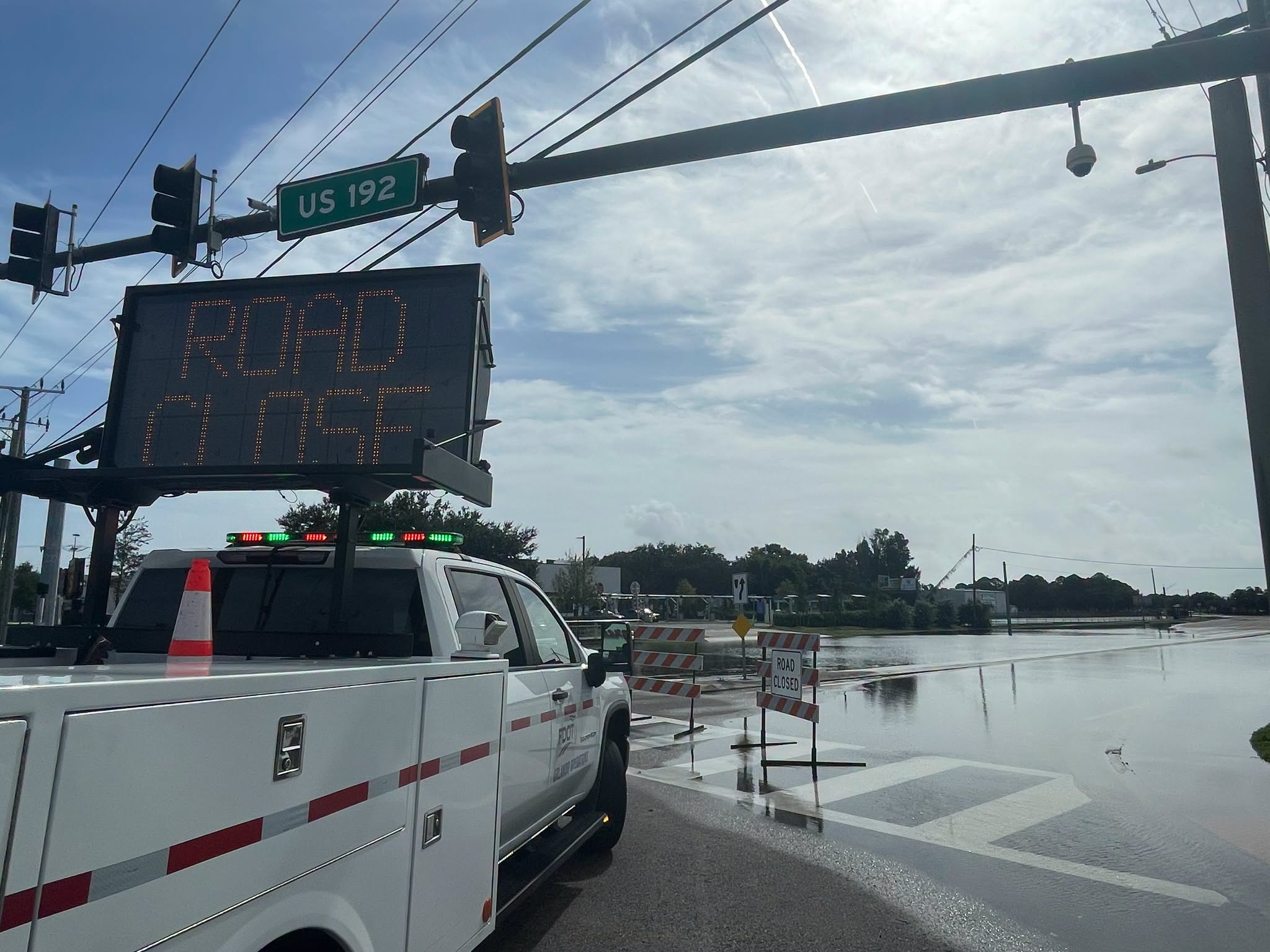
Flooding – Florida: Last week, severe flooding across Florida resulted in the deaths of two people and prompted the rescue of hundreds more after torrential rainfall dumped up to 2 feet of rain in parts of Brevard County. Homes, roads and businesses sustained extensive damage, with some houses experiencing nearly 3 feet of standing water.
Flooding – Gaza: Recent heavy rains in Gaza have damaged and flooded approximately 70,000 tents sheltering displaced Palestinians, overwhelming rescue services and leaving thousands of families struggling to cope. Now, at least 350,000 people are without shelter as winter approaches.
First responders were only able to respond to 10% of the 2,100 distress calls they received. At least three children and one woman died after an embankment collapsed.
Previous/Ongoing Disasters
Typhoon Halong – Alaska: The remote Alaska village of Kipnuk is still struggling to recover a year after the remnants of Typhoon Halong damaged 90% of its homes and displaced much of its population. Residents are slowly rebuilding, but limited federal funding, damaged infrastructure and emotional trauma are making recovery difficult, while climate change raises concerns about future storms.
Many residents want to return home to preserve their cultural traditions, language and community, even as they recognize that rebuilding in a safer location may be necessary.
Complex Humanitarian Emergencies – Syria
Many places worldwide are experiencing conflict, climate change, drought, famine, economic challenges and other conditions which, when combined, create complex humanitarian emergencies (CHEs). CDP spotlights one CHE each week to spread awareness and develop a philanthropic response. Syria is this week’s CHE.
Syria continues to face a severe humanitarian emergency following more than 14 years of conflict, economic collapse, displacement and climate-related disasters. Although the December 2024 change in government created opportunities for recovery, 15.6 million people still need humanitarian assistance in 2026, with food insecurity, damaged infrastructure and inadequate basic services affecting millions.
Key facts:
- An estimated 13.3 million people are hungry, and 7.2 million of those people are at risk of starvation.
- Years of conflict, economic deterioration, high food and fuel prices, drought and disrupted agricultural production have undermined household purchasing power.
- Funding shortages have forced the World Food Program (WFP) to cut emergency food assistance by 50%, from 1.3 million to 650,000 people, and suspend its nationwide bread subsidy.
- Many families are skipping meals, reducing portions or relying on less nutritious food. CAPS Syria analysis; WFP, May 2026.
- Displacement and insecurity continue to threaten civilians, particularly children and families returning to damaged communities.
- Explosive remnants of war pose a major danger: approximately 5 million children live in areas contaminated by landmines and unexploded ordnance, with an estimated 324,000 unexploded devices scattered across the country.
- Children also face heightened risks of exploitation, child marriage, gender-based violence and recruitment by armed groups.
- Syria’s health system remains severely weakened by damaged facilities, shortages of medicines and medical personnel and inadequate funding.
- The World Health Organization (WHO) warns that cholera, measles and other diseases remain a concern, exacerbated by unsafe drinking water, poor sanitation and overcrowded displacement sites.
- About 12.8 million people need health assistance.
- Reduced rainfall has depleted water resources, while damaged infrastructure and electricity shortages have restricted access to safe drinking water for millions.
- Most recently, flash floods in late October killed seven people, including five children, displaced families and damaged homes, roads, hospitals, schools and displacement camps across several governorates.
- An estimated 2.4 million people are expected to need winter assistance in 2026–2027.
Syria’s government transition has created new opportunities for recovery, but widespread poverty, inadequate humanitarian funding, persistent protection threats and recurring climate disasters continue to prevent millions of people’s basic needs from being met.
Join us December 15
Disaster philanthropy in a changing landscape: New insights on giving, preparedness and collaboration
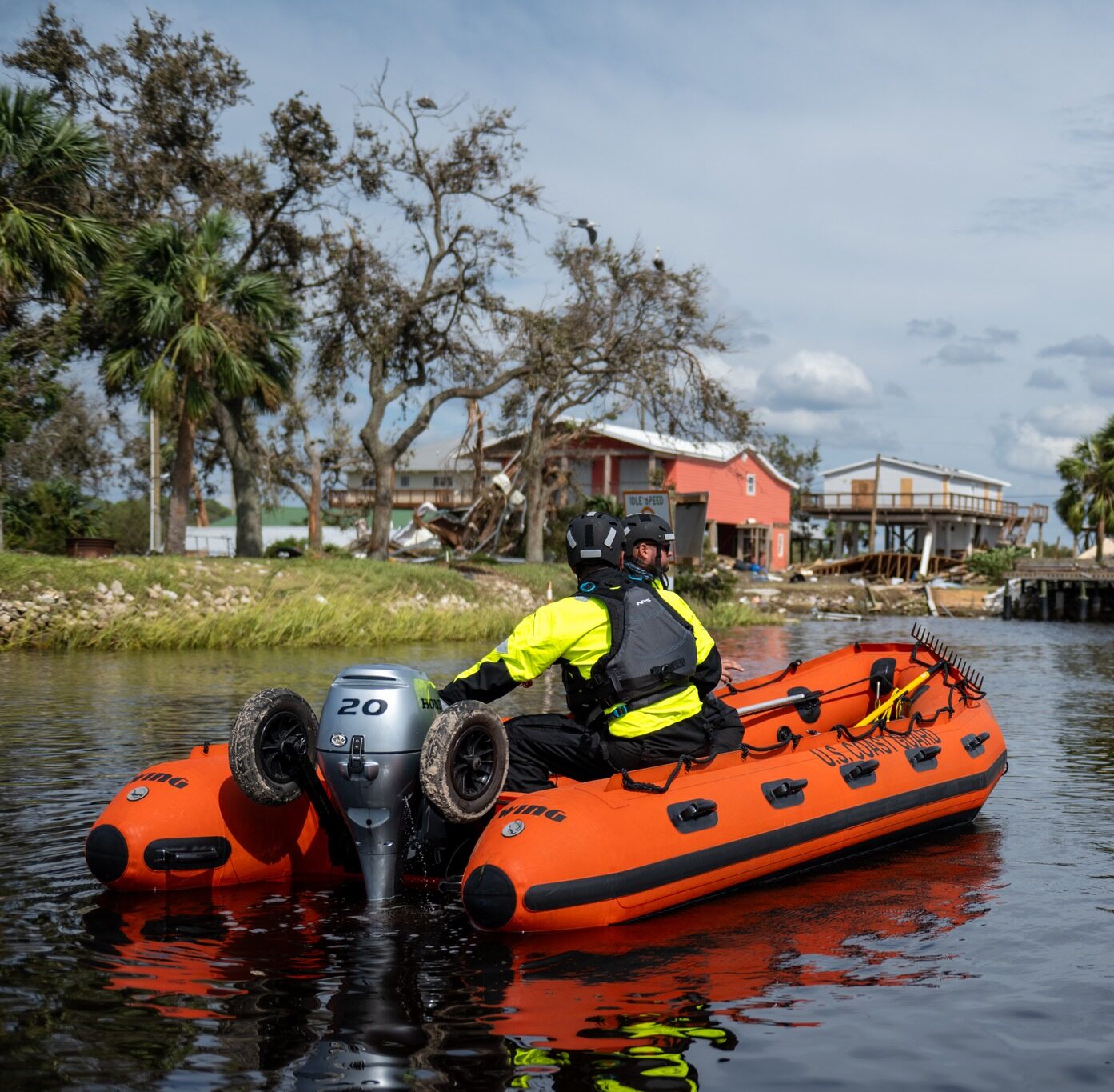 The Coast Guard and partners agencies conduct secondary coastline and canal searches in the wake of Hurricane Helene, Keaton Beach, Florida, Sept. 28, 2024. (Credit: U.S. Coast Guard photo by Petty Officer 3rd Class Jaiden Hartley.)
What We’re Reading
- Inside the Nightclub Sheltering Haitians from Violent Gangs – The New York Times
- In Hardwick, Vermont, art, dinner, and disaster response all share the same table – Brookings
- Resourcing Appalachian Resilience After Helene – Stanford Social Innovation Review
A moment of hope…With a grant from CDP, Sewar Organization supported 400 people who are visually impaired, most of whom are women, through a combination of psychosocial, educational, creative and livelihood activities in Aleppo and surrounding communities. Along with learning Braille, making handicrafts and developing job skills, the grant helped participants form the Sewar Al-Nour choir to receive choir skills training and practice group singing.
Participants learned to sing traditional songs and later performed in a concert at the closing exhibition. One participant said, “Singing together gave us confidence and a sense of belonging. Performing as part of the Sewar Al-Nour choir made me feel proud to share my voice and talent with others.”

Gina DeLuca
Content Development Associate