
What we’re watching: Weekly disaster update, October 26, 2026
Some disasters make headlines; others do not. Here at the Center for Disaster Philanthropy (CDP), we monitor the status of disasters worldwide and compile a list of the ones we’re tracking weekly.
Here’s what we’re watching for the week of Oct. 26, 2026.
New or Emerging Disasters
Typhoon Champi – Taiwan, Japan: Champi is considered the strongest storm of 2026, with sustained winds of 185 mph as it moved across Taiwan and battered Japan’s southern islands between Oct. 22 and 24. At least one person was killed and 527 people were injured. The storm knocked out power to approximately 288,000 houses. Champi quickly weakened as it moved west of Japan’s mainland on Oct. 26.
Earthquake – Tibet: On Oct. 22, a magnitude 7 earthquake struck the Chinese region of Tibet, killing at least 16 people and injuring approximately 54 more. At least 339 homes collapsed. This was the strongest earthquake in Tibet in five years.
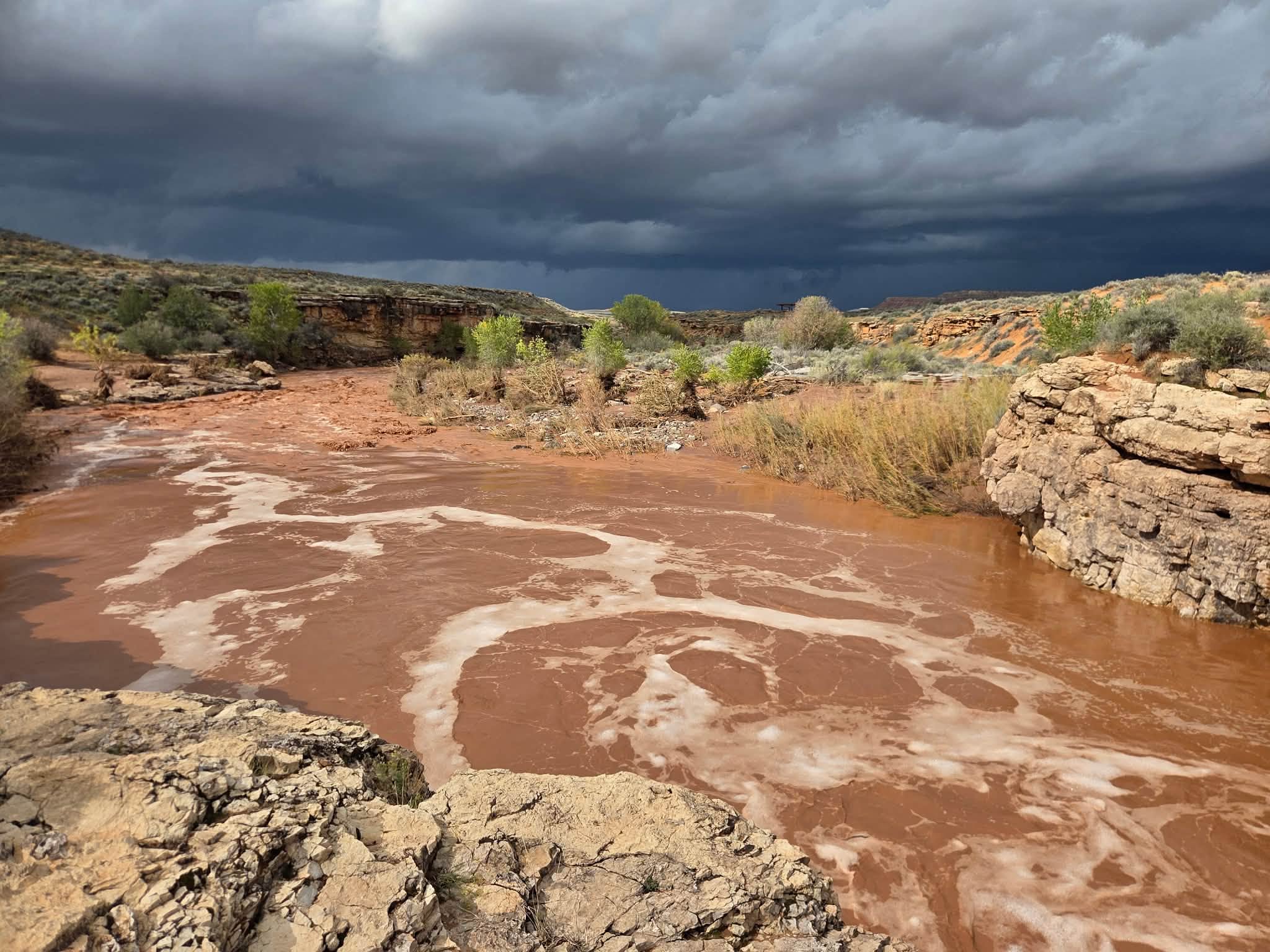
Severe storms – Multiple states: The Four Corners region of the Southwest United States experienced record breaking tornadoes, flooding and rainfall over the course of several days this week. In Arizona, the strongest tornado in 15 years struck the town of Oversgaard, ripping roofs off buildings and toppling trees. In Washington County, Utah, heavy rain caused severe flooding that necessitated the rescues of many people from rooftops. The floods submerged vehicles and inundated approximately 80 homes. Evacuations were ordered due to flooding in low-lying areas of Colorado. On Friday, New Mexico experienced rare tornado watches.
Previous/Ongoing Disasters
Flooding – Nigeria: Flooding has killed 245 people and displaced nearly 215,000 more across 28 Nigerian states, affecting a total of 673,350 people in 134 local government areas as of October 20, 2026. Children account for 38% of those affected, while women make up 31%, and officials warn that displacement, contaminated water and inadequate sanitation could worsen public health risks, including cholera outbreaks. The National Emergency Management Agency is calling for stronger coordination, early-warning systems and emergency preparedness as forecasts indicate further flooding risks across the country. Nigeria is projected to be the country most affected by the 2026-2027 Super El Niño.
Complex Humanitarian Emergencies – Burkina Faso
Many places worldwide are experiencing conflict, climate change, drought, famine, economic challenges and other conditions which, when combined, create complex humanitarian emergencies (CHEs). CDP spotlights one CHE each week to spread awareness and develop a philanthropic response.
Burkina Faso faces a severe humanitarian crisis driven by insecurity from the growing presence of both Al Qaida and IS-affiliated jihadist groups over the last decade. The International Rescue Committee reports that nonstate armed groups control roughly half of the country. Armed groups blockade towns, cutting residents off from food, water, health care and other basic goods. Conflict, displacement, hunger and climate shocks affect millions. Essential services are disrupted, and insecurity limits humanitarian access.
Key facts:
- 3.4 million people need Gender Based Violence (GBV) services in 2026, as nearly half of specialized GBV services have closed.
- Historical data show that 52% of women aged 20–24 married before age 18.
- Female genital mutilation/cutting prevalence was reported at 76% among women and girls aged 15–49.
- 1.6 million people face acute food insecurity.
- Approximately 15% of children needing education assistance in 2025 had disabilities, representing about 285,000 children of 1.9 million children in need.
- Assistive devices, rehabilitation and accessible information should be prioritized.
- Current sources do not establish a reliable national total of people with disabilities affected by the crisis.
- Drought, flooding, heat and irregular rainfall threaten livelihoods.
- Around 80% of the population depends on agriculture for employment.
- Women and girls often face violence when travelling to collect water or firewood.
- Climate hazards worsen existing vulnerabilities caused by conflict and poverty.
- An estimated 17% of the population lacks access to essential healthcare.
Funding is urgently needed to strengthen protection and GBV services, expand food assistance and ensure disability-inclusive humanitarian support. Access to safe water, healthcare and climate-resilient livelihoods is also critical.
What We’re Reading
- Remembering El Fasher, the city I knew and the atrocities that changed it – The New Humanitarian
- World losing ground in fight to curb climate change, latest UN projections show – AP News
- I.U.C.N. Red List Classifies Most Shallow Coral Reefs as Critically Endangered – The New York Times
A moment of hope…In The Gambia, about a quarter of women aged 20-24 were married before age 18. UNFPA-supported mothers’ groups in the Gambia help identify girls at risk of child marriage, talk with their families and encourage them to keep their daughters in school. There are an estimated 3,500 of these clubs across the country.
When the Jarra Soma club learned a father was arranging a marriage for his 13-year-old daughter, they approached community leaders and the family, explaining how early marriage would affect her education, health and future. The girl was spared and remained in school. The clubs are one piece of a broader UNFPA effort that also involves imams, youth programs, grandmothers’ clubs and griots, aimed at shifting community norms.

Gina DeLuca
Content Development Associate