
What we’re watching: Weekly disaster update, September 14, 2026
Some disasters make headlines; others do not. Here at the Center for Disaster Philanthropy (CDP), we monitor the status of disasters worldwide and compile a list of the ones we’re tracking weekly.
Here’s what we’re watching for the week of Sept. 14, 2026.
New or Emerging Disasters
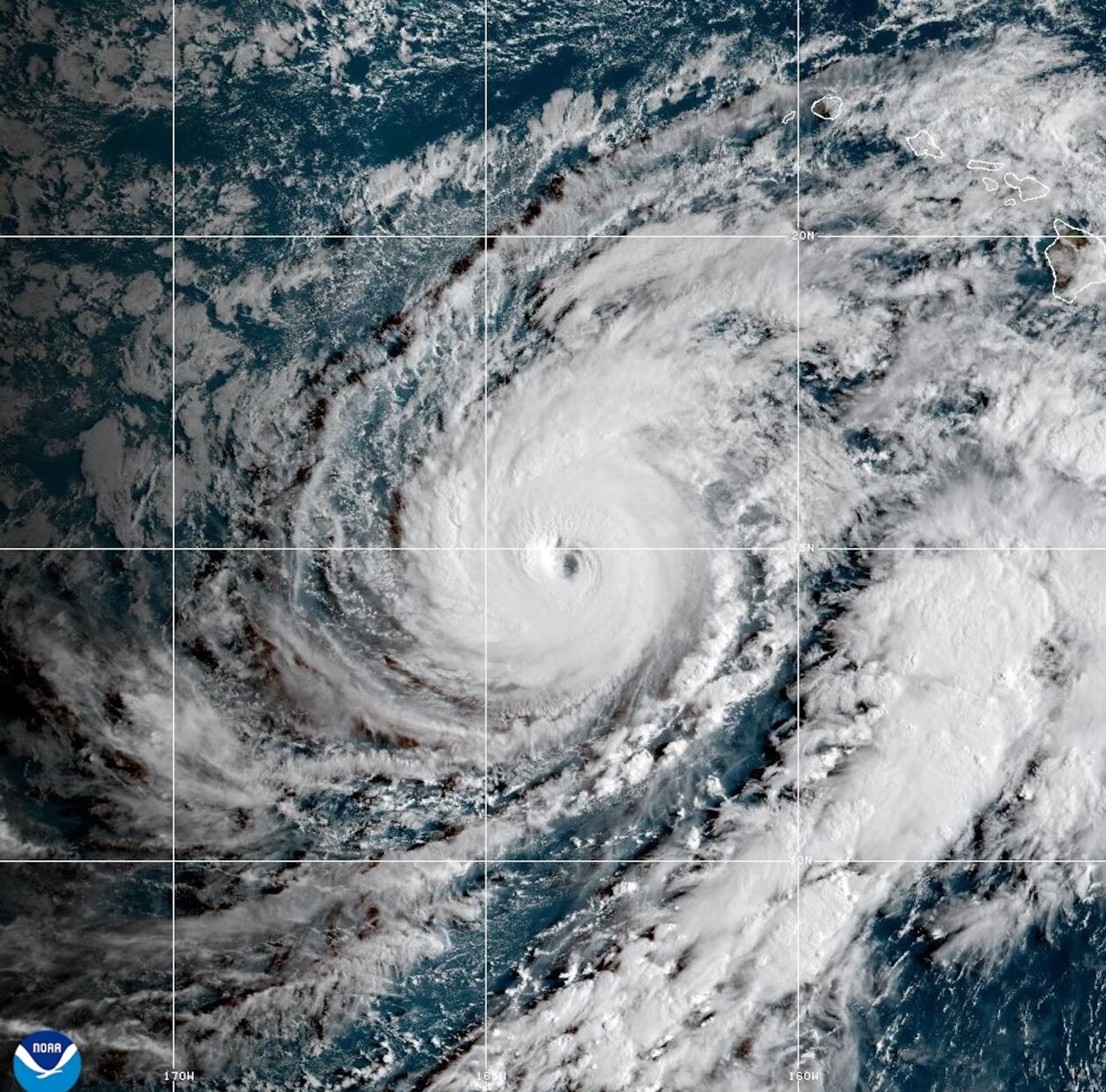
Hurricane Lowell – Hawaii: On Sept. 7, Hurricane Lowell passed 90 miles northwest of Kauaʻi, sparing the island a direct hit but knocking out power to roughly 9 in 10 residents. At its peak, the hurricane was a Category 5 storm. At least two people died when the storm dropped 20 inches of rain, washing out coastal highways and strong winds tore apart roofs and piers. Oʻahu and Maui also experienced severe flooding.
Drought – Hungary: Hungary is facing an unprecedented water crisis caused by extreme drought affecting 99% of the country. Lake Velence, the third largest lake in Hungary, has seen the water level drop from five feet to approximately eight inches, and low water levels in the Danube have threatened to shut down Hungary’s only nuclear power plant. At least 280 metric tons of fish from 20 fish farms have died.
Hungary faces a shortage in water supply, greatly diminished water levels in major waterways, crop losses and reduced food production. Wells and groundwater levels are also drying. Erratic rainfall caused by climate change, high evaporation rates and decades of poor water retention practices have all contributed.
Previous/Ongoing Disasters
Flood – Nepal: On Wednesday, Aug. 26, a massive block of ice broke off a glacier in the Himalayan Mountains and fell 3,900 feet to the valley floor on the Nepal-Tibet border. This caused an extremely powerful deluge of mud, rocks and water in the Lhende Khola River, submerging entire communities and public projects, killing more than 1,300 people, with about 5,100 people still missing. Communities on both sides of the border were affected.
Nepal is facing $4.8 billion USD in reconstruction costs. Crowded conditions and unsafe water at displacement shelters are causing disease in children and older people, and officials are concerned about a future cholera outbreak. This is especially concerning when many people are still unable to reach hospitals because roads are damaged or destroyed.
Complex Humanitarian Emergencies – Horn of Africa (South Sudan)
Many places worldwide are experiencing conflict, climate change, drought, famine, economic challenges and other conditions which, when combined, create complex humanitarian emergencies (CHEs). CDP spotlights one CHE each week to spread awareness and develop a philanthropic response.
South Sudan remains one of the world’s most severe and neglected humanitarian crises, driven by conflict, economic collapse, climate shocks and spillover from Sudan’s war.
Key facts:
- Approximately 7.8 million people (56% of the population) face one of the highest levels of acute food insecurity in the world today.
- The World Food Program (WFP) is warning of a credible risk of famine in four counties across Upper Nile and Jonglei states, with 11 counties projected to face “Extremely Critical” acute malnutrition.
- In February, a UN Commission of Inquiry found armed forces under ruling party command are responsible for most attacks against civilians, including patterns of targeting linked to ethnicity and perceived political affiliation, particularly against Nuer civilians in Jonglei.
- Renewed violence, political tensions, shrinking civic space, entrenched corruption and persistent impunity continue to place civilians and the country’s political transition at risk.
- In Jonglei’s Akobo County, all 15 health facilities have been destroyed in the conflict.
- South Sudan is among the five nations most vulnerable to the impacts of climate change, with a severely limited capacity to respond.
- At least two million people are internally displaced, with more than 2.3 million South Sudanese refugees abroad.
In 2026, at least 10 million people require humanitarian assistance, though the response plan has been scaled back to prioritize just 4.3 million people amid a $1 billion USD appeal that was only 43% funded in 2025.
What We’re Reading
- UN agencies warn humanitarian system in Sudan ‘could collapse’ – UN News
- U.S. forecaster says more than 90% risk of a very strong El Niño – Reuters
- Housing stability is good climate policy – Next City
A moment of hope…A school administrator sprinted through Tribhuvan Trishuli Secondary School in Nepal shouting a warning after a friend called to alert him of the impending flood on the Nepal-China border. With just 14 minutes’ notice, headmaster Rajendra Dawadi organized a frantic evacuation, turning back incoming buses and loading students into cars, buses and motorbikes to cross a bridge to higher ground. All 900+ students and 16 faculty made it across moments before the floodwaters destroyed the school.