
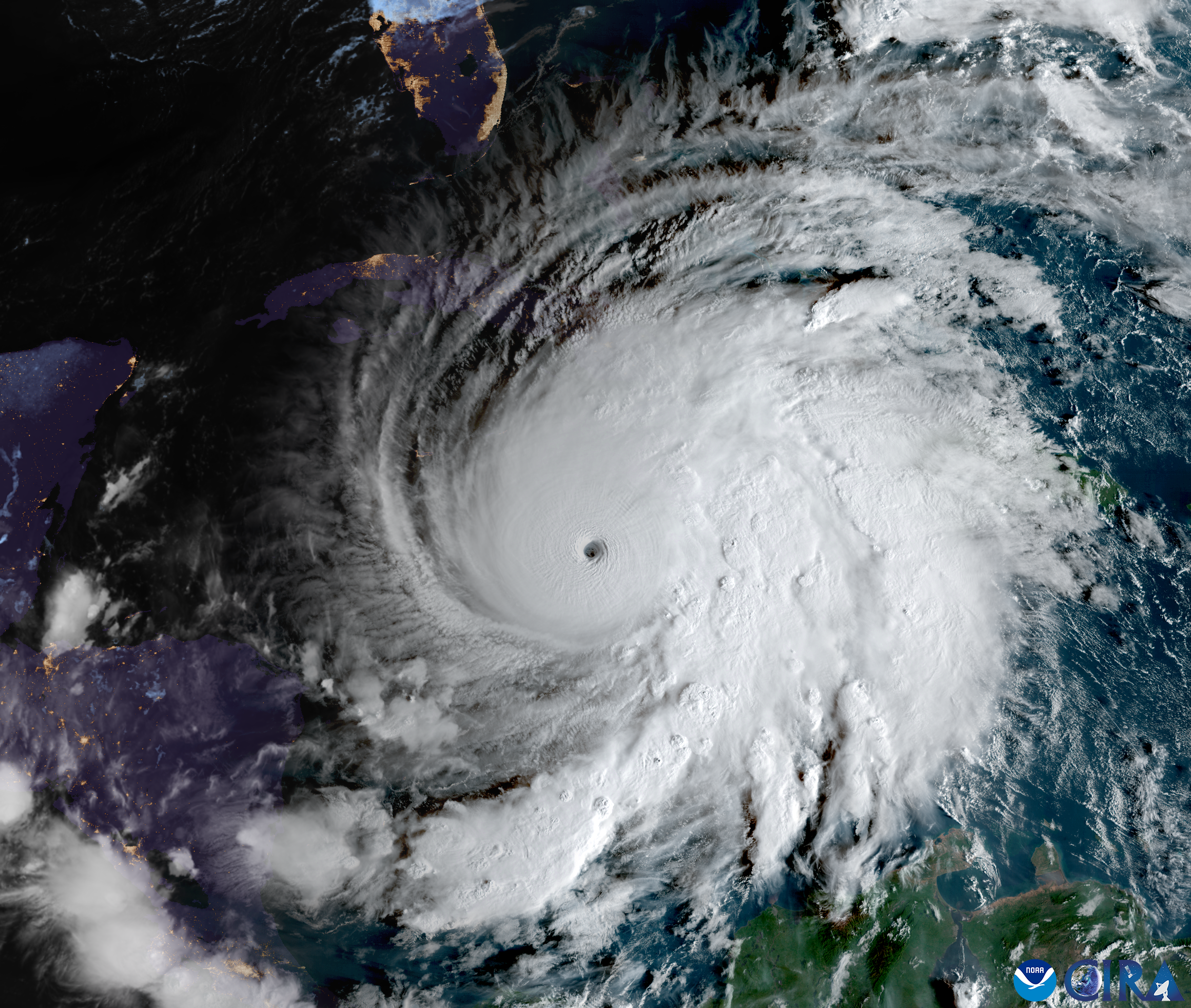
Hurricane Melissa was one of the most powerful Atlantic hurricanes on record and the strongest to ever hit Jamaica. It made landfall on Oct. 28, 2025, near New Hope, Westmoreland, Jamaica, with sustained 185 mile per hour winds and a central pressure of 892mb.
Before landfall, strong outer bands brought high winds and severe rainfall to Haiti and the Dominican Republic. After crossing Jamaica, Melissa struck Cuba as a Category 3 storm and later weakened over the Bahamas and Bermuda.
Key facts
(Photo: Hurricane Melissa in the Caribbean, Oct. 29, 2025. Credit: NOAA/CIRA)
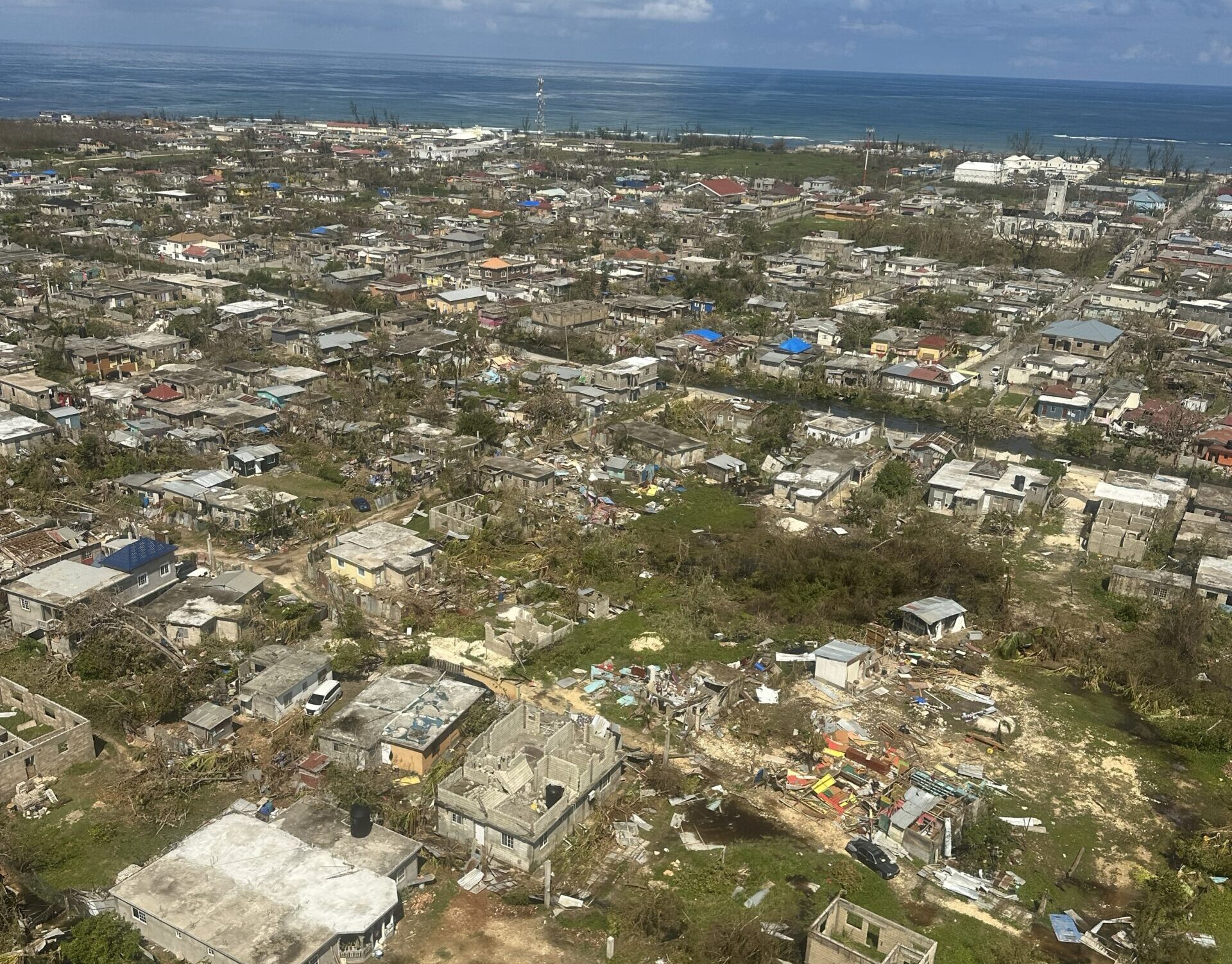
Hurricane Melissa made landfall in St. Elizabeth Parish, a tourist area on the western coast.
St. Elizabeth Parish, known as Jamaica’s breadbasket, has been devastated, with farmland destroyed, buildings submerged and roofs missing. The BBC gathered satellite imagery from before and after the hurricane, highlighting the extent of the damage in Black River (the worst-hit town), Montego Bay, White House and elsewhere.
Jamaican Prime Minister Andrew Holness said the physical damage from the storm is about 1/3 of last year’s gross domestic product (GDP). Jamaica that the roofs of 120,000 structures had been ripped off, and 90,000 families in the western part of the island were affected.
WFP said, “…every (crop) that was on the path has been damaged…some of the fruit trees may be recovered, some of the temporary crops will not be recovered at all.”
Small scale farmers experience any loss as a significant loss. Of the 200,000 farmers in Jamaica, approximately 80% are small-scale, working on 5 acres or less. St. Elizabeth was also devastated by Hurricane Beryl in 2024, resulting in a significant reduction in food access, compounding the effects of Hurricane Melissa.
In addition to agricultural recovery, Jamaica is also working to rebuild in time for the upcoming tourist season, which is just one month away.
Due to the flooding and damage from Hurricane Melissa, at least 12 people in Jamaica have died from an outbreak of leptospirosis, a bacterial infection caused by rat urine in contaminated water after storms.
FEWS NET reported that livestock drowned in the floods and there was extensive damage to banana plantations, fruit trees and other crops, including yams, sugar cane and pigeon peas.
“Bèt se kanè bank peyzan,” is a Haitian saying which means “Farm animals are a small farmer’s savings account.”
Additionally, there are concerns of a cholera outbreak due to damage to water systems.
Haiti’s Civil Protection Directorate reported that hundreds of homes have been damaged or destroyed, while 12,000 experienced flooding. Approximately 10,000 people are residing in 120 shelters in Haiti. Many people in Haiti already lived in overcrowded shelters due to gang violence. For more information on Haiti’s humanitarian crisis, visit our Complex Humanitarian Emergencies disaster profile.
Melissa made landfall in Cuba on Oct. 29 near Playa Dos Rios as a Category 3 storm, before weakening to Category 2.
About 735,000 people were evacuated ahead of landfall, and no deaths have been reported. However, flooding, stagnant water and damage to water systems created the perfect environment for the spread of disease. At least 30% of Cuba’s population has suffered from a viral infection since the storm.
The United Nations has launched a $74 million appeal to support 2.2 million people in Cuba across the eastern provinces. UN Deputy Spokesperson Farhan Haq said, “Focusing on health, water and sanitation; shelter, education, and early recovery; the plan also pays special attention to the needs of women, children, and other vulnerable groups.” Only 19% of this goal has been funded.
While there are many immediate needs following hurricanes, funders should also consider designating funds for the anticipated intermediate and long-term needs of communities. Damage from a major storm can last for years, and even decades.
The Caribbean Disaster Emergency Management Agency (CEDMA) is providing coordination across all impacted countries. It provides regular updates on resources that have been deployed or are needed across the region, as well as identifying gaps.
While poverty in Jamaica has decreased in recent years, in part due to a compounded 85.7% increase in the national minimum wage, Jamaica’s poverty prevalence in 2023, the last year for which data are available, was 8.2% (11.5% in rural areas). Good-paying, local jobs will be crucial for the country’s economic recovery.
Food insecurity remains a concern. The 2025 Caribbean Food Security and Livelihoods Survey found that 54% of Jamaican households were food insecure, and 39% had reduced food stocks. Melissa’s impact on fishing and agriculture will likely increase food insecurity.
After a disaster, people often want to help by sending in-kind donations, aka “stuff,” to support relief and recovery efforts. However, it is crucial to only send items that are needed and specifically requested, when appropriate, to a specified recipient who has the means to store and distribute them. Unsolicited material donations can become a second disaster.
The Jamaican government created a detailed needs list with specified quantities and item types.
Companies wishing to ship relevant supplies to affected countries can work through a partner like Good360 to ensure they arrive at the appropriate time and place. Learn more about the challenges of product donations here.
Post-disaster needs on islands are different from those in mainland communities. For example, everything brought onto an island must be used, diverted, moved to a waste management facility or removed from the island. With an extreme amount of trash created by the hurricane’s destruction, the fewer unnecessary items brought to Jamaica, the easier it will be to manage waste.
For example, while water is needed, focusing on water purification systems and filters allows existing water supplies to be used rather than importing millions of small bottles of water, creating unnecessary waste.
Caribbean islands have a very tight supply and exchange network. Damages to industries in Jamaica will also affect other nearby islands. Cuba reported heavy losses to its coffee, cassava and banana plantations.
Islands also have a higher cost to rebuild than mainland communities, as everything must be shipped in. Funders should expect to pay more per unit for housing rebuilds and for projects to take longer than usual.
The Jamaican government has requested financial assistance in addition to supplies. Experts recommend monetary donations to organizations responding to disasters. This allows on-the-ground agencies to direct funding to the most significant areas of need, support economic recovery and quickly re-establish access to necessities.
Digital banking applications and wallets will likely become a lifeline for many. These have seen increased acceptance in Jamaica in recent years.
Almost one-quarter of Jamaica’s gross domestic product (GDP) comes from international remittances. While rates have decreased in recent years, approximately $3.3 billion to $3.5 billion USD in remittances are sent to the country.
CDP always recommends using financial assistance as an intervention and a recovery strategy. Direct cash assistance provided to families gives them flexibility and choice, ensuring that support is relevant and timely. Cash-based approaches to disaster recovery give people the freedom to choose how they rebuild their lives and provide a pathway to economic empowerment.
If you have questions about donating to the Hurricane Melissa and the CDP Atlantic Hurricane Season Recovery Fund, need help with your disaster-giving strategy, or want to share how you’re responding to this disaster, please contact development.
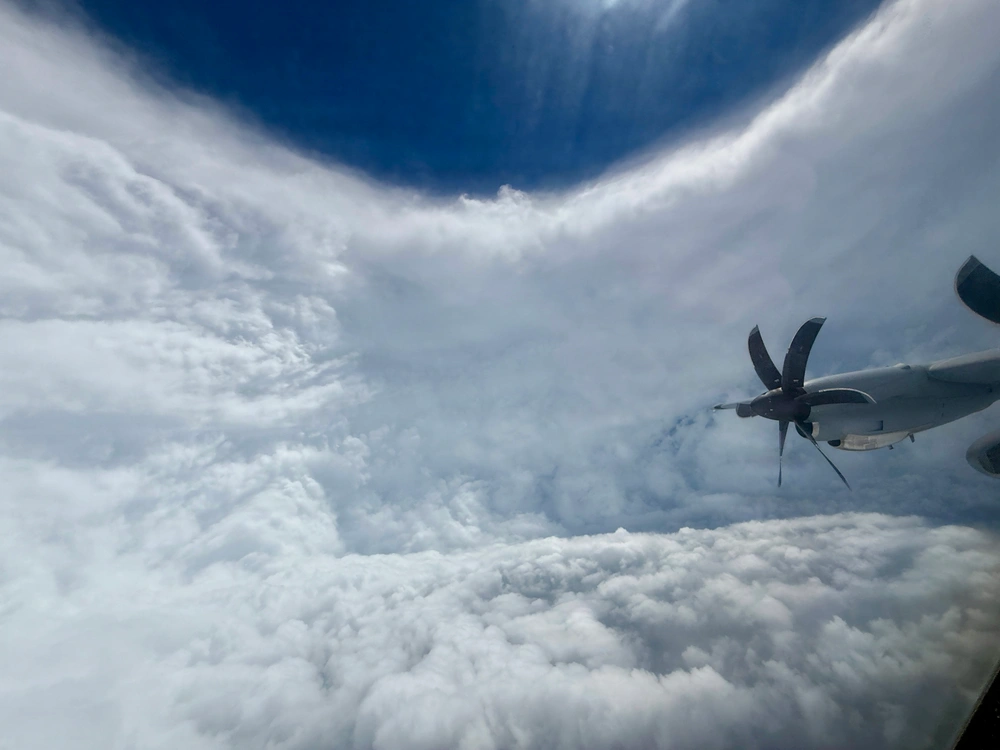
(Photo: A U.S. Air Force Reserve crew from the 53rd Weather Reconnaissance Squadron, flies through the eye of Hurricane Melissa on Oct. 27, 2025. Credit: U.S. Air Force photo by Lt. Col. Mark Withee)
We welcome the republication of our content. Please credit the Center for Disaster Philanthropy.
CDP’s CEO Patty McIlreavy recently shared three lessons from Hurricane Helene that are relevant for funders wanting to build a strong recovery after Melissa. She said,
Philanthropy should be flexible in its grantmaking and respond to acute and changing needs.
CDP funds allow donors to contribute to a pooled fund focused on recovery and allow CDP to respond to changing priorities and issues. You can donate to the CDP Atlantic Hurricane Season Recovery Fund to support recovery from Hurricane Melissa by selecting “2025 Hurricane Melissa” from the dropdown menu.
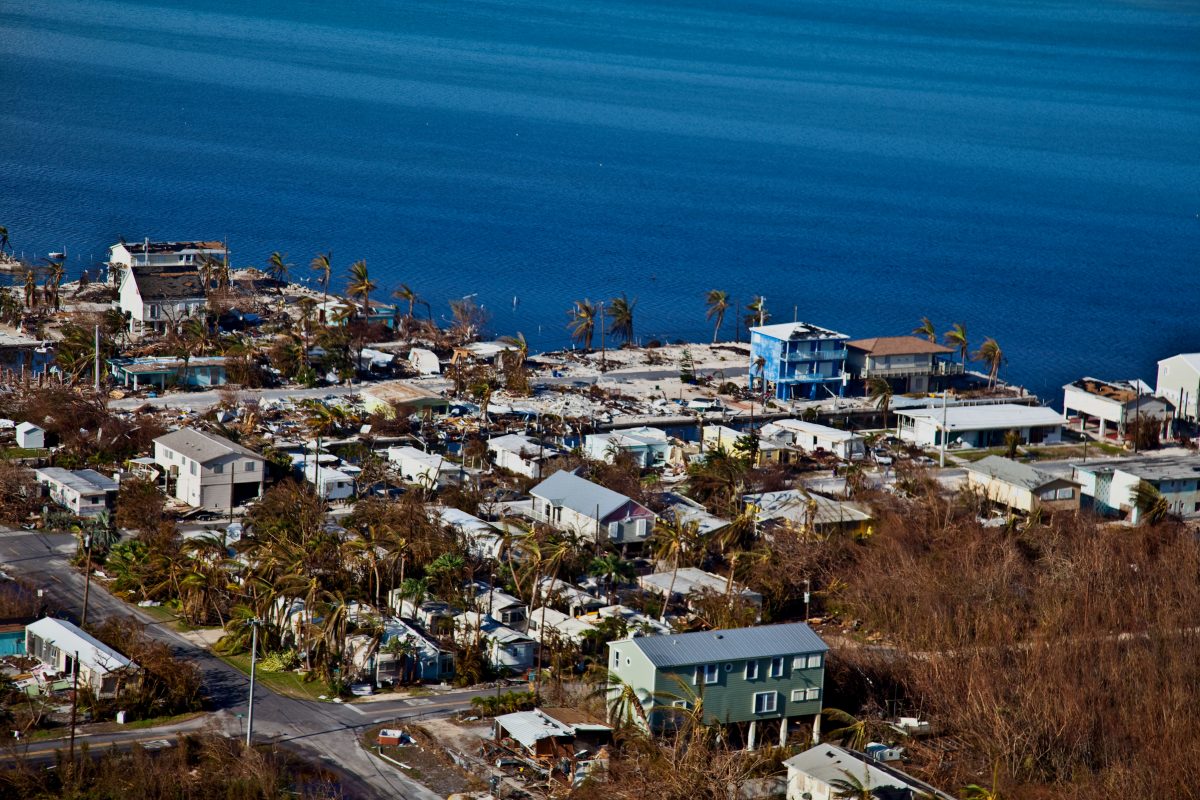
Tropical cyclones (also known as hurricanes and typhoons) pose significant global threats to life and property, bringing a variety of hazards, including storm surges, flooding, extreme winds and tornadoes. Funders can intervene to reduce harm to people and property, before, during and after storms.
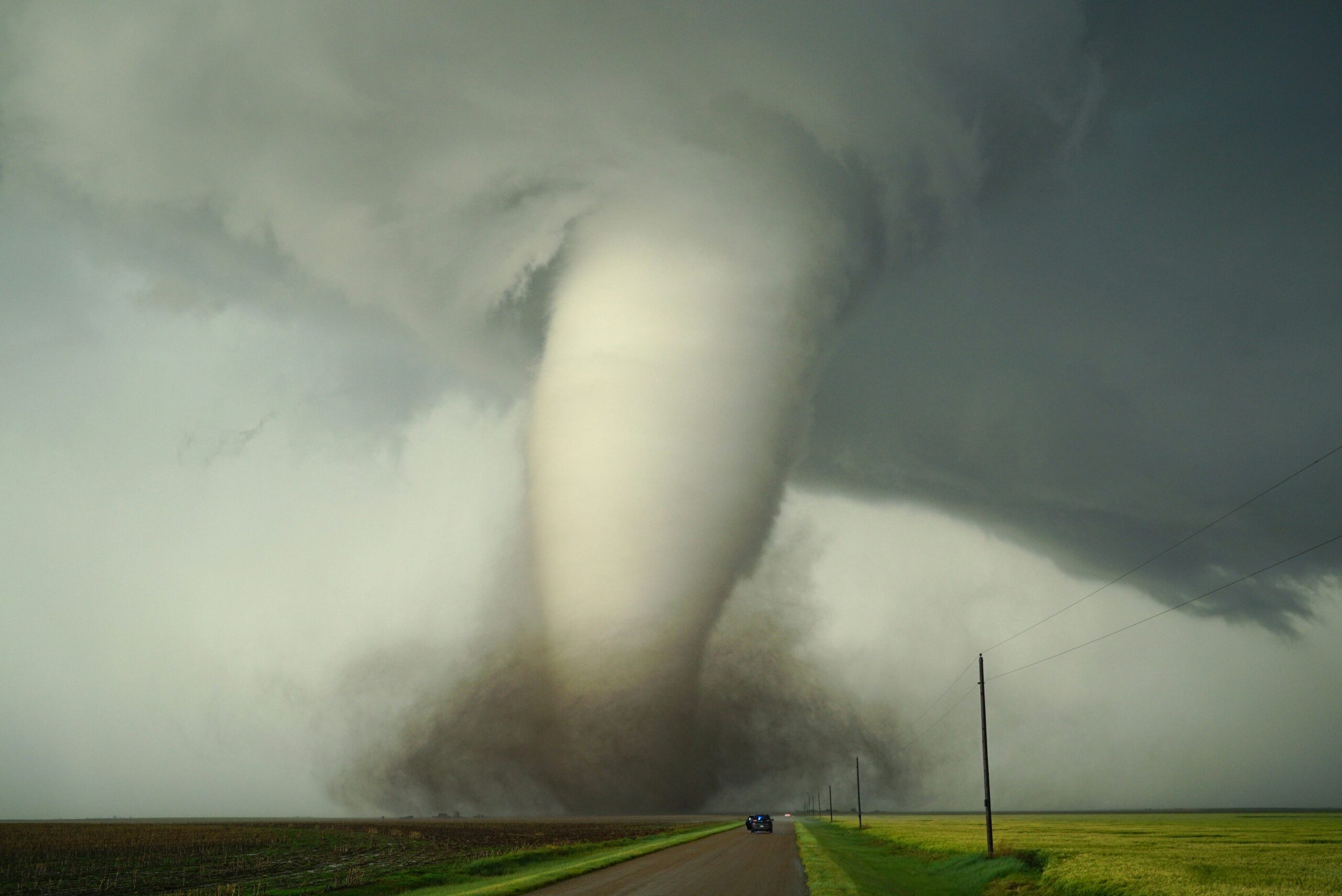
Tornadoes are powerful storms that can cause considerable damage to communities. They can break branches from trees or lift houses off their foundations. The speed with which they form, and their variable intensity, make them some of the most unpredictable disasters on the planet.
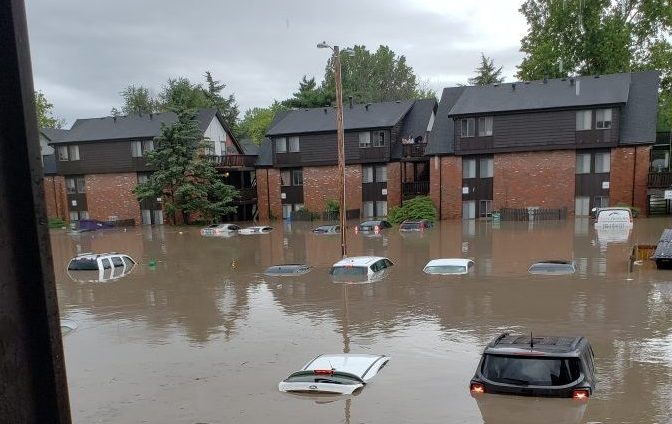
Flooding is our nation’s most common natural disaster. Regardless of whether a lake, river or ocean is actually in view, everyone is at some risk of flooding. Flash floods, tropical storms, increased urbanization and the failing of infrastructure such as dams and levees all play a part — and cause millions (sometimes billions) of dollars in damage across the U.S. each year.