
State of Disaster Philanthropy
2026
The State of Disaster Philanthropy is an annual report that analyzes charitable giving for disasters and humanitarian emergencies. It identifies emerging trends and insights that donors can use to maximize their impact.
The number of disasters worldwide is increasing, but the proportion of philanthropic giving for disasters in 2024 has not. However, there are encouraging signs of growing interest in recovery, preparedness and philanthropic collaboration.
Highlights of philanthropic giving for disasters in 2024
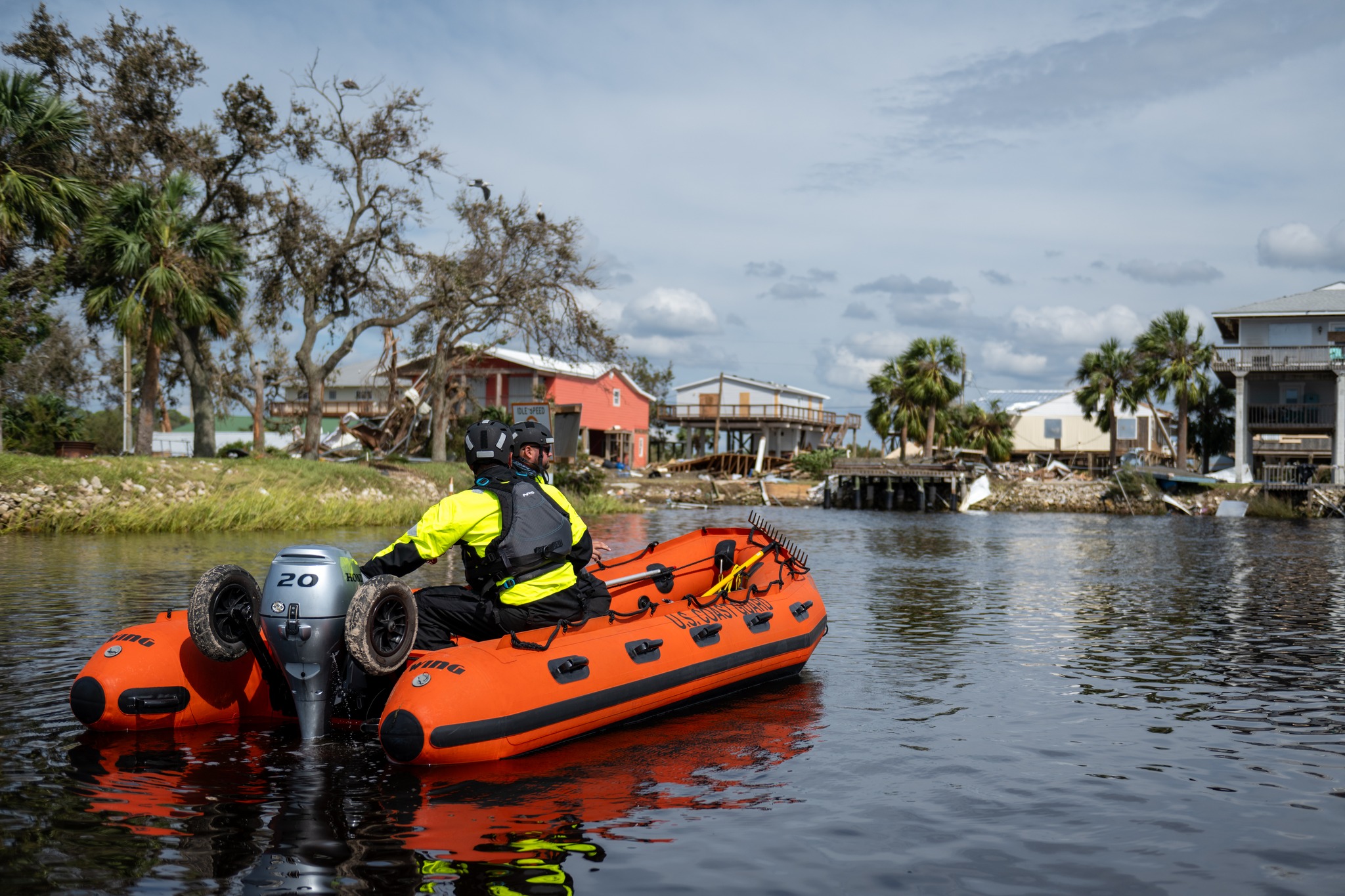
In 2024, disasters and crises impacted millions around the world, including Hurricanes Helene and Milton striking the United States, Typhoon Yagi devastating parts of Asia, flooding inundating Central Europe, and Sudan continuing its recovery and reconstruction amid an ongoing civil war.
That same year, of the $128.9 billion in philanthropic giving tracked by Candid, $1.2 billion, or 0.9%, went toward disasters.
At a time when the severity and frequency of disasters is increasing, the share of philanthropic giving for disasters as a proportion of overall giving remained flat from 2023 to 2024.
Less than 1% of giving for disasters is insufficient to meet increasing needs amid high disaster risk, persistent vulnerability and the layering of crises. At the same time, steadiness in philanthropic giving for disasters can be viewed positively against the backdrop of funding cuts and uncertainty in recent years.
Family foundations as well as some of the largest U.S. private and community foundations stepped up for communities affected by disasters.
Family foundations accounted for one-third of all disaster giving, the largest among different types of foundations. They also were responsible for $9 out of every $10 that went toward complex humanitarian emergencies.
When looking only at the largest U.S. foundations, disaster giving is increasing, based on Candid’s Foundation 1000 dataset. Excluding epidemics, disaster giving from this group in 2024 reached $609.8 million, the highest amount recorded since tracking began in 2012. The total number of funders is also increasing over the long term, which is one indicator that disaster philanthropy is growing.
Major disasters and humanitarian crises continue to drive philanthropic support.
Hurricane Helene and Ukraine’s humanitarian crisis drove disaster-related philanthropic giving in 2024. Rather than focusing their giving on a specific type of natural hazard, philanthropy often responds to individual major disasters or crises, showing that a disaster’s effects on people remain the mobilizing force.
Complex humanitarian emergencies
Support for complex humanitarian emergencies (CHEs) is on the rise, which is good news.
The share of giving for CHEs has fluctuated in recent years but is on an upward trajectory – from 17.4% in 2022 to 10.1% in 2023 and 22.8% in 2024.
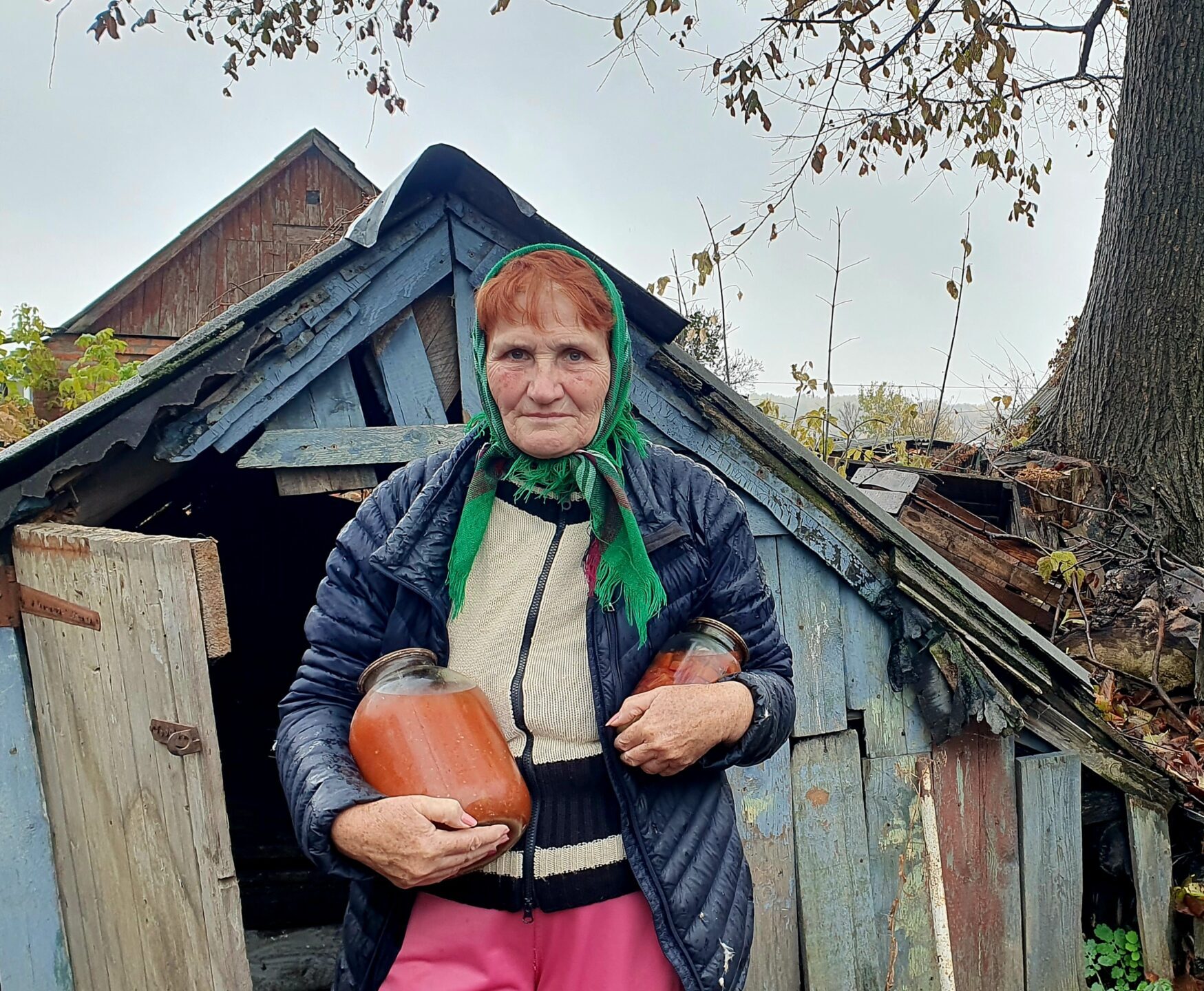 Nadia in front of her cellar in Derhachi, Kharkiv, Ukraine. Photo credit: Corus International
Philanthropic donors are increasingly supporting communities affected by these emergencies and have strengths that make their engagement valuable.
Preparedness is gaining philanthropic attention and investment, while the share of giving that went toward reconstruction and recovery declined.
In 2024, preparedness accounted for 11.3% of philanthropic giving for disasters, a significant increase compared from 1.9% in 2023. While this is a welcome development, further investment is needed to reduce the impact of future hurricanes, wildfires and other hazards on communities before the next disaster strikes.
Collaboration is key
Collaboration and influence are critical tactics for affecting change.
Philanthropic leaders interviewed talked about building coalitions, strengthening relationships, and leveraging power and influence as essential for effective disaster philanthropy.
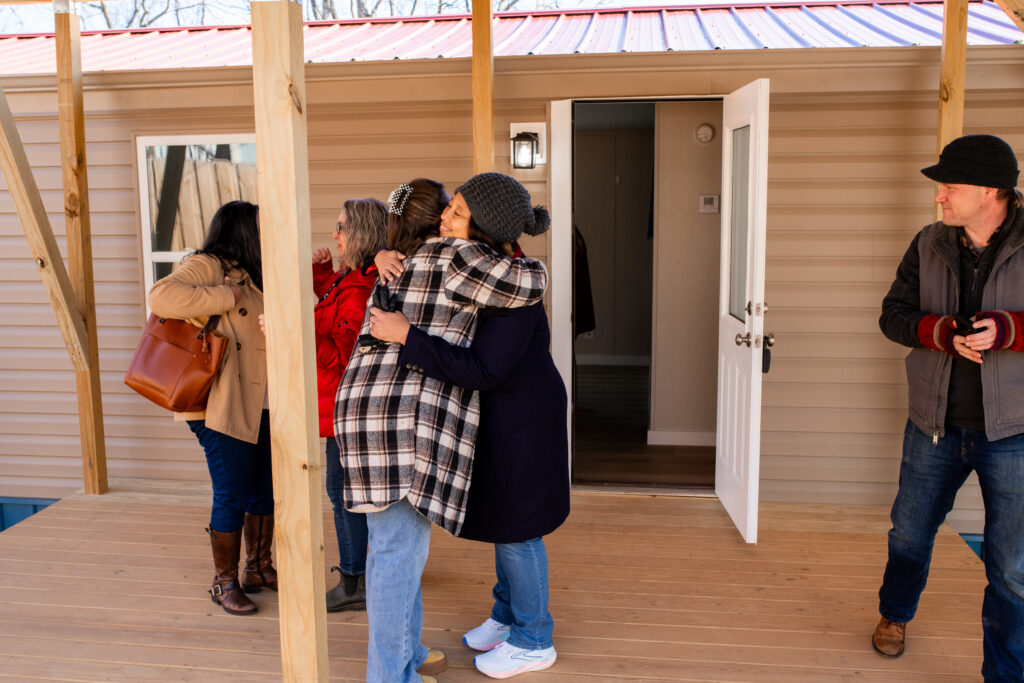
 CDP staff and board members meet with staff from Swannanoa Communities Together, a CDP grantee partner, during a trip to Asheville, North Carolina, December 2025. Photo credit: Mike Belleme
About the data
Two data sets from Candid were used in this edition of State of Disaster Philanthropy: data from Candid’s transactions database and Candid’s Foundation 1000. Data is drawn from Candid’s database and reflects information as of June 4, 2026. The transactions data set is sourced from publicly available data sources, including IRS Forms 990 and 990-PF, grantmaker websites, funders that report their grantmaking directly to Candid, and published media, including English-language news and press releases. The data set includes cash grants, grants to individuals, program-related investments, and in-kind gifts with a monetary value from private and community foundations, corporations (including corporate giving programs), public charities, and other grantmaking organizations and individuals in fiscal year end 2024. U.S. and non-U.S. funders are included: Of 3,263 funders, 3,243 were based in the U.S., representing 99.4% of disaster-related dollars. For U.S. community foundations, discretionary grants are included as well as donor-advised grants when provided by the foundation. To avoid double counting, transactions to grantmakers in the data set are excluded. The data set excludes pledges (announced intentions to award a monetary or in-kind contribution). “Direct global giving” refers to transactions awarded to recipient organizations headquartered outside the U.S. for work taking place exclusively in the recipient country. The analysis, therefore, excludes recipients without location information, including some anonymous recipients and individuals. Candid used similar methodology in the Council on Foundation’s Advancing Locally Led Development report (https://cof.org/content/advancing-locally-led-development). Candid’s Foundation 1000 includes grants of $10,000 or more by 1,000 of the largest U.S. community, corporate, independent and operating foundations. It excludes loans, grants to individuals, program- and mission-related investments, and grants from corporate giving programs, public charities (excluding community foundations) and individual donors.
Invest in communities before, during and after a disaster
This report explores how philanthropy is navigating a challenging context and encourages funders to use all available resources to maximize impact, collaborate with intention and invest before the next disaster.
Philanthropic Giving for Disasters in 2024
In 2024, $1.2 billion (or 0.9%) of the $128.9 billion in total philanthropic giving in Candid’s database went toward disasters and humanitarian emergencies.
of the $1.2 billion in philanthropic giving went toward response and relief in 2024
supported preparedness in 2024
went toward natural hazards and severe weather in 2024
went toward complex humanitarian emergencies in 2024
Reflections
"Emergency relief saves lives, but it doesn’t rebuild homes, reopen schools or restore a community’s access to health care. Investing in disaster preparedness makes the difference between a temporary setback and years of recovery. Donors must invest before disasters strike and stay for the long road, so communities can break the cycle of crisis to truly recover and thrive.”
Patricia McIlreavy
President & CEO of CDP
"We are definitely being more deliberate about where philanthropy adds distinct value. So not just tipping our money into another pot of something, but trying to think about, okay, is there something that we can be the first risk taker on? Is there something that we can provide flexible funding on that will make a difference?"
Respondent 2
Based outside the U.S.
"Particularly in the resource constrained environment that we are in, we can't fill the gap. But just trying to think about how we can open doors, create connections or push for accountability.”
Respondent 2
Based outside the U.S.
“Networks are a way to pull multiple levers of change and wield a lot more power.”
Respondent 17
U.S.-based
“The preparedness work, I already talked a bit about this with the mitigation, but I do think people are just really starting to pay more attention to that because of the trends that we've seen with the increase in frequency and severity of storms.”
Respondent 8
U.S.-based

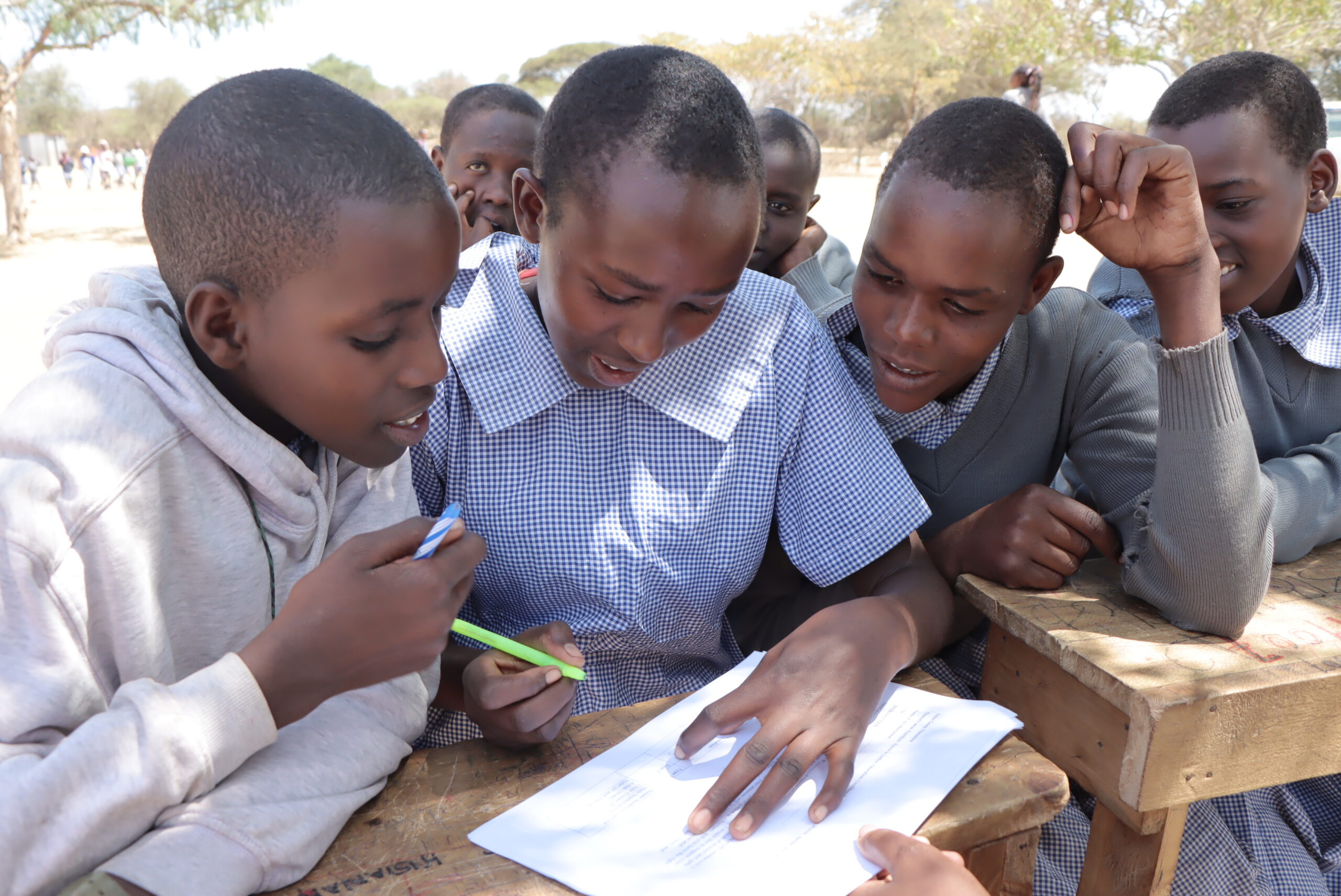 Community outreach led by CDP grantee partner Forum for Women in Development, Democracy and Justice (FODDAJ) with children at Olenarau Primary School in Kenya. Photo credit: FODDAJ
Key Recommendations
Philanthropy can maximize its impact on causes and communities we care about by mobilizing resources and strengths before and after disasters occur.
Leverage all philanthropic resources.
To maximize impact in a constrained funding environment, tap into both financial and non-financial resources, such as building trusted relationships between stakeholders.
Strengthen organizational, relational and financial collaboration.
There are willing peers and partners ready to work together to effect change.
Invest in recovery and preparedness.
Communities are asking for longer-term support to withstand disasters, and the case for preparedness is convincing and evidence-based.
 Women attend a community outreach session led by CDP grantee partner Forum for Women in Development, Democracy and Justice (FODDAJ) in Taruwes Village, Kajiado East, Kenya. Photo credit: FODDAJ