Fund: Global Recovery Fund
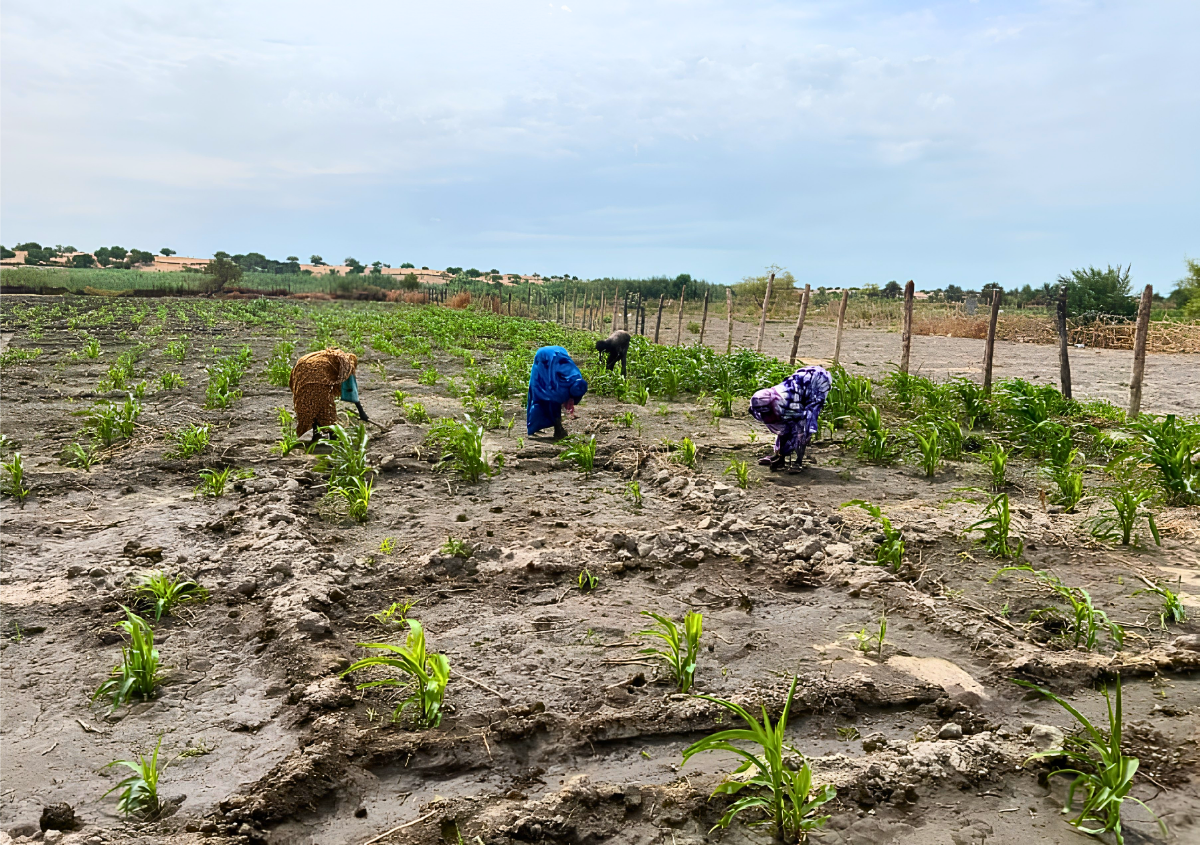
“We cannot sit idly by and watch our families’ situation deteriorate. We farm, but the harvests are not enough to cover our food needs, exposing our children to various diseases linked to malnutrition,” said Fatimé Issa, a 45-year-old mother of six.
In Chad’s Lac, Batha and Bahr el Gazel provinces, communities are experiencing the effects of climate change with growing intensity. Prolonged drought, soil degradation and erratic rainfall threaten rural livelihoods, shrink arable land, cause food shortages and drive migration. Women like Fatimé, who bear primary responsibility for family food security, are particularly affected.
In the face of these challenges, the community in Bahr el Gazel established a cooperative that brought together women determined to transform their own lives and those of their families.
“Our cooperative was created to address this situation. Unfortunately, our meager resources have not allowed us to achieve the goal we are striving for,” said Fatimé.
In early 2025, CDP awarded a grant to L’ONG Sahkal to strengthen the resilience of communities affected by climate crises in Chad by providing immediate humanitarian assistance through the distribution of food and household kits to households affected by 2024 flooding and supporting long-term resilience-building interventions. The food kits had an immediate impact on food insecurity, raising household meals from one to three per day, while freeing up income for other essential needs. Recognizing the challenges the women in these communities faced, Sahkal also stepped in to provide technical and financial support. The goal was to help women to effectively address climate change and develop sustainable income-generating activities.
Sahkal provided the community with kits containing improved seeds and farming tools and installed solar-powered wells at three community centers. In total, 1,500 households received practical training on climate-resilient agricultural techniques, including adapted vegetable farming and agroecological practices. Women learned essential skills to adapt their activities to changing climate realities.
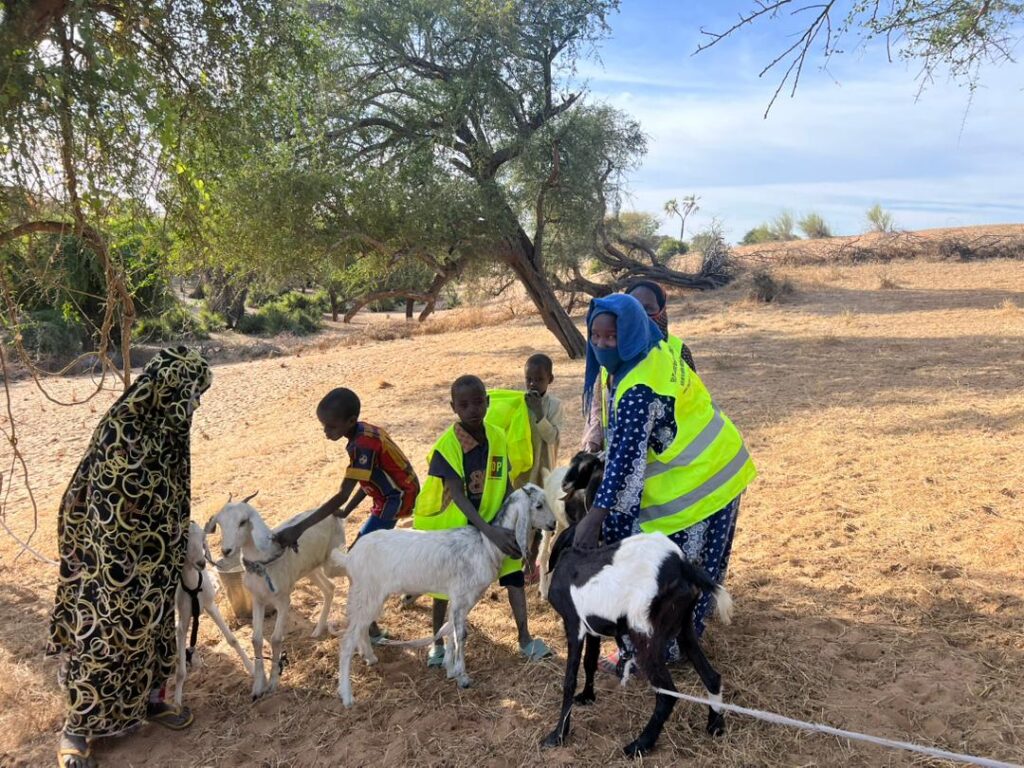
“We thank Sahkal and its partner CDP. Since Sahkal began working in our community…we have increased our yields and are able to have three meals a day thanks to the diversification of our income sources. Today, the cooperative members are able to support themselves,” said Fatimé.
Mahamat Saleh Tahir, national coordinator of Sahkal, is proud of the work his organization has done with funding from CDP: “SAHKAL has been able to encourage communities to create cooperatives in order to reduce displacement and cultivate shared resources, the income from which benefits everyone. Today, the results are evident.”
To ensure the economic viability of their activities, members were also trained in cooperative management and simplified accounting.
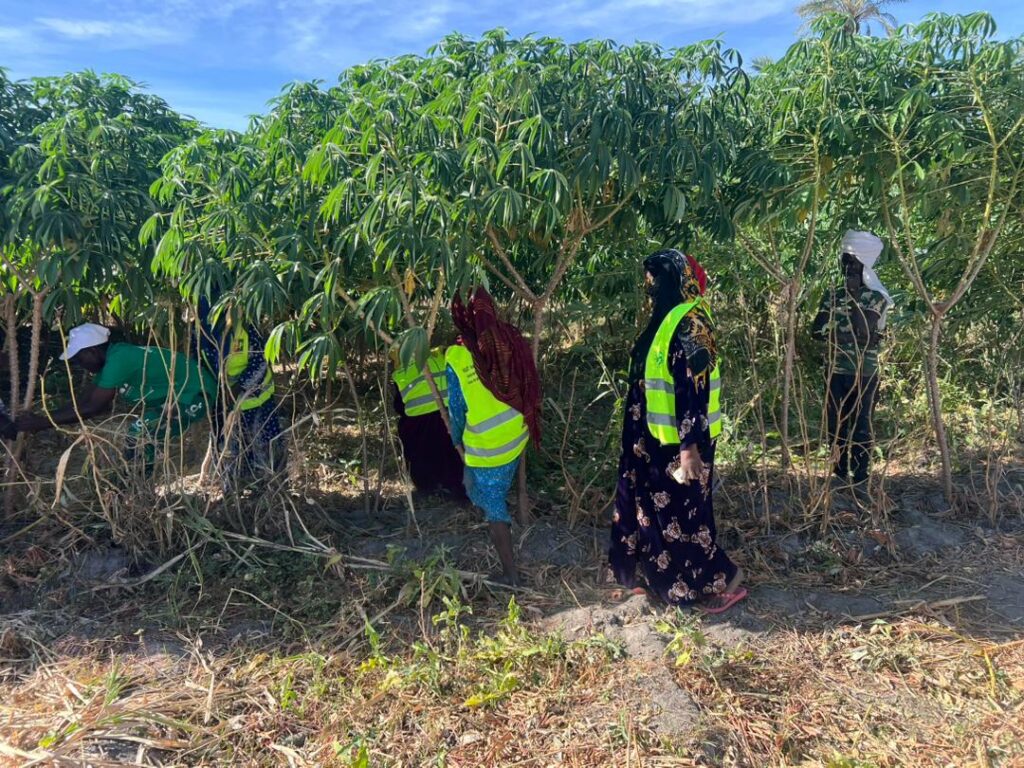
“We now produce fresh vegetables year-round, a real feat in our semi-arid province. The monthly incomes of our cooperative’s members have increased significantly, allowing them to provide for their families, send their children to school and even build up collective savings,” emphasized Aché Abdoulaye, a member of a women’s cooperative in the province.
Beyond the economic benefits, the project also created a remarkable ripple effect throughout Bahr el Gazel. Other women’s groups have expressed interest in replicating the model, and the cooperative is now a hub for climate-resilient agricultural practices.
Building on its success, the cooperative plans to expand its activities. Members intend to develop a vegetable processing unit to reduce post-harvest losses and increase the value added of their produce. They also wish to share their experiences with other women’s groups in the province, thereby becoming agents of change in their community.
The partnership between Sahkal and CDP continues to support this positive momentum, illustrating how well-targeted support can transform vulnerabilities into opportunities and beneficiaries into agents of their own development.
In total, the project benefited 6,000 individuals across three provinces in Chad. The project’s unique integrated, resilience-building approach, combining food assistance, seed distribution, livestock support, and technical training, also helped elevate Sahkal’s reputation, making the NGO a key player in humanitarian interventions. This recognition could bring future funding opportunities for the organization.
Learnings from this grant also highlighted the need for further integration of climate considerations into future project designs to increase sustainability and ensure interventions remain responsive to changing conditions, like displacement dynamics and increasing, recurrent natural hazards.
CDP is proud to support Sahkal’s work and help women like Fatimé and Aché provide for their families, achieve economic independence and strengthen the resilience of their communities in the face of a changing climate.
Story by Ruja Entcheva.
Editor’s note: To increase linguistic accessibility for our partner, CDP’s team completed the entire grantmaking process for Sahkal in French. This allowed Sahkal’s team to submit their grant application, final reporting and all other communication in French, and reduced the administrative burden of translating material into English. In light of this, we have also published this impact story in French, read it here.