How to help communities affected by the earthquake in the Philippines
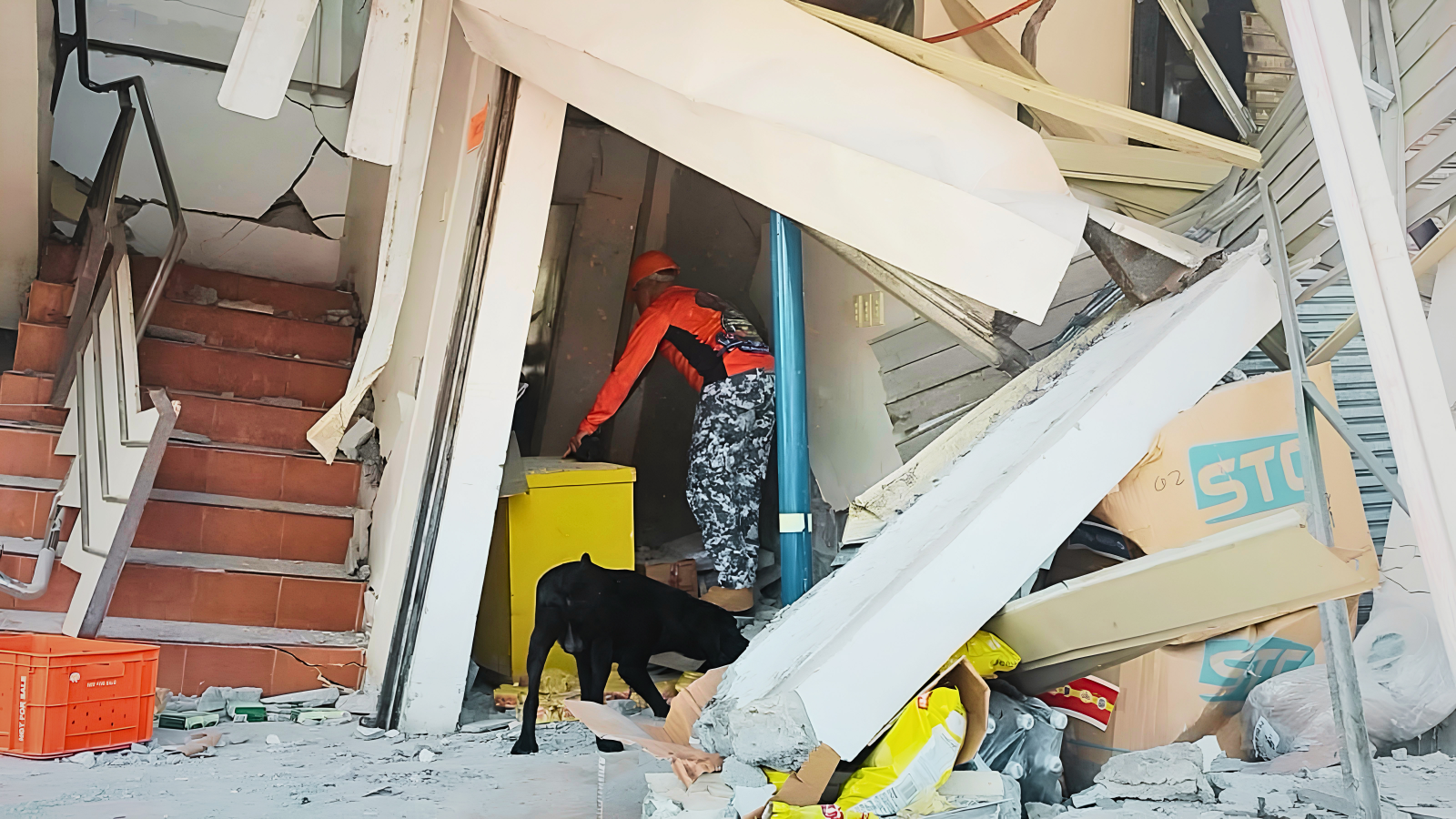
On Monday, June 8, a 7.8-magnitude earthquake struck off the southern coast of the Philippines in Mindanao. At least 47 people died and nearly 500 were injured. Most injuries were caused by collapsing buildings, falling debris and landslides. Thousands of homes were destroyed, and roads and bridges were damaged, displacing tens of thousands of people. At least 12 people remain missing. Damage from the resulting tsunami was recorded in one southern village, and smaller waves hit as far as Japan.
The quake happened during the first day of classes for the 2026-2027 school year. About 6,000 school buildings were damaged and will need to be assessed before students can return to the classroom.
Although this was the most powerful earthquake to strike the country in 50 years, the death toll was relatively low compared with previous quakes. The Philippines’ investment in disaster risk reduction programs helped communities develop emergency procedures, earthquake safety drills and evacuation routes. Additionally, rescue operations were on the ground immediately, and many people received help during the window after an earthquake when survival rates are highest. The earthquake also occurred during daylight hours when people could evacuate buildings quickly.
Still, the damage from the earthquake is extensive. The fallout is greatest for pregnant women facing higher morbidity due to disrupted health care, older adults with mobility issues, those with lower socioeconomic status who cannot afford to rebuild or repair their homes, and people crowded in displacement camps where disease outbreaks and protection risks are high.
How you can help
- Provide cash assistance. As with most disasters, experts recommend cash donations, which allow on-the-ground agencies to direct funds to the greatest area of need, support economic recovery and ensure in-kind donation management does not detract from disaster recovery needs.
- Support immediate and long-term needs to help survivors recover now and better withstand future disasters.
- Give to locally led humanitarian and aid entities whenever possible. These organizations are vital to long-term equitable recovery in communities after a disaster.
Join CDP’s effort to support the recovery efforts in the Philippines by giving to our Global Recovery Fund.

Gina DeLuca
Content Development Associate