Beyond Tornado Alley: Evolving risks and opportunities for philanthropy
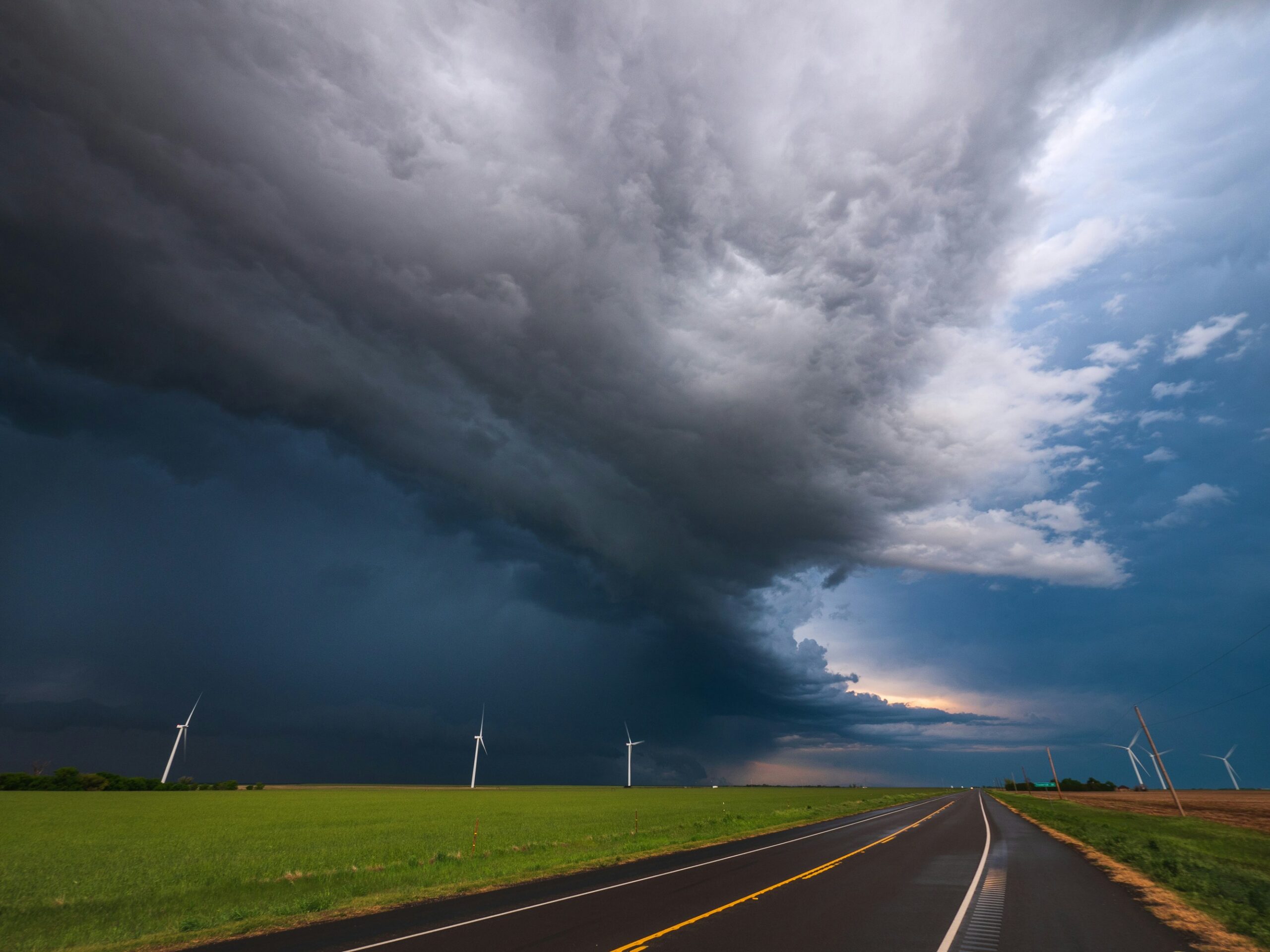
The Great Plains region of the United States has long been known as “Tornado Alley.” Movies and memes often depict people in Kansas or Oklahoma facing the brunt of deadly tornadoes. Having grown up in South Dakota and worked on multiple tornado recovery efforts across the region, I know there is a real sense that “we just know what to do” and that tornadoes are simply part of living here.
But as geographic regions affected by tornadoes shift eastward, more communities are affected; capacity and resources remain uneven, and recovery continues to become more complex and protracted. For donors and other funders, this means that we must shift how we support our communities so they can prepare for and recover stronger from tornadoes and severe storms.
Shifting risks and vulnerabilities
Occasionally, large and catastrophic tornadoes generate renewed national attention. Recent examples include Joplin, Missouri (2011), Moore, Oklahoma (2013), Mayfield, Kentucky (2022), Rolling Fork, Mississippi (2023) and St. Louis, Missouri (2025). However, thousands of other tornadoes receive less attention but still cause damage at scales ranging from individual homes to entire neighborhoods and small towns. These lower-attention outbreaks can still be traumatic while leaving communities struggling for years to recover housing and other infrastructure.
Additionally, researchers have noted shifts in the frequency, intensity, geography and seasonality of tornadoes. While annual averages for tornado occurrence have not changed significantly, the number of tornadoes occurring on a given day has increased; in other words, outbreak activity is increasing. Also notable is a shift in seasonality, with tornadoes moving beyond the traditional spring and summer months and into fall and winter. Geography is shifting as well, with fewer tornadoes in the Great Plains and more in the eastern and southeastern United States. Some researchers have noted that these changes can increase the potential for tornadoes to affect higher-population areas, create more nighttime events and reach more mobile homes or older, vulnerable housing stock.
The impacts of these shifts, along with other systems and societal changes, mean that many communities face higher risk with relatively low capacity to respond to and recover from these events. As a result, funders may need to shift their focus from one-time, storm-by-storm response toward sustained investments in preparedness, local capacity, regional coordination and long-term recovery infrastructure to fully meet growing needs.
Potential funder strategy shifts
Taken together, these trends suggest that tornado response can no longer be treated primarily as an episodic hazard. For funders, the strategic question is not only how to respond after a high-profile storm, but how to strengthen the community-based systems that help people prepare, access assistance quickly and sustain recovery when attention fades. Funders need to consider shifting from reactive disaster response to long-term investments that strengthen preparedness, resilience and community-led recovery. A few ways to do this include:
- Investing in community-based organizations. Provide flexible resources that allow local organizations to strengthen preparedness, improve organizational readiness and build the civic and social infrastructure needed for tornado awareness, emergency assistance and long-term recovery.
- Convening and supporting cross-sector partnerships. Bring together researchers, emergency managers, nonprofit leaders, funders and community members to better understand changing tornado risks and develop local strategies to reduce vulnerability. These efforts may include weatherizing and fortifying homes, improving warning systems and updating hazard mitigation and recovery plans.
- Adopting a regional and year-round funding strategy. Rather than responding to storms individually, pre-position resources with trusted community-based and regional organizations that can quickly provide food, water, shelter and household assistance after disasters. Similarly, establish flexible long-term recovery funding that can be deployed through organizations with strong local relationships and equitable recovery approaches.
Funders do not have to build these approaches alone. At CDP, we offer several ways to support tornado preparedness and recovery. Through the U.S. Severe Storms and Tornadoes designation within CDP’s Disaster Recovery Fund, funders can support community-based organizations leading both recovery and preparedness efforts in tornado-affected communities. We also provide expertise, educational resources, such as the 2026 US Tornadoes and Severe Weather disaster profile, and connections to practitioners, researchers and community recovery leaders working across the field.
As tornado risks continue to evolve, philanthropy must evolve as well. The most effective investments may not be those made after the next headline-grabbing disaster, but those that strengthen local capacity, preparedness and recovery systems before the next storm occurs.
Cari Cullen
Program Officer, Domestic Funds