The hidden impacts of wildfires that donors need to know
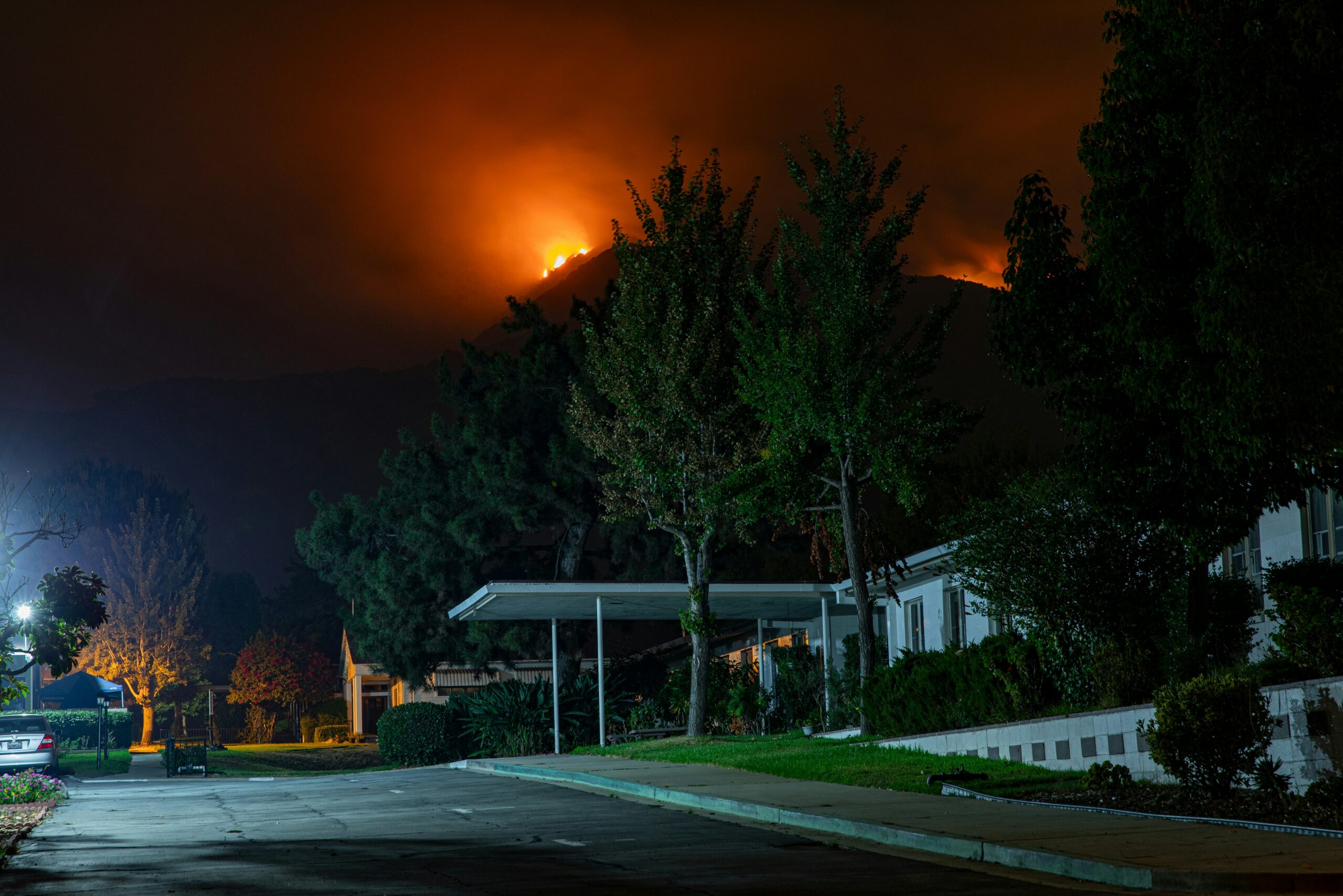
I recently visited communities in southern Oregon still living with the impacts of the 2020 Almeda Fire, which destroyed approximately 2,300 homes and displaced thousands of residents.
The conversations I had with elected officials, community organizers, nonprofit leaders and public-sector partners revealed something donors often miss: rebuilding homes and infrastructure matters, but long-term recovery also depends on meeting unmet needs and the social connections that help people work together to remain in and return to their communities.
Two lessons stood out: resilience requires a whole-community approach, and recovery must prioritize people, not just infrastructure.
Collaboration is key
Wildfire resilience and recovery cannot be built one home, one organization or one sector at a time; they depend on a community’s ability to collaborate.
Property-level mitigation matters, but lasting progress requires a whole-community approach to address interconnected risks. Stronger connections among public and private organizations, workforce and economic development efforts, researchers and policymakers, and community-led initiatives are not optional; they are core recovery infrastructure.
It’s about people and communities
Wildfire recovery must focus on people, not just infrastructure. After a disaster, attention often centers on the number of homes destroyed and the pace of rebuilding. But recovery outcomes also depend on whether residents are treated with dignity, agency and meaningful opportunities to shape what comes next.
This was especially evident in conversations with residents displaced from manufactured housing communities. Wildfire survivors spoke about the importance of calling their neighborhoods “villages,” emphasizing the social bonds, mutual support and sense of belonging those places provided. Their stories underscored a simple truth: people want more than replacement housing—they want recovery efforts that honor their experiences and preserve community connections.
Many wildfire recovery needs remain unmet. Three of these needs deserve particular attention from donors: affordable housing, public health and safety, and local economic recovery.
1) Affordable housing
Access to affordable housing is already a persistent challenge in communities across the country, and disasters deepen existing inequities. People experiencing housing insecurity are often the least visible and the last to have their recovery needs addressed.
Manufactured housing is one of the most important sources of unsubsidized affordable housing, yet communities often struggle to replace and preserve access to this affordable housing option after disasters. As demand for prefabricated materials increases during recovery, repair and replacement costs rise. Combined with limited opportunities for resident ownership and financing challenges, these barriers increase the risk of long-term displacement for many households. The loss extends beyond shelter, disrupting social networks, cultural connections and community cohesion.
Recovery requires more than rebuilding homes. Households need trusted organizations that help them access resources, understand their options and navigate complex housing decisions while maintaining dignity and control over their future. Many communities are advancing more equitable housing solutions through manufactured housing cooperatives, affordable housing preservation and resident-led advocacy.
2) Public health and safety
Wildfires create long-term public health risks that receive far less attention than damaged buildings and infrastructure. While smoke and flames are immediately visible, the health consequences can persist for years.
Smoke remediation in homes, schools and workplaces that survive a fire is often overlooked and underfunded. Without proper cleanup, residents may face increased risks of chronic respiratory illness and other health complications, like heart attacks and stroke.
Wildfires can also contaminate soil and water systems. Destroyed vehicles, homes and infrastructure may release toxic chemicals into the surrounding environment, creating ongoing health risks that recovery efforts must address alongside physical rebuilding.
3) Workforce and economic impacts
Wildfires disrupt local economies long after the flames are extinguished. Businesses may lose customers, employees may relocate, and key industries, including tourism, agriculture, forestry and outdoor recreation can experience significant declines.
Recovery and mitigation efforts also require a skilled workforce. Communities need trained professionals to support forest management, housing reconstruction, environmental remediation, health care and community services. Yet many rural and wildfire-prone regions struggle to recruit and retain this workforce.
Supporting small businesses, workforce development, entrepreneurship and local economic diversification can help communities recover stronger and prepare for future disasters.
What funders can do
With 2026 projected to be a year of intense wildfire activity worldwide, and major wildfire events already making headlines, the need for philanthropic support is both immediate and ongoing. While media attention may eventually shift elsewhere, affected communities will continue to face recovery and resilience challenges long after the fires are extinguished. Funders can take action now to support urgent needs while also helping communities prepare for and recover from future wildfire events. Here are several ways to get involved today and for the long term:
- Invest in community capacity before disasters occur. Support local wildfire resilience planning, preparedness and recovery strategies that help communities anticipate displacement, housing needs and long-term recovery challenges.
- Fund collaboration, not just projects. Effective recovery depends on relationships. Provide resources for the staffing, coordination and time required to bring together residents, nonprofits, government agencies, researchers and private-sector partners.
- Support trusted community-based organizations. These organizations serve as navigators, advocates and connectors for residents facing complex recovery decisions.
- Invest in health and environmental recovery. Along with focusing on housing and economic recovery, fund smoke remediation, water and soil monitoring, and other long-term public health needs that are frequently overlooked after the initial response phase.
- Rebuild community spaces. Prioritize libraries, parks, community centers, gathering places and public art that restore social connection, belonging and community identity after disaster.
- Take a long-term view. Wildfire recovery is measured not by how quickly structures are rebuilt, but by whether people are able to remain in, reconnect with and thrive in their communities.
The lasting impacts of wildfires are deeply human. When philanthropy focuses only on rebuilding physical infrastructure, it misses many of the factors that determine whether a community truly recovers. By investing in housing, public health, economic opportunity and community capacity, funders can help recovery strengthen not only places, but the people who call them home.
Cari Cullen
Program Officer, Domestic Funds