
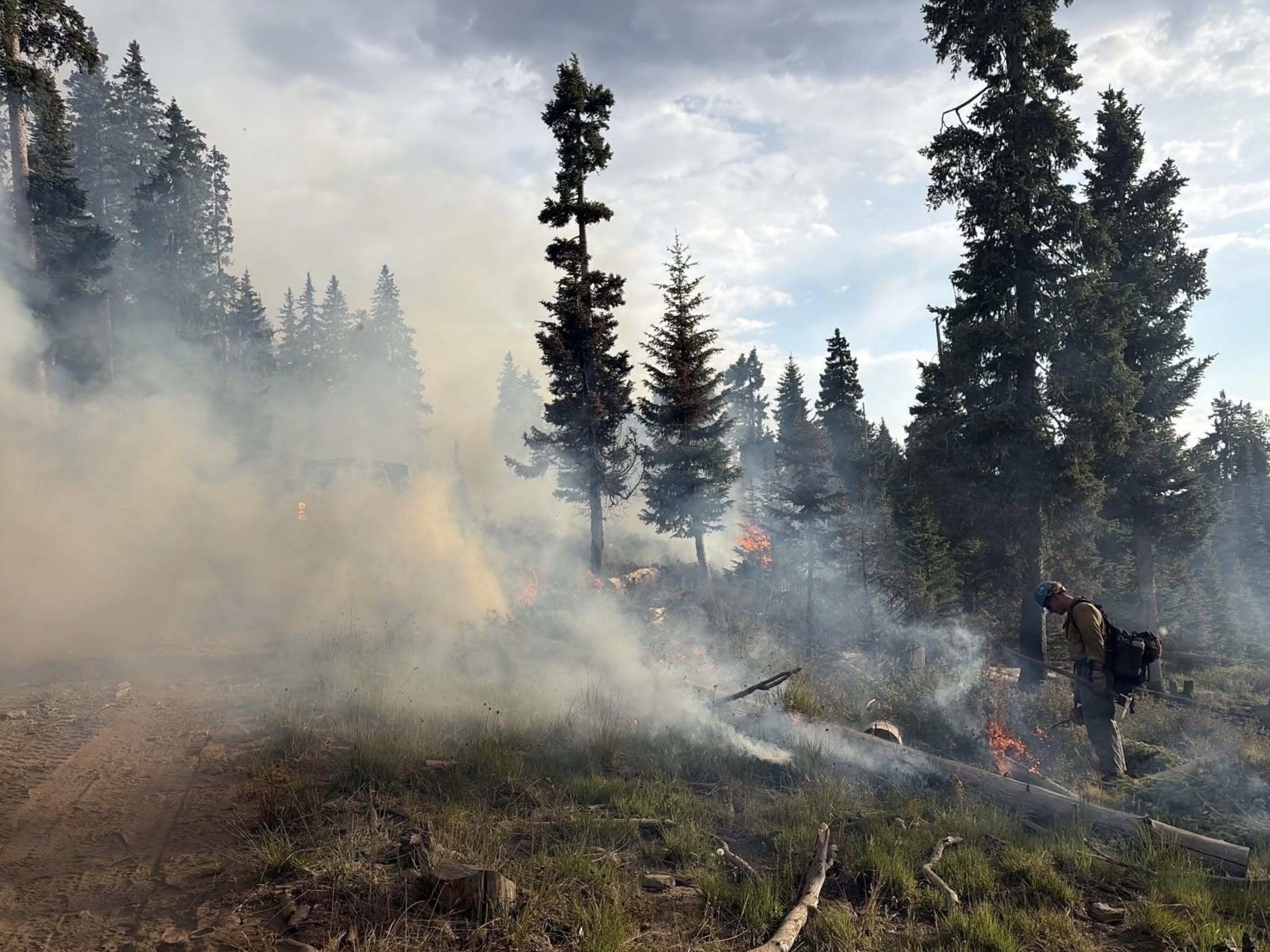
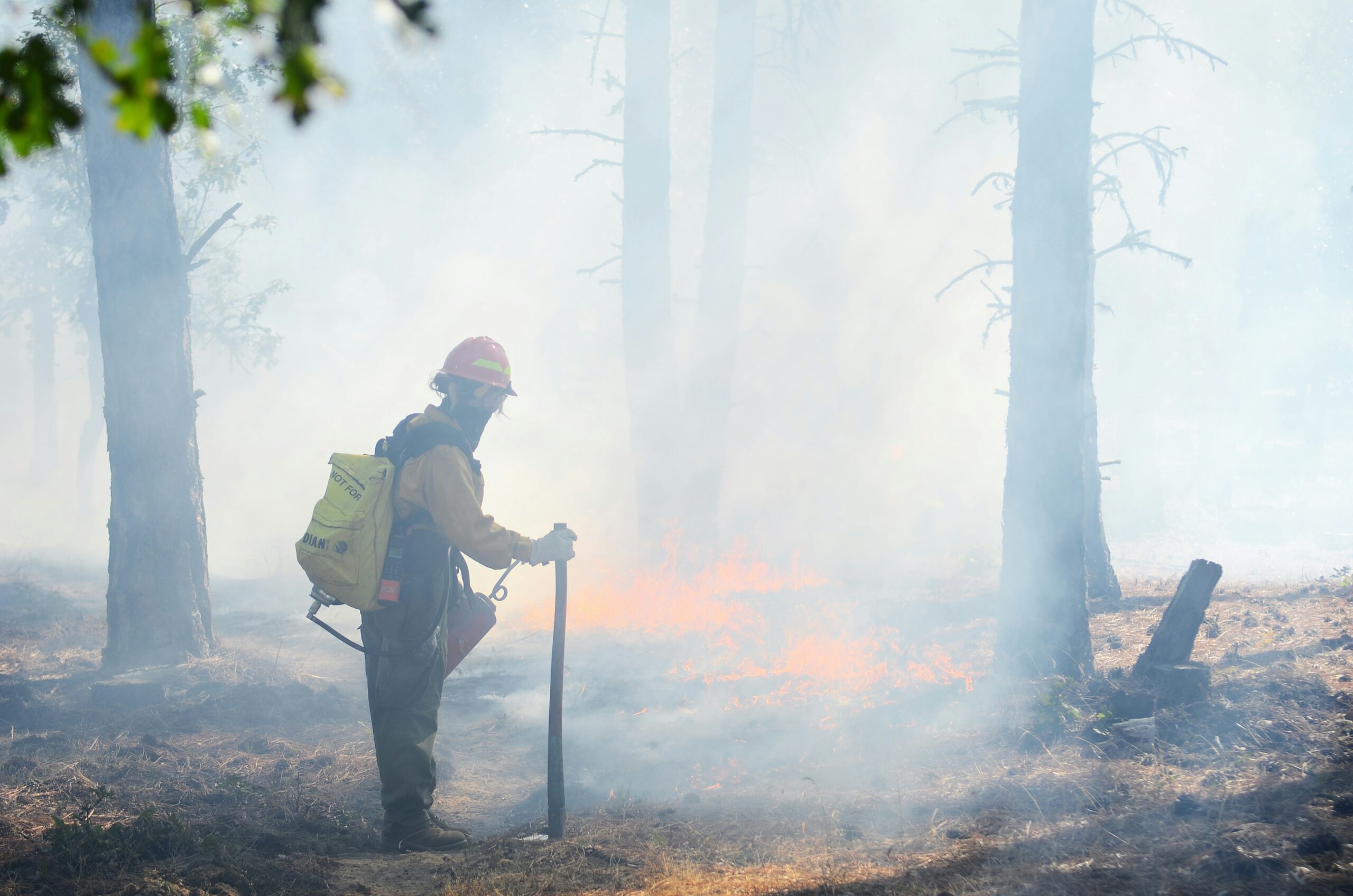
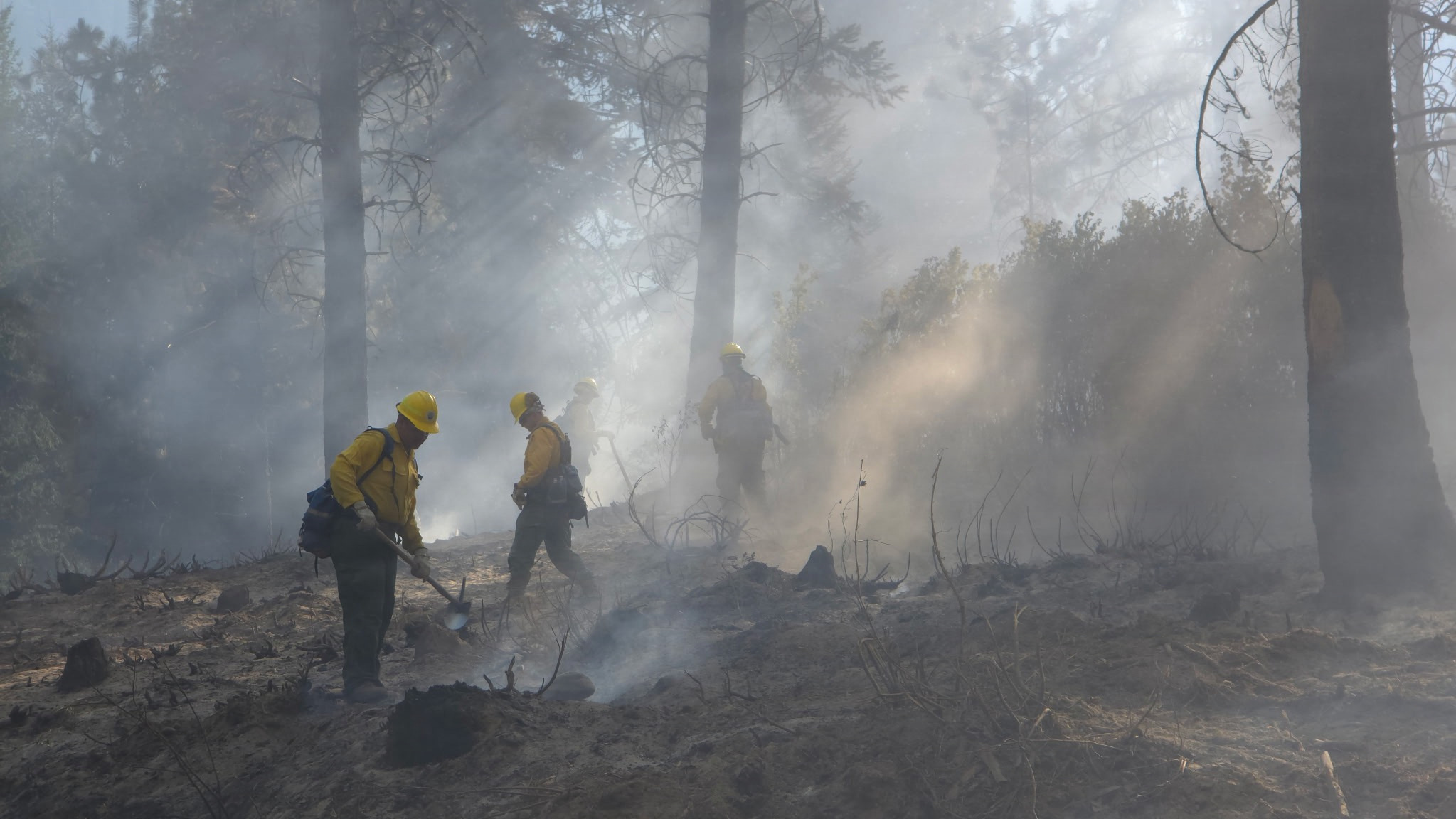
(Cottonwood Fire burning in Fishlake National Forest, Beaver, Utah, July 13, 2026. Photo credit: U.S. Forest Service – Fishlake National Forest via Facebook.)
Loss of life, property, community
Wildfires take lives, destroy homes, displace residents and exacerbate existing affordable housing shortages.
As speakers described in CDP’s 2024 webinar “Insurance and Mother Nature: How does losing insurance options affect disaster philanthropy?” communities around the country are dealing with insurance companies pulling out or no longer writing home insurance policies in areas that are at risk of floods, hurricanes and wildfires.
Displacement may last months or years while communities rebuild. Because of the challenges to rebuilding, some people may never do so and communities may never come back together. Of the 6,571 homes destroyed in the L.A. wildfires in January of 2025, only 13 have been rebuilt as of February 2026.
Environmental damage
Ash and debris from fires can contaminate water supplies, while damaged soil becomes prone to erosion, increasing the likelihood of landslides during the rainy season.
Soil remediation after a fire can take several months or even years, forcing residents who lost their homes to rent or buy while waiting for permission to rebuild.
While there are many immediate needs after a wildfire, such as temporary housing, childcare, automobile replacement, tarping and debris clean-up, funders should also consider investing in long-term recovery needs for affected communities.
Mental health is always a significant issue following fires, especially those that occur in communities previously affected by wildfires.
Funders can support organizations providing both crisis and long-term mental health services. Some ethnic and religious communities need culturally competent and supportive services to meet their needs.
Many communities across North America have both a housing shortage and a housing affordability crisis. Funders can support organizations that provide essential disaster case management that help survivors navigate the complex housing and insurance process.
Businesses that close during wildfires often struggle to reopen, especially small enterprises that form the backbone of many communities.
Reforestation and addressing water contamination are critical to restoring ecosystems after wildfires.
Consider funding projects like urban greening, community gardens and tree planting. These investments make a huge difference in community resilience when wildfires strike. Supporting projects that improve infrastructure to withstand fire is also critical.
At a policy level, building codes should mandate fire-resistant homes. With more wildfires entering urban areas, building durable houses is crucial. Earth blocks are a wildfire-resistant building material made of compressed mud that can withstand hurricanes, earthquakes and tornadoes. Roofs can be fire-resistant using metal shingles, preventing sparks from creating new fires. Insurance companies could incentivize homeowners to protect their homes with defense zones, which add a buffering space between a home and the surrounding wildland. Read more about defense zones here.
Funders can work with local organizations and officials to create policies and build resilience. While preparedness can be costly, $1 invested in preparedness and climate resilience can save up to $13 in disaster recovery costs.
Lastly, investing in early warning systems, community education about evacuation routes and services, and accessible transportation for those with disabilities or older people can reduce loss of life when wildfires strike.
Questions about donating to the Disaster Recovery Fund or need help with your disaster–giving strategy? Contact us now.
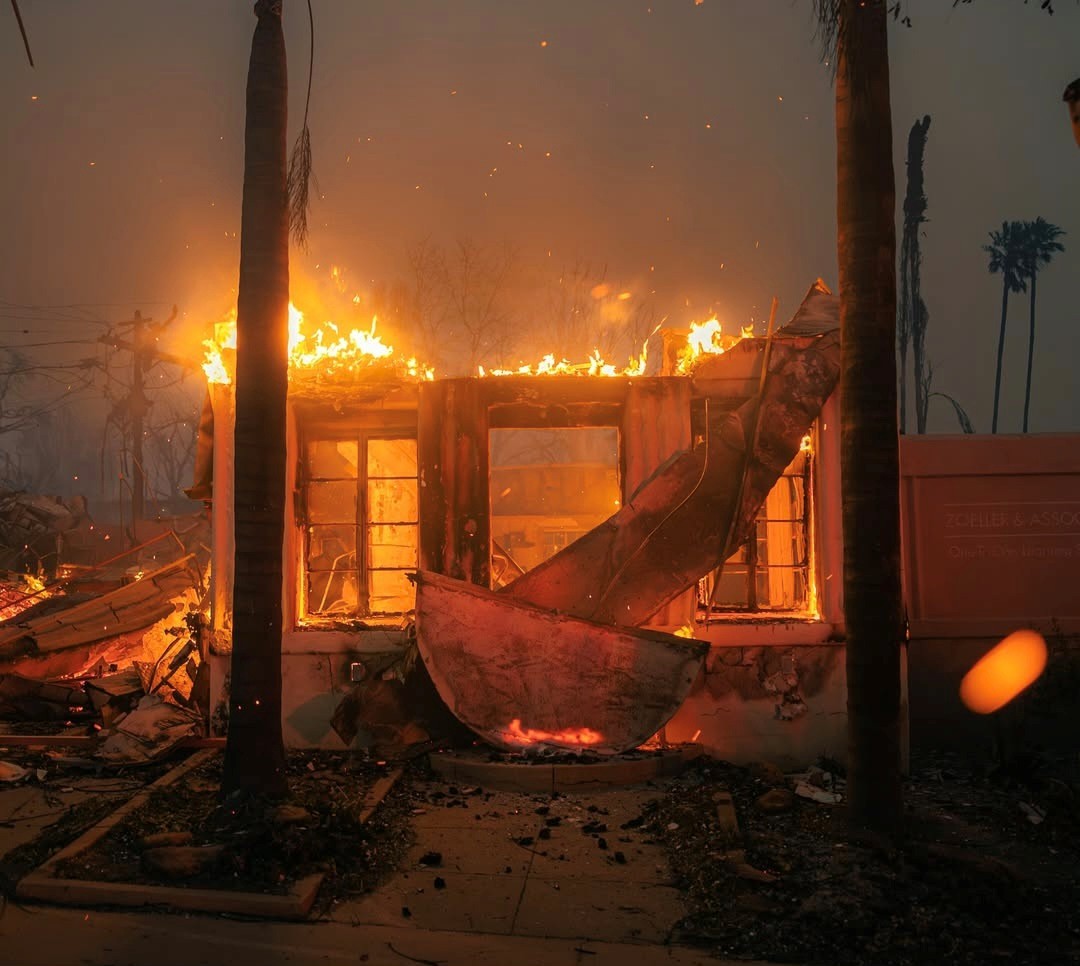
(Photo: By Jessie Rodriguez via Jessie.Shoots on Instagram)
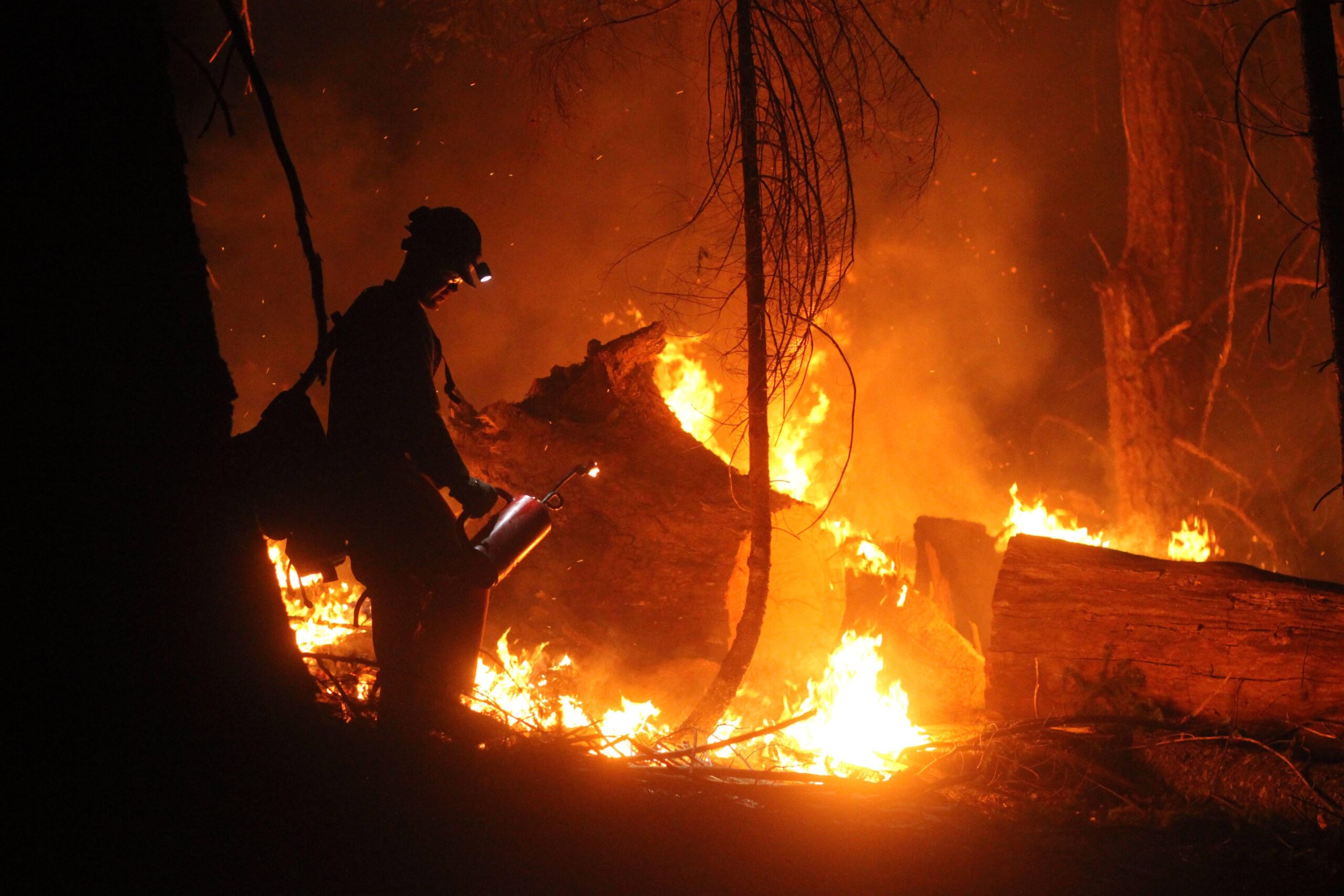
Wildfires devastate homes, livelihoods and communities of people worldwide, making them one of the most destructive types of disasters. While climate change fuels the frequency and intensity of wildfires, wildfires themselves fuel climate change, making them uniquely damaging to the planet.
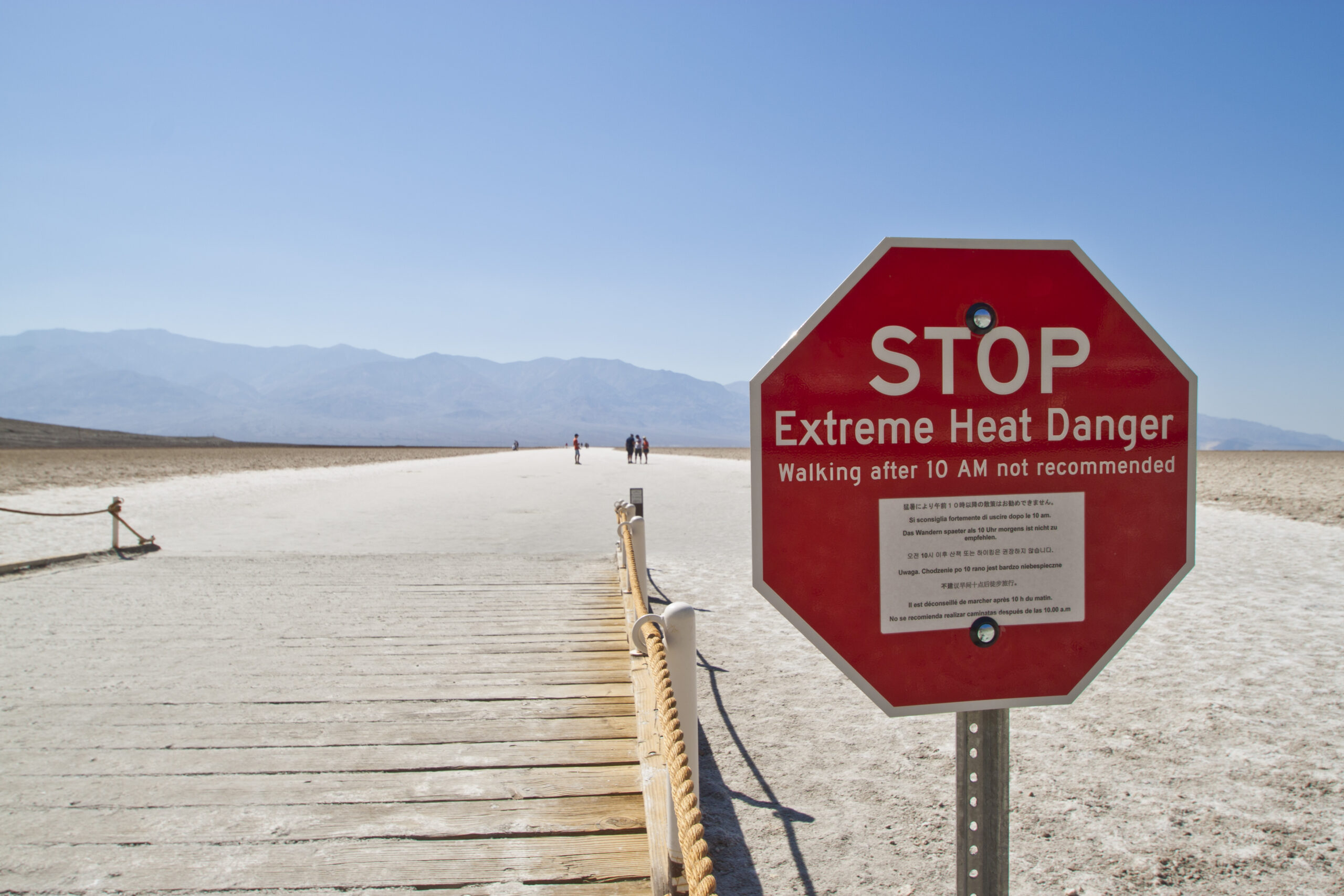
Extreme heat, or heat waves, are periods of unusually high temperatures relative to what is considered normal for a specific location and time of year. In the U.S., heat kills roughly 1,300* people per year, which is more than hurricanes, floods and tornadoes combined.
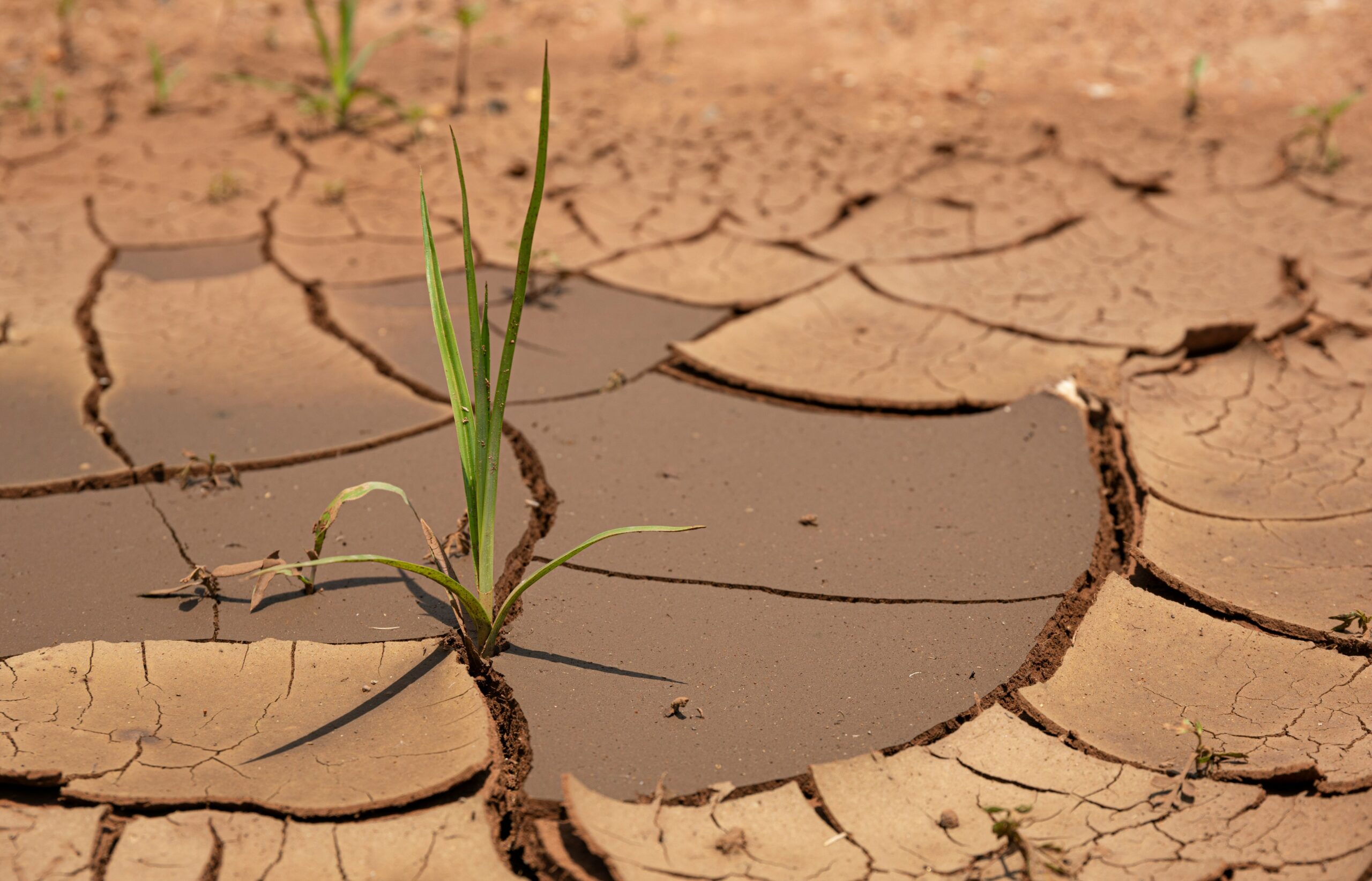
Experts describe drought as a slow-moving global catastrophe. Recent years have seen some of the most widespread and damaging droughts in recorded history, driven by climate change.