
Indigenous-led wildfire recovery: How to support communities affected by wildfires
Indigenous communities are among the hardest hit by a record-breaking wildfire season in Canada, Washington and Oregon in 2026. They are also the region’s most experienced wildfire stewards. Yet, despite generations of knowledge about living with fire, Indigenous people continue to be disproportionately affected by wildfires, highlighting the need for greater investment in Indigenous-led preparedness and recovery. As wildfire season continues, the lesson for funders is clear: supporting Indigenous leadership before, during and after disasters is essential for building resilient communities.
On July 13, Namaygoosisagagun (Collins) First Nation in northwestern Ontario was destroyed in under an hour when a fast-moving fire jumped natural fire breaks, forcing residents to evacuate by boat with little to no warning. This year’s Canadian wildfire season has made Indigenous vulnerability and leadership especially visible. First Nations people account for roughly 42% of wildfire-related evacuations, though they represent just 5% of Canada’s total population. As of mid-July, more than 4,300 people from First Nations have evacuated, while 1,500 people are still displaced.
Indigenous-led fire management
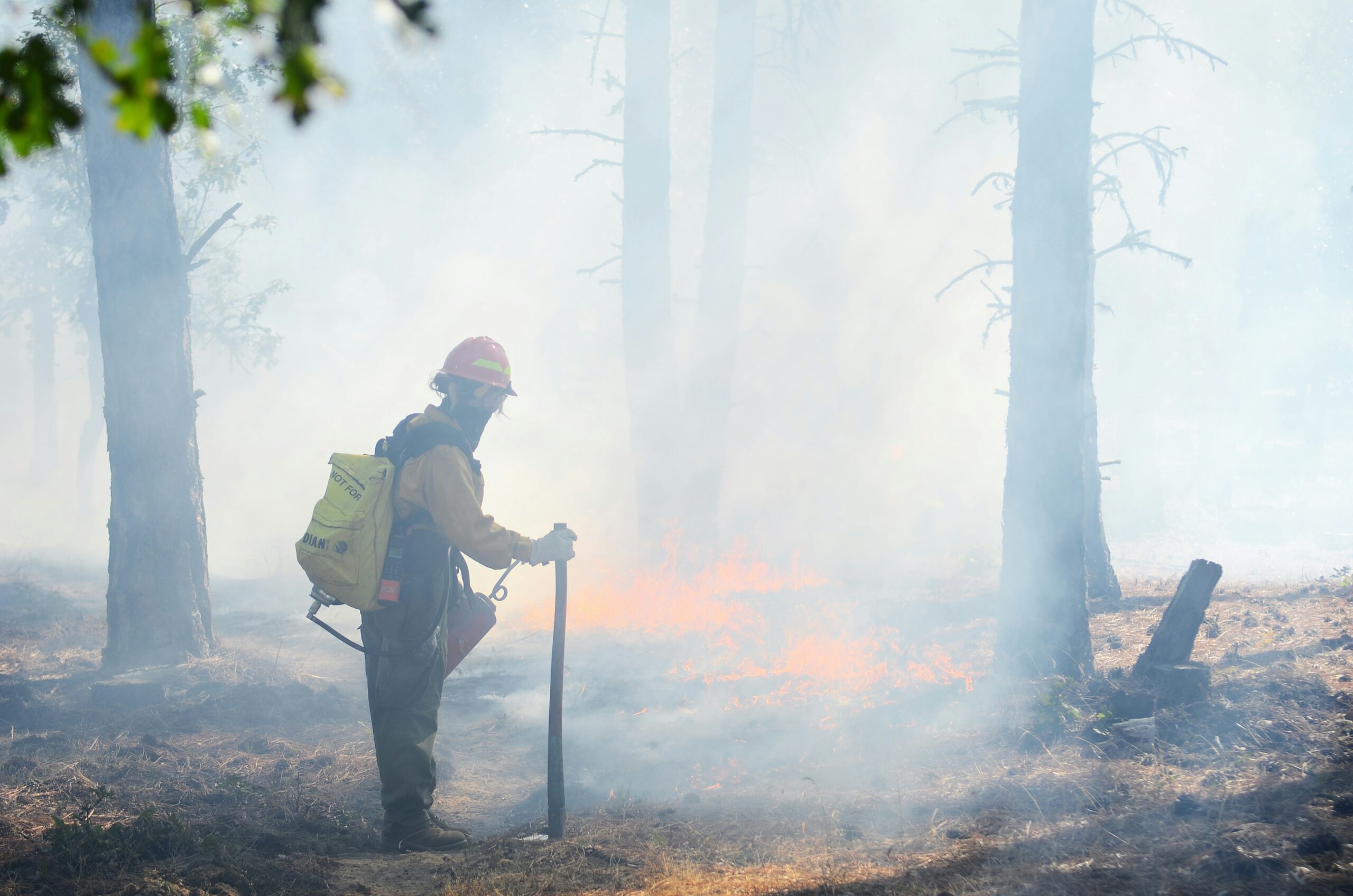
Indigenous-led wildfire prevention centers on the traditional ecological practice of lighting intentional, low-intensity fires to manage landscapes, support biodiversity and maintain connection with the land. Many tribes have developed sophisticated fire management strategies using seasonal burns, close monitoring of weather conditions and a thorough understanding of local ecosystems. Preventative burning also helps prevent the fuel buildup that drives catastrophic wildfires.
Immediate recovery for displaced indigenous people must be culturally informed. According to Action Canada, “Emergency needs in First Nations communities are distinct and shaped by cultural, linguistic, geographic and historical contexts. For some evacuees, wildfire displacement means leaving their home territory for the first time, often for unfamiliar urban settings. These circumstances underscore the importance of culturally relevant support in mitigating trauma and maintaining community cohesion. Access to traditional foods, ceremonies, youth programming and culturally grounded wellness supports helps evacuees cope with displacement and loss.”
Through our partnerships with Indigenous-led organizations globally, we at CDP have deepened our understanding of the priorities and needs in recovery for Indigenous communities. Long-term recovery requires supporting community sovereignty, access to ancestral land and cultural preservation. It must include consideration for both the built and natural environments–funding is most effective when it’s directed toward respecting these interconnected priorities, empowering communities to define and lead their own recovery.
Funders should:
- Fund Indigenous-led preparedness (fuel reduction, cultural burning and emergency planning), not just post disaster recovery.
- Invest through trusted local/tribal intermediaries who know the community.
- Provide flexible and multi-year funding, not tied to a single narrow project.
- Recognize and value traditional ecological knowledge in grant criteria, not just Western fire-science metrics.
- Build capacity and infrastructure (emergency response plans, staff capacity) that outlast a single grant cycle.
- Adopt pooled or coalition funds so that tribes aren’t stuck negotiating individually with each funder.

Gina DeLuca
Content Development Associate