
Moving through the fires: Lessons learned about community needs after a record-breaking wildfire season
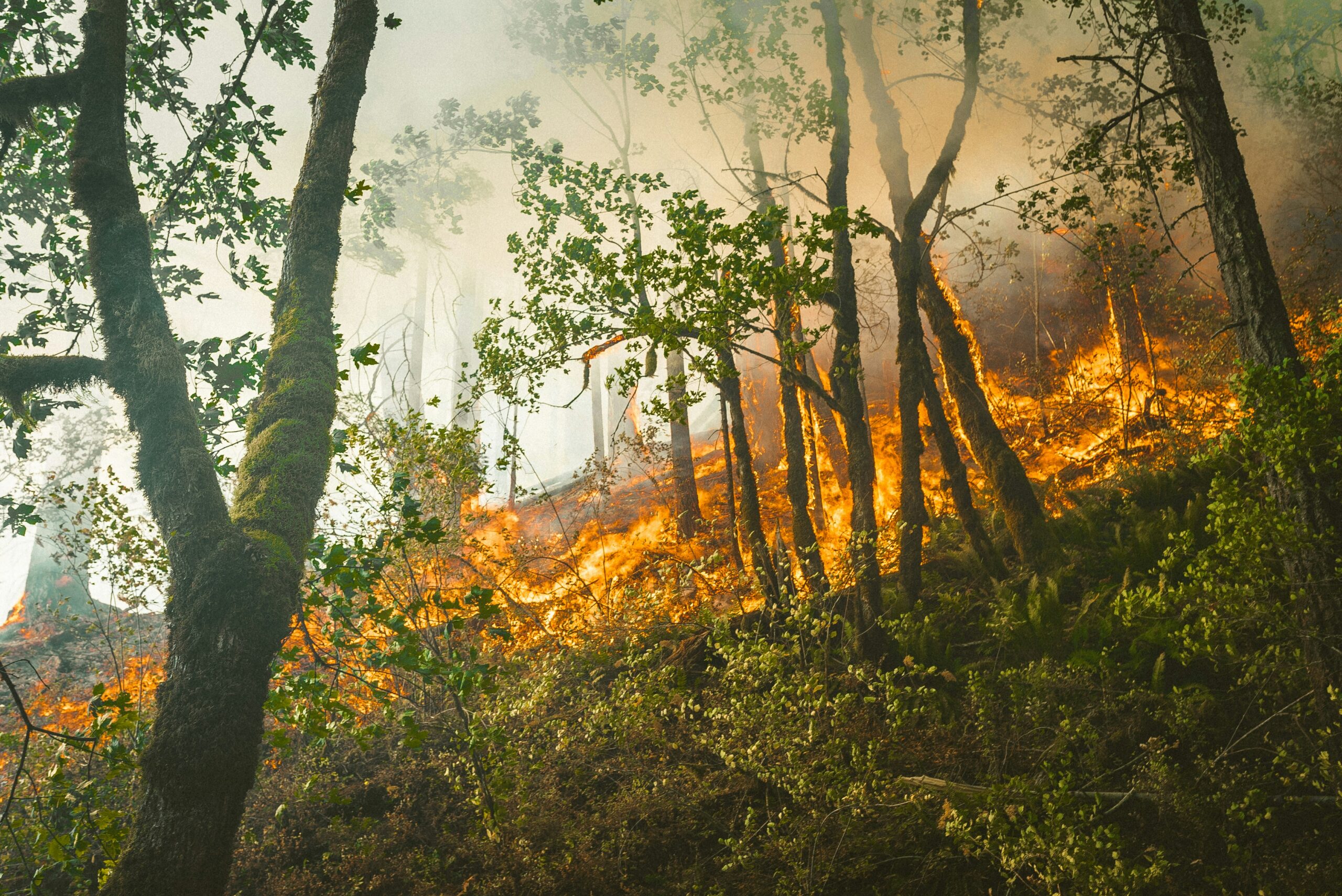
This summer, wildfires dominated the headlines. It seems no corner of the earth has gone unscathed, with firefighters in the U.S. having responded to over 57,087 wildfires that have burned more than 8,559,888 acres of land across the country so far this year.
This amount of land is larger than the state of Maryland – something that Sarah Lackritz, CDP’s Vice President of Brand and Storytelling, put into perspective during our recent webinar focused on the impacts of wildfires in the Pacific Northwest.
To explore how philanthropy can better support equitable, locally led recovery following the 2026 wildfire season, Sarah was joined by three experts:
- Carlene Anders, Executive Director of the Okanogan County Long Term Recovery Group and Executive Director of the Disaster Leadership Team
- Karol Collymore, Senior Director, Sport & Society, Social & Community Impact at Nike, Inc.
- Cari Cullen, CDP’s Program Officer, Domestic Funds
Below are some of the key lessons learned during this conversation.
Funders must ask impacted communities what they need, not just give them whatever we have.
As Karol Collymore stated, “Funding is the most important thing in that immediate aftermath. It is not sending anything else but money in that moment and then hearing your organizations on the ground tell you what they need.”
Even with the best intentions, funders should always look to local leaders for guidance before making assumptions about what an impacted community may need. As Carlene shared from a previous wildfire incident, “We had meaningful people want to really engage and bring Christmas to people, but they didn’t have homes. They brought Christmas stuff to them, and they had nowhere to put it.”
Ill-informed support can prove to be more of a hindrance than a help for community members. Instead, funders should engage with local leaders about what support is needed, and, if funders cannot provide something suitable, they should consider ways they can support more flexibly or engage further down the recovery pipeline.
Prepositioned funding enables nimble response; flexible funding accommodates long and variable recovery timelines.
“Some people are going to be responding while others are recovering, while others are thinking about resilience and preparedness…[People] need different things at different times. [The] strongest approach is a staged approach that provides flexible support to trusted organizations early on and then reserves resources for recovery needs that are going to emerge over time,” said Cari Cullen.
Recovery is almost always a longer and more complex experience than communities expect, with Carlene noting numerous setbacks and delays even in obtaining essentials during previous disaster events. One way that philanthropy can honor communities’ unique experiences is by engaging in flexible giving that can adapt to suit evolving needs.
Karol, for example, notes that Nike, Inc. has “switched over to a pre-positioning model where we fund our partners in the disaster space at the beginning of the fiscal year, so they have that nimble funding [available].”
Funders should also remember that they do not need to do this work alone. As Cari noted, “You can partner with other funders [and] find ways to make long-term recovery less of a marathon, and more of a relay race.”
The most impactful funding often lies outside the spotlight: filling gaps that get less attention, and doing so quietly.
Philanthropy may be moved to act immediately. Cari identifies that the greatest opportunity for philanthropy lies where “we can fund things that are unlikely to receive support from other sources. We can resource needs that may be too localized or are too difficult to find public funding sources from government sources. Philanthropy can fill these gaps in a way other funding can’t, even if it does not come with the kudos.”
Carlene noted that, “Those who are giving and supporting need to understand that the relief phase is…the flashy and the emotional response time. However…the bulk of the work and cost comes later in long-term recovery.”
As we experience an increase in wildfire events, it is becoming increasingly important that philanthropy knows when and how to support impacted communities. Doing so may not always take the shape the philanthropy expects, but as we look to local communities to guide our support, we can reflect on Karol’s quote:
“Our jobs are not to be saviors. Our jobs are to be elevators, so we are not supposed to come in and say…you need this right now. Sometimes, it’s best for us to just do the work and listen.”
View the slide deck and watch the recording of “Funding what comes next: Equitable recovery after record-breaking wildfires” to learn more:
Or contact advising@disasterphilanthropy.org to explore how CDP can help you give with confidence before and after disasters.
Nicol La Cumbre-Gibbs
Education Initiatives Manager