
Preparedness in practice: Announcing the latest CDP disaster preparedness grants
Disaster preparedness is a core component of much of CDP’s grantmaking. Across our funds, grants often help communities not only recover, but strengthen capacity, reduce risk and build resilience before future disasters occur. CDP’s Disaster Preparedness Fund takes this focus a step further by investing in initiatives that help communities proactively prepare for, mitigate and respond to disasters before they happen.
Recent grants from the Disaster Preparedness Fund illustrate the many ways preparedness can take shape in practice. These grants are united by a primary focus on investing in activities that help communities identify risks, strengthen local capacity and reduce vulnerability before disasters occur. These grants highlight the diverse ways preparedness can be advanced through community infrastructure, mutual aid networks, mental health support, resilient livelihoods and locally led partnerships.
From earthquake-affected communities in Afghanistan to neighborhood-based resiliency hubs in Houston, the projects highlighted below demonstrate that preparedness is most effective when it is community-led, connected to recovery, and designed around the people and systems already responding before, during and after disasters.
International grantee partners
Citizens Organization for Advocacy and Resilience (COAR) received $50,000 from the Disaster Preparedness Fund as a part of a $100,000 grant co-funded with the Global Recovery Fund to support earthquake-affected communities in Kunar Province through unconditional cash assistance for widows and women-headed households, cash-for-work opportunities to rehabilitate damaged community infrastructure, and community-based disaster risk reduction. This integrated, locally led initiative will strengthen household resilience, restore essential infrastructure and build community preparedness for future hazards.
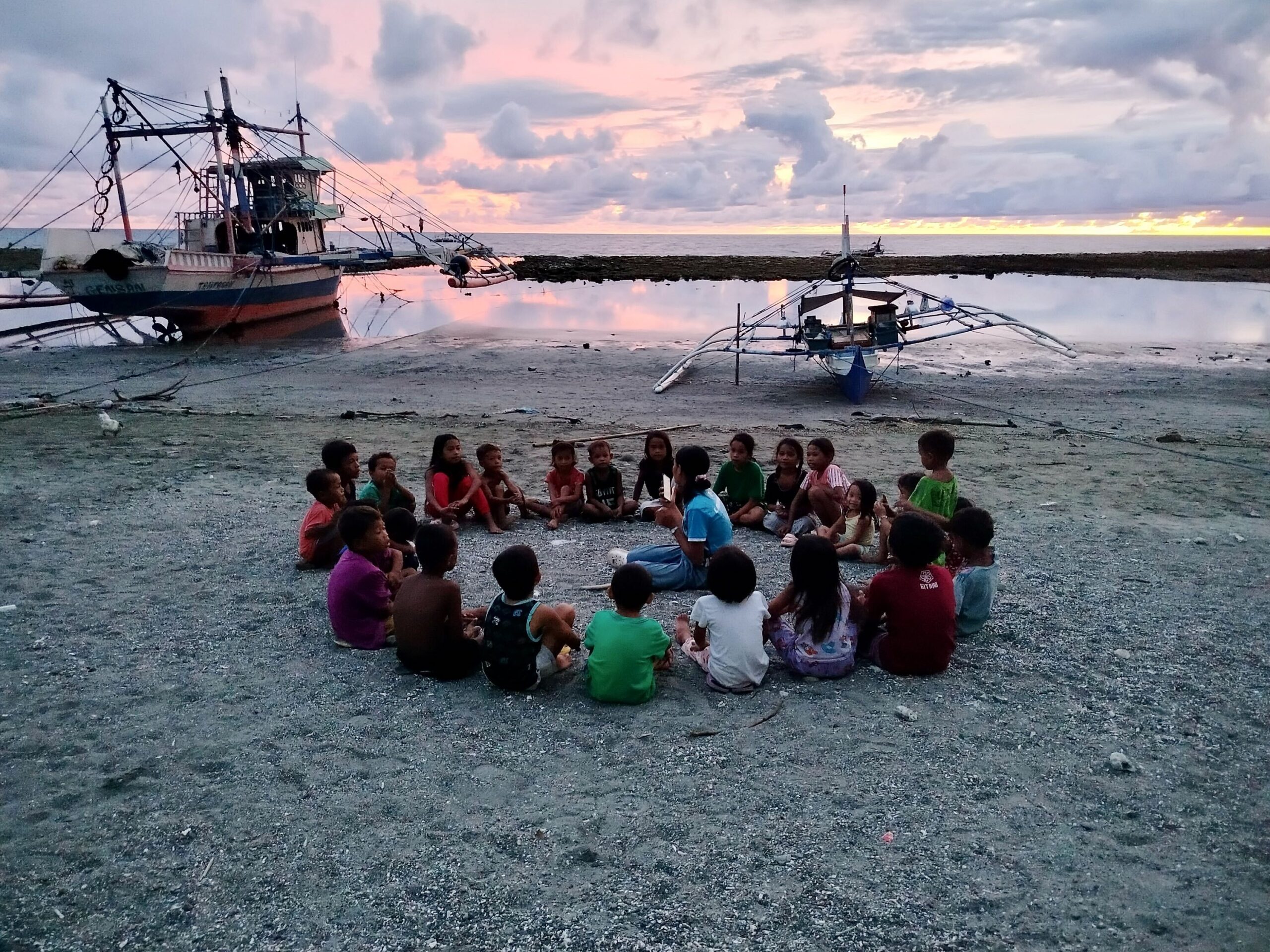
Ecosystems Work for Essential Benefits (ECOWEB) received $20,000 from the Disaster Preparedness Fund as part of a $79,331 grant to support community-led recovery in disaster-affected areas of Cebu and Iligan City, Philippines by strengthening locally led recovery systems, facilitating safer shelter and resettlement planning, and providing micro-grants for livelihood restoration and community priorities. This project will accelerate livelihood recovery and strengthen community-driven, risk–informed recovery systems for vulnerable and displaced populations.
Mutual Aid Disaster Relief (MADR) received $30,000 to support community-led disaster preparedness, response and recovery in the Philippines through its partnership with MADR-SAR, strengthening organizational capacity, implementing the Resilient Communities (RESCOM) program, and enabling search-and-rescue and relief operations. This initiative will build local disaster response systems, expand community preparedness, and support timely, locally driven recovery in vulnerable coastal and urban communities.
Global grantee partner
PreAct, a program of the Icahn School of Medicine at Mount Sinai, received $100,000 to strengthen disaster mental health preparedness and response capacity in communities vulnerable to disasters in Tennessee, Colorado, Pakistan and Mexico through a community-informed, capacity-building approach.
US grantee partners
United Way of Greater Nashville received $75,000 from the Disaster Preparedness Fund as part of a $150,000 grant with CDP’s Disaster Recovery Fund to support ice storm recovery through volunteer coordination and to increase community preparedness throughout the eight-county United Way of Greater Nashville service area. The initiative will foster coordination, provide training and exercises for disaster readiness across the region.
West Street Recovery received $99,712 to support their Hub House School for Community Disaster Preparedness, a program that equips community-based organizations throughout the Greater Houston Metro Area to establish home-based resiliency hubs that can serve as evacuation, electricity, resource and distribution centers, and to train and certify neighborhood captains to act as leaders when disasters strike.
Looking ahead
As disasters become more frequent, severe and complex, the need for sustained investment in preparedness continues to grow. Funders can play a critical role by supporting locally led organizations before disasters occur, investing in the systems and relationships that help communities act quickly, and prioritizing resilience for those most likely to be affected.
Learn more about CDP’s Disaster Preparedness Fund and consider how your giving can help communities reduce risk, strengthen readiness and recover more equitably when disasters happen.
Cari Cullen
Program Officer, Domestic Funds
Tracy O’Heir
Program Officer, International Funds