
A shift in disaster giving may be underway. Here’s how you can be a part of it.
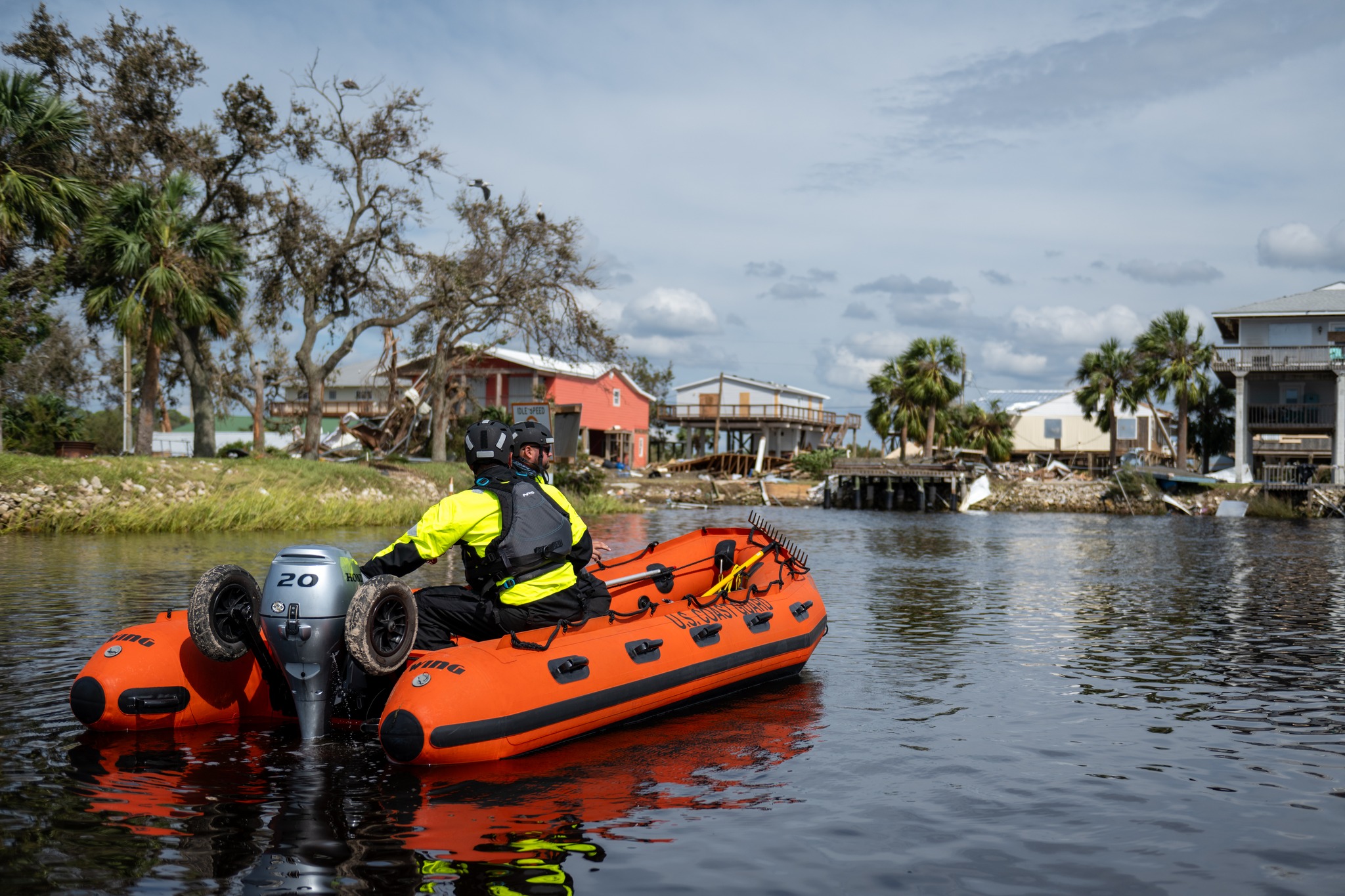
Disasters affect the communities and causes that we care about.
Yet in 2024, for every $100 in philanthropic support, less than $1 went to disasters. That is $1.2 billion, or 0.9% of the $128.9 billion in philanthropic giving tracked by Candid, according to our new State of Disaster Philanthropy 2026 report we released today.
As climate change intensifies disasters and communities brace for the peak impacts of Super El Nino, the gap in disaster giving is widening.
“A giving pattern of less than 1% for disasters is insufficient to meet increasing needs amid high disaster risk, persistent vulnerability and the layering of crises.” – State of Disaster Philanthropy 2026
However, we also found encouraging signs that some donors are changing how they fund disasters. We have an urgent opportunity to close the gap between growing disaster needs and the share of philanthropic dollars devoted to addressing them.
How did philanthropy respond to disasters in 2024?
Funders gave more to preparedness in 2024 as compared to a year earlier, but just over half of the dollars given toward disasters still went to emergency response.
This disaster giving came in a year marked by major humanitarian emergencies in Ukraine and Sudan, deadly heatwaves in Asia, catastrophic flooding and storms like Hurricane Helene and Super Typhoon Yagi.
According to Candid’s data, the share of disaster giving devoted to preparedness – the critical and high-return investments helping people and communities get ready before disaster strikes – jumped nearly sixfold in a single year, from 1.9% in 2023 to 11.3% in 2024. Philanthropic leaders interviewed also expressed interest in recovery and preparedness.
However, with response and relief still receiving 50.4% of total disaster giving, philanthropy spent more than four times as much responding to disasters than helping communities prepare for them.
Other key findings from the report include:
- A record high in disaster philanthropy for the largest U.S. Foundations. Among the largest 1,000 U.S. community, corporate, independent and operating foundations (i.e., Candid’s Foundation 1000), 313 gave at least $10,000 toward disasters in 2024, an increase from an average of 211 between 2014-2019.
- Family foundations led the way. In addition to accounting for nearly one-third of total disaster giving, family foundations also provided $9 out of every $10 that went toward support for complex humanitarian emergencies.
- Investment in rebuilding declined. The proportion of total disaster giving that went toward reconstruction and recovery declined to 8.8%, compared to 12.7% in 2023.
- Funders are leaning on each other. More than a dozen philanthropy leaders described working with other funders through networks, coalitions, alliances, pooled funds and other collaborative approaches.
“Emergency relief saves lives, but it doesn’t rebuild homes, reopen schools or restore a community’s access to health care. Investing in disaster preparedness makes the difference between a temporary setback and years of recovery. Donors must invest before disasters strike and stay for the long road, so communities can break the cycle of crisis to truly recover and thrive.” – Patricia McIlreavy, President & CEO, CDP
What can funders do to effectively help communities prepare for and recover from disasters?
First, start with the question: “How do disasters touch or risk disrupting what we already fund?” Then consider these three practical next steps:
- Use monetary and non-monetary resources. From flexible funding to building trusted relationships with stakeholders before and after a disaster, funders have many tools at their disposal to maximize impact.
- Invest in collaboration. Working together with other donors can improve outcomes and accelerate response and recovery efforts.
- Support recovery and preparedness. Join other donors in boosting preparedness and addressing root causes of vulnerabilities to strengthen resilience before and after disasters.
Communities will face the next disaster. We can help shape how ready these communities are when it arrives and how they rebuild stronger.
Are you ready to increase the impact of your disaster giving?
Read the State of Disaster Philanthropy 2026 report to explore the trends and insights behind these findings, then put them to work.
Contact our team to help you find ways to ensure your giving is reaching people and communities most at risk before, during and after disasters.