CDP announces $4.2 million in grants from the Truist Foundation Western North Carolina Recovery and Resiliency Fund
As recovery from Hurricane Helene continues across the mountain communities of Western North Carolina, so does CDP’s grantmaking in support of organizations pursuing equitable, locally led outcomes for survivors.
In January 2025, CDP announced the launch of the Truist Foundation Western North Carolina Recovery and Resiliency Fund (the Fund), a partnership with Truist Foundation that is part of a $725 million commitment from Truist and Truist Foundation called Truist Cares for Western North Carolina. Through the fund, we’re addressing medium- and long-term needs to help strengthen the region’s housing and small businesses. Our grantmaking is guided by our assessment of damages, systemic marginalization, community capacity and unmet needs to support the area’s equitable recovery.
In June 2025, we announced $3.3 million in grants to four organizations actively leading recovery efforts. And in September 2025, we announced another $6.8 million to 15 local organizations advancing recovery across the program areas.
Now, we’re pleased to announce a third round of grants from the Fund, bringing our total grants to date to $14,294,074. Learn about our 17 newest grantee partners:
- All Hands and Hearts received $100,00 for its Resilient Hurricane Repair Program in Western North Carolina. The funding will support housing recovery by supporting direct home repair work in rural communities across several counties.
- Appalachia Service Project received $300,000 for its Western North Carolina Helene Housing Recovery Program in Mitchell, Avery and Yancey Counties. The funding will support the construction of housing to foster long-term housing security, equity and stability across the region’s most impacted communities.
- Asheville Buncombe Community Land Trust received $345,000 for its Swannanoa Mobile Home Park Project. The funding will address long-term recovery housing needs through the establishment of a new mobile home park in Swannanoa, NC.
- Carolina Small Business Development Fund received $300,000 for the Western Women’s Small Business Center in support of the Helene Relief and Recovery Program, which provides services for small business recovery across multiple Western North Carolina counties.
- Center for Community Self-Help received $250,000 for its Self-Help Western North Carolina Affordable Housing and Recovery Initiative, in support of families impacted by Hurricane Helene. The grant provides down payment subsidies and financial risk mitigation to allow low-to-moderate-income borrowers to access affordable homes in Avery, Buncombe, Burke, Cherokee, Clay, Graham, Haywood, Henderson, Jackson, Macon, Madison, McDowell, Mitchell, Polk, Rutherford, Swain, Transylvania, and Yancey counties and the Qualla Boundary.
- Community Organized Relief Effort (CORE) received $428,949 for its WNC Home Rebuild Program for survivors of Hurricane Helene. The funding will support direct repairs, rebuilds and mitigation of mobile homes in rural communities in Buncombe, Henderson, Transylvania and Haywood Counties in Western North Carolina.
- Co-Operate WNC received $170,000 to support cooperative bulk purchase programming, aiming to increase resiliency and long-term recovery for farmers, small farms and food businesses in Buncombe, Madison, McDowell, Rutherford, Jackson, Yancey, Henderson, Watauga, Polk and Mitchell counties.
- Divine Disaster Relief received $115,000 to support housing recovery in rural communities in McDowell, Buncombe, Yancey, Burke, Henderson and Mitchell counties. The funding will support long-term recovery, combining technical housing interventions with holistic case management.
- Footprint Project received $100,000 in support of its Powering Resilience project, which provides assistance for obtaining sustainable energy sources to survivors living in RVs, tiny homes and other non-traditional homes without grid access in Buncombe, Mitchell, McDowell, Henderson, Madison, Yancey and Avery counties. Funds will also increase year-round capacity for Footprint Project’s case management services across rural Western North Carolina.
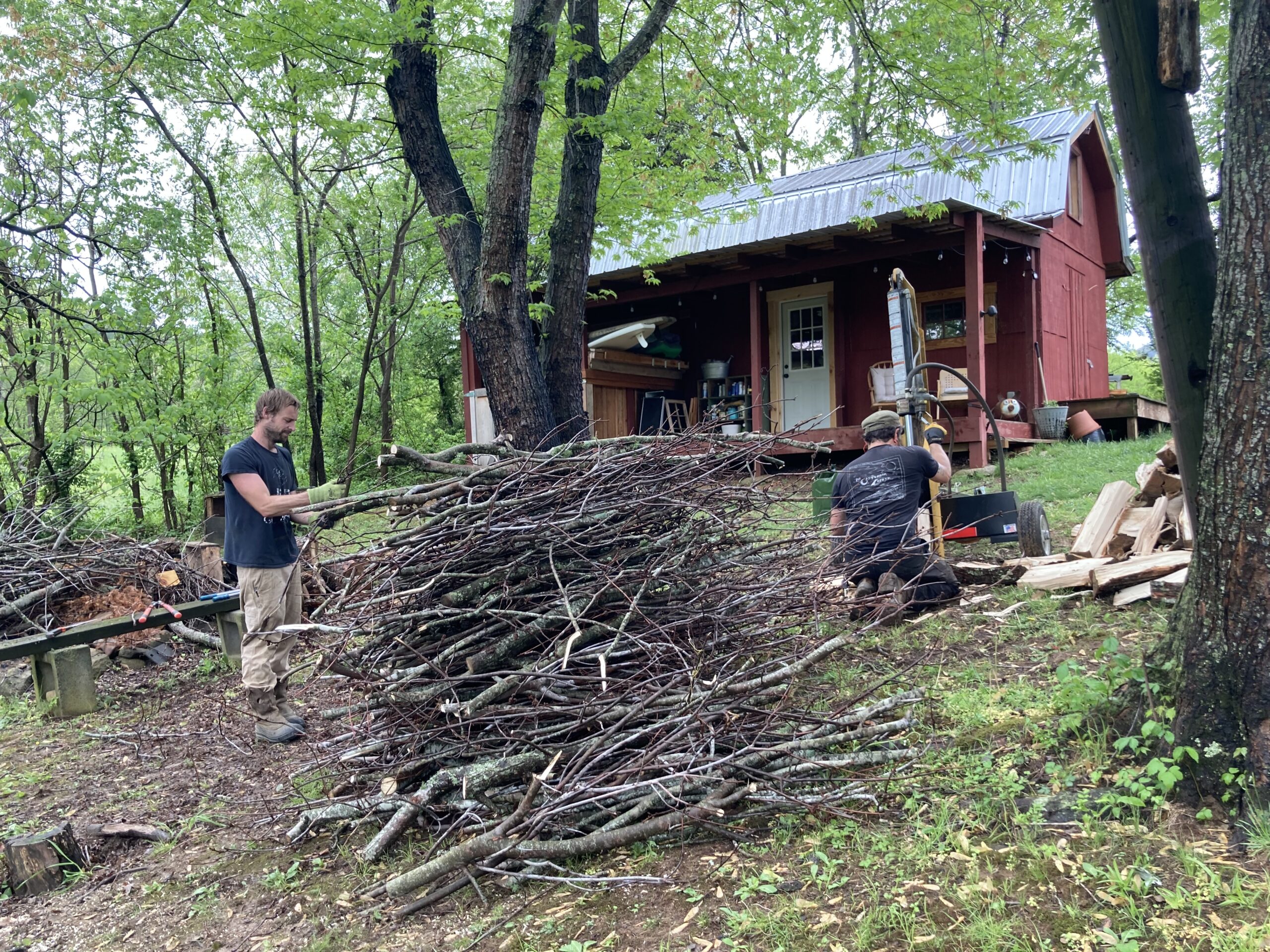
- Mountain Valleys Resource Conservation and Development Council was awarded $126,500 for its Wildfire Mitigation for Communities with Compounded Fuel Load Post-Helene initiative, which aims to increase resilience by removing woody hurricane debris and reducing fire risk to homes in rural communities in Madison, McDowell, Polk, Buncombe, Henderson, Transylvania, Rutherford and Cleveland counties.
- Rebuild Hot Springs Area received $390,000 for its Residential Rebuilding and Resiliency initiative. The funding will support direct repairs, rebuilding and mitigation work on homes in rural communities in the Madison County community of Hot Springs.
- SBP received $110,000 for the Rebuild and Fortification Housing Recovery Program, part of the organization’s Western North Carolina’s Resilient Recovery: Hyper-Local Capacity & Community-Driven Partnerships Program. This grant supports the embedding of an SBP Resilience Fellow within a longstanding local housing recovery group, thereby adding capacity for direct repairs and wraparound services to enhance household-level resilience and recovery. The SBP Resilience Fellow’s work will span communities in Henderson, Transylvania and Polk counties.
- The Housing Assistance Corporation received $300,000 for its Disaster Home Repair and Rebuild Program, ensuring housing recovery through repairs and wraparound case management services in the rural communities it serves in Henderson, Polk and Transylvania counties.
- The Mediation and Restorative Justice Center received $100,000 to repair the hurricane-damaged Homestead Recovery Center and to implement innovative, peer-led, collaborative mental health programs for justice-impacted survivors of Hurricane Helene in Watauga and Avery counties.
- Vecinos received $300,000 for the Western NC Community Resiliency Initiative, helping to transform the existing Community Health Hub into a Resiliency Hub serving households and small businesses in Cherokee, Clay, Graham, Haywood, Jackson, Macon and Swain counties. The project addresses gaps by linking health access directly to disaster readiness and recovery support access.
- Western North Carolina Conference of the United Methodist Church received $500,000 for housing recovery in Western North Carolina. The funding will support case management, construction and volunteer engagement in Avery, Mitchell, Yancey, McDowell, Buncombe, Haywood, Henderson, Madison, McDowell, Ashe and Watauga counties.
- WNC Food Systems Coalition received $300,000 for its Small Business Resilience for Food Security, Health in Rural Communities project, which supports small farm businesses and rural communities in Madison, Yancey, Mitchell, Avery and Rutherford counties.
CDP will provide support beyond the check to grantee partners throughout their grant periods as they pursue equitable recovery throughout Western North Carolina. We greatly appreciate the opportunity afforded to us by Truist Foundation to engage deeply with Western North Carolina communities and to provide resources for trusted organizations to continue their important, needed work.

Laura Lynn Taylor
Domestic Funds Program Manager