
Ebola in DRC and Uganda: What funders should know
The International Rescue Committee (IRC) warns that the current outbreak of Ebola could become “the deadliest on record” without urgent international action.
The outbreak began in Ituri Province of the Democratic Republic of Congo (DRC), which borders South Sudan and Uganda. As of May 26, there are at least 220 recorded deaths from the virus, and 900 suspected cases. The number of cases is likely far higher. Officials predict this outbreak will eclipse the 2018 outbreak in both fatality and case counts, partly because there is no vaccine or treatment for the rare Bundibugyo strain of the virus responsible for the current outbreak.
Major funding cuts in 2025 reduced health, surveillance and outbreak preparedness measures from five to two areas of Ituri Province. This reduction potentially contributed to the rapid spread of the outbreak which went undetected for weeks.
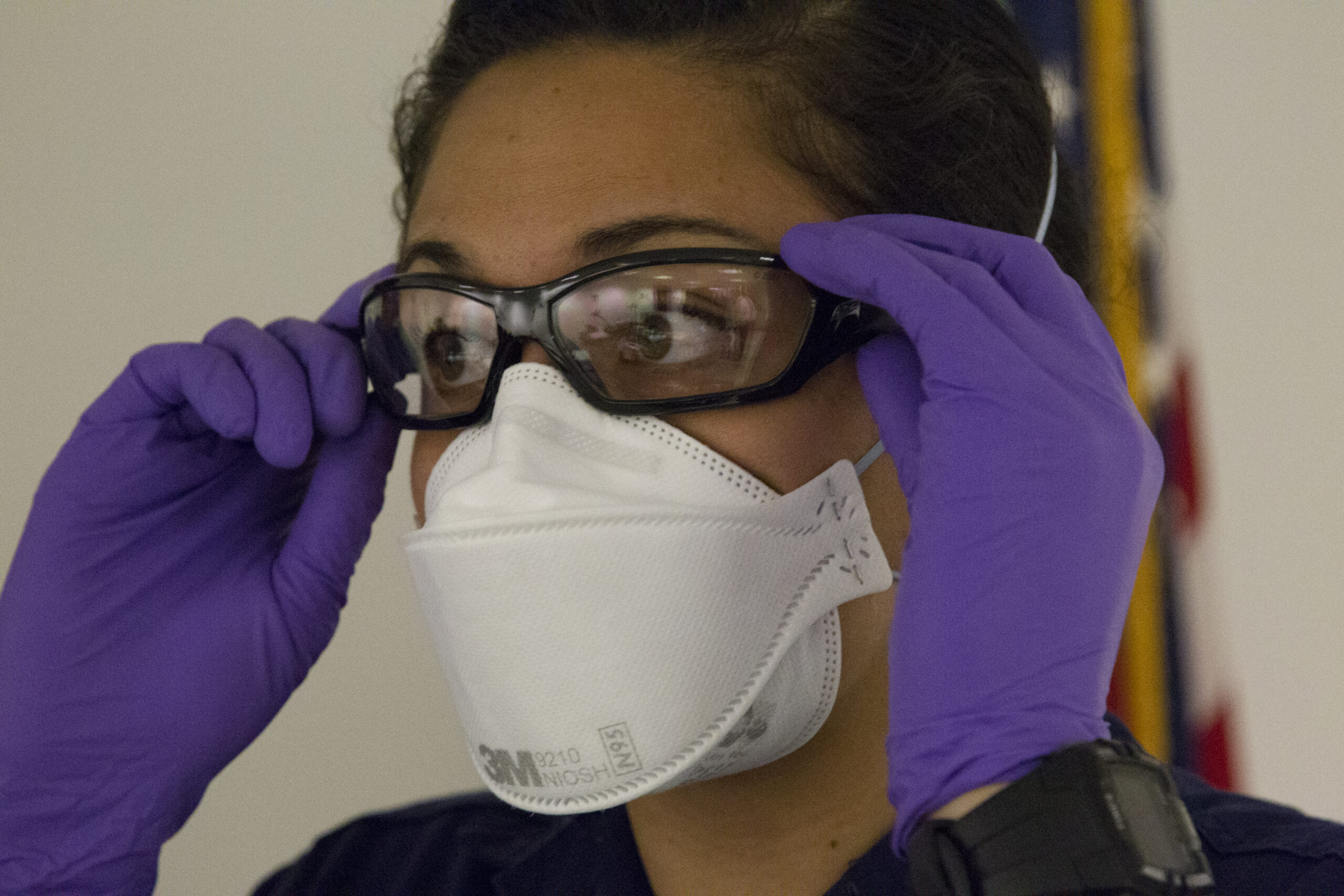
Ebola spreads through touch, and health workers do not have enough PPE to help reduce transmission. Doctors, nurses and other medical staff are contracting the virus, further diminishing the personnel needed to contain the outbreak and increasing the risks to people seeking health care.
The current Ebola outbreak highlights the critical importance of disease monitoring and tracing, engagement with communities to build understanding of risks and how to change behaviors to reduce transmission, and the availability of well-resourced health facilities, especially in places experiencing complex humanitarian emergencies with large numbers of displaced people.
How can funders help right now?
Give flexible support. In a fast-moving outbreak, needs change quickly. Organizations responding in DRC, Uganda and the surrounding region need resources they can use as conditions evolve, whether that means supporting health workers, reaching communities with trusted information, moving supplies, strengthening infection prevention and control, or helping families affected by illness, isolation and loss.
Support local and proximate responders, directly where possible and through trusted partners where needed. Those closest to the crisis are often best positioned to understand community concerns, build trust and adapt response efforts to local realities. In complex outbreaks, donors should prioritize organizations with existing relationships, contextual knowledge and the ability to move safely and responsibly.
Invest beyond the immediate emergency. Ebola response is not only about stopping transmission today. It is also about strengthening the systems that help communities prepare for, withstand and recover from future outbreaks. Donors should ask whether their disaster giving supports the full arc of crisis, before, during and after the emergency.
Join CDP’s effort to support the recovery through our Global Recovery Fund.

Gina DeLuca
Content Development Associate