How to help people in Sri Lanka after Cyclone Ditwah
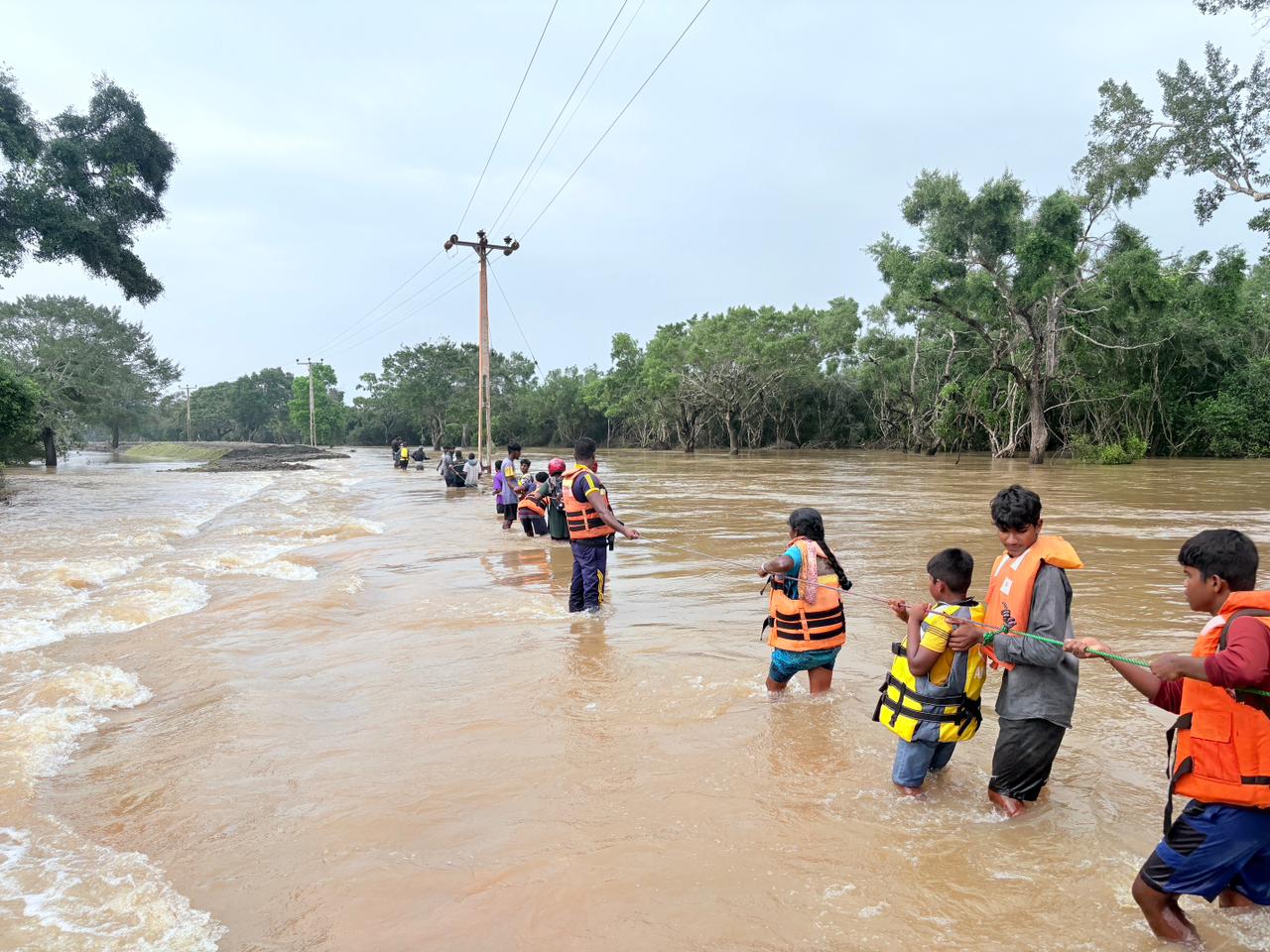
Sri Lanka has been hit by its worst disaster since the 2004 tsunami. The country is struggling to recover after Cyclone Ditwah brushed the coast in late November, causing massive flooding and landslides. The storm hit during the north-east monsoon season, resulting in an increased volume of rain. The Kelani River burst its banks, resulting in increased flooding in low-lying areas and necessitating additional evacuations.
Sri Lanka’s president described it as the “most challenging” disaster in the island nation’s history. By Dec. 1, 355 people had died, and at least 360 were still missing. One million people have been affected (representing almost 320,000 families), at least 25,000 homes have been destroyed, and more than 200,000 people are staying in government-run shelters.
The Union of Catholic Asian News said, “More than 12,000 flood victims in Negombo have sought shelter in churches, mosques, and Buddhist temples.”
Recovery needs
We recognize that there will be a number of needs in the next several years. The cyclone is likely to have a very adverse effect on the health system, which was already not functioning well. Floods also tend to increase the spread of water-borne diseases.
Similarly, there is likely to be an increase in food insecurity. Flooding has affected supply routes, flooded farmlands and submerged storage facilities.
As we saw with Hurricane Melissa recently in Jamaica and Haiti, post-disaster needs on islands are different from those in mainland communities. Islands also have a higher cost to rebuild than mainland communities, as everything must be shipped in.
Anura Dissanayake, President of Sri Lanka
“Looking ahead, we must face the immense task of reconstruction and recovery. The estimated scale of destruction is severe. Yet, the people of our country, resilient after floods, storms, or any calamity, have shown remarkable perseverance.”
How to help
The Sri Lankan government has requested Sri Lankans living abroad to donate funds.
Remittances are likely to play a crucial role in facilitating recovery, with nearly 7% of Sri Lanka’s GDP coming from remittances in 2024. While they have increased in recent months, it will not be enough. Funding from other countries and philanthropy will be critical.
At CDP, we always recommend monetary donations to organizations responding to disasters. This allows on-the-ground agencies to direct funding toward the most significant areas of need, support economic recovery and quickly re-establish access to necessities. Through our expertise, we’re able to identify local and national actors who are addressing issues of the highest concern.
We encourage funders to contribute to our pooled fund, which focuses on recovery, allowing us to respond to changing priorities and issues. Join us in supporting Sri Lanka’s recovery through our Global Recovery Fund by selecting “2025 Sri Lanka Cyclone” from the dropdown menu.

Tanya Gulliver-Garcia
Director, Educational Impact