
What we’re watching: Weekly disaster update, December 15
Here’s what we’re watching for the week of Dec. 15, 2025.
New or Emerging Disasters
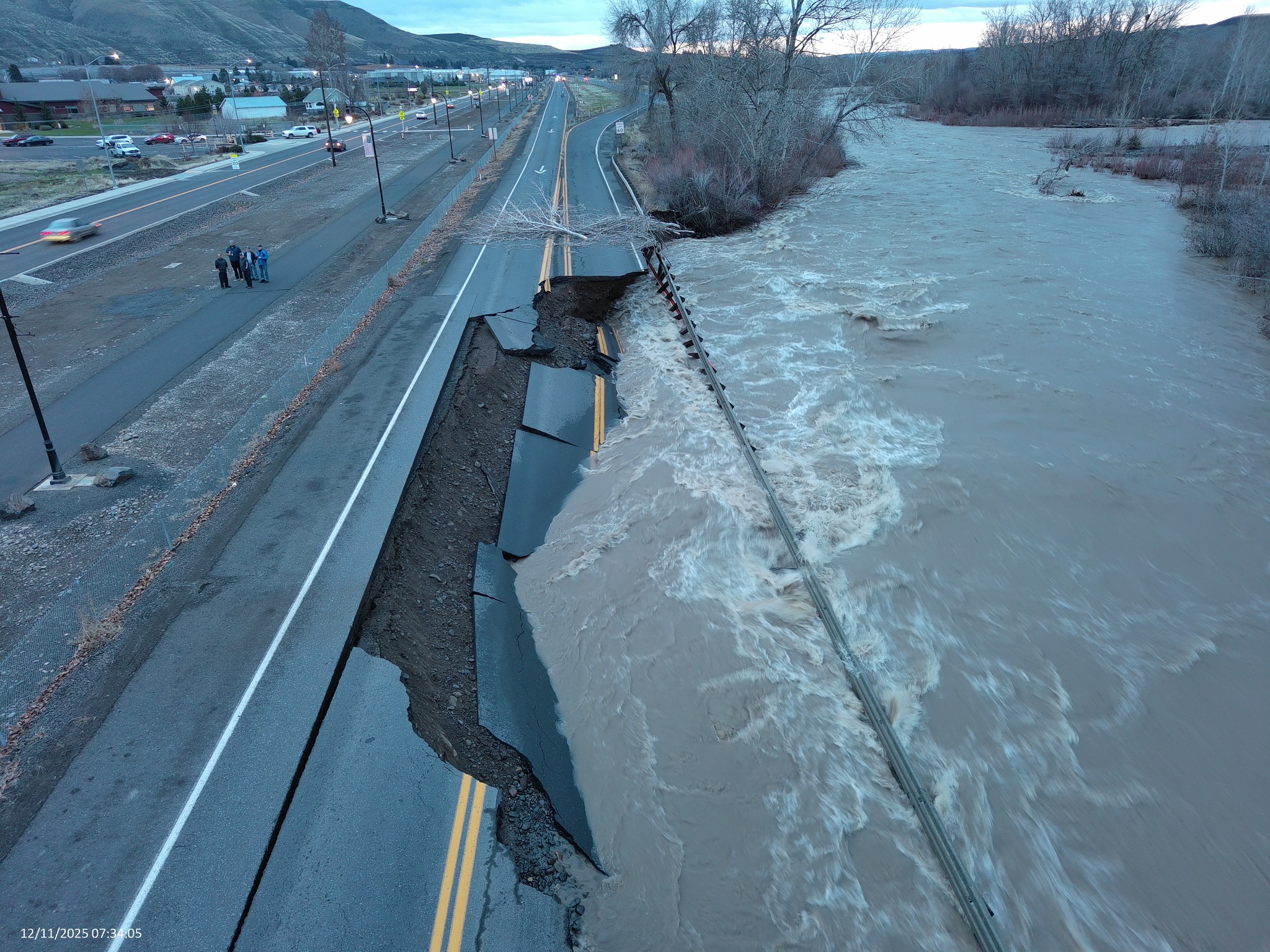
Flooding – Pacific Northwest: At least 100,000 people in Washington state were ordered to evacuate as an atmospheric river caused torrential rains, flooding and landslides on Dec. 11. In some areas, floodwater rose 15 feet, and many people required rescue from their homes or cars.
In Seattle, 12-16 inches of rain fell in 72 hours. No casualties have been reported. More rain is expected later this week.
Flooding – Morocco: About 37 people died in flash floods caused by torrential rains in Morocco that struck Safi, a city about 200 miles south of the capital, Rabat. Dozens of people have been injured, and at least 70 homes have been destroyed. More rain is expected on Dec. 16.
Flooding – Iraq: At least two people died in the Kurdistan region of Iraq last week when heavy rain caused massive flooding. About 500 homes and 100 businesses were damaged or destroyed in the floods, and at least 12 people were injured.
Despite recent investments to improve infrastructure and public services, drainage systems and sewage networks are still unable to accommodate intense rainfall.
Previous/Ongoing Disasters
Winter Storm Byron – Gaza: On Thursday, Dec. 11, heavy rains amid frigid temperatures flooded tent encampments in Gaza and turned the ground to mud. At least 12 people died in the storm, with several children dying from exposure.
The storm has made the humanitarian crisis even more dangerous for the 850,000 people living in tents. Flooding soaked mattresses, blankets and tents, leaving many families, including children, with nowhere dry and warm to sleep. Illness is rising in the tent encampments. Without fuel, people are forced to burn plastic and other materials to keep warm, releasing toxic chemicals into the air.
Complex Humanitarian Emergencies – The Sahel Region
When a country experiences political conflict, climate shocks, famine, economic challenges or other conditions, it may suffer a complex humanitarian emergency (CHE). CDP maintains complete profiles on several CHEs. Every week, we highlight these and other CHEs, hoping to build awareness and increase philanthropic response.
We are currently focusing our CHE updates on violence against women and girls (VAWG). Politics and political conflicts are often acted upon the bodies of women and girls. This crisis of violence often looks similar around the world, even though the cultural and political contexts might be different. VAWG notoriously receives very little funding, despite being a pervasive and urgent problem.
Displacement has become one of the only means of survival for people in much of the Sahel. Driven by armed conflict, climate shocks, competition for resources, organized crime and a lack of state presence, the Sahel has one of the highest rates of displacement in the world. As internally displaced people (IDPs), women and girls are exposed to numerous risks in a region that already ranks among the lowest in the world for gender development.
Key facts:
- About 51% of global terrorism deaths in 2024 occurred in the Sahel.
- According to a UN press release, “Abduction is not a by-product of terrorism in the Sahel, it is a tactic.” In Burkina Faso alone, the number of women and girls abducted rose by over 218% in 2024.
- When girls are forced out of school, they become vulnerable to child marriage, trafficking and prostitution.
- More than one million girls in Niger, Mali and Burkina Faso are out of school because of terrorist attacks or threats.
- Mali, Niger, Chad and Burkina Faso rank among the highest globally in child marriage rates. About 89% of girls in Niger are married before the age of 18.
- About 90% of women in Mali undergo female genital mutilation, as well as 76% of women in Burkina Faso.
- Women who are displaced are also vulnerable to negative coping mechanisms, such as survival sex, making them vulnerable to more violence, poverty, disease, imprisonment and unwanted pregnancy.
- Global inflation and debt are pushing gender equality out of budgets. Funding for women, peace and security is often the first to be cut.
According to UN Women, “The Sahel is ‘where the world’s gravest concerns converge’ — terrorism, coups, environmental collapse, poverty, hunger, dwindling development financing, shrinking humanitarian access and a declining UN presence on the ground.”
What We’re Reading
- 6 myths about rural America: How conventional wisdom gets it wrong – The Conversation
- Derailed – Rising Attacks and Retreating Resources for Racial Justice – Philanthropy Initiative for Racial Equity
- Opinion: Bill Gates Is Wrong: This Is No Time to Back Down on Climate – The Chronicle of Philanthropy
A moment of hope… A new report from the Energy and Climate Intelligence Unit (ECIU) found that while global CO₂ emissions are still rising, a growing number of countries are successfully decoupling economic growth from emissions, meaning their economies expand while emissions fall. This contradicts the common idea that reducing emissions means sacrificing economic growth.
Since the Paris Agreement, 43 countries have achieved total decoupling, and 40 have achieved relative decoupling, showing clear momentum toward structural emission reductions and progress toward net zero.

Gina DeLuca
Content Development Associate